Rhode Island Post-Winter Gutter Damage: Repair or Replace?
After Rhode Island winters, repair minor gutter damage under 20 years old; replace systems with widespread damage or repeated leaks.
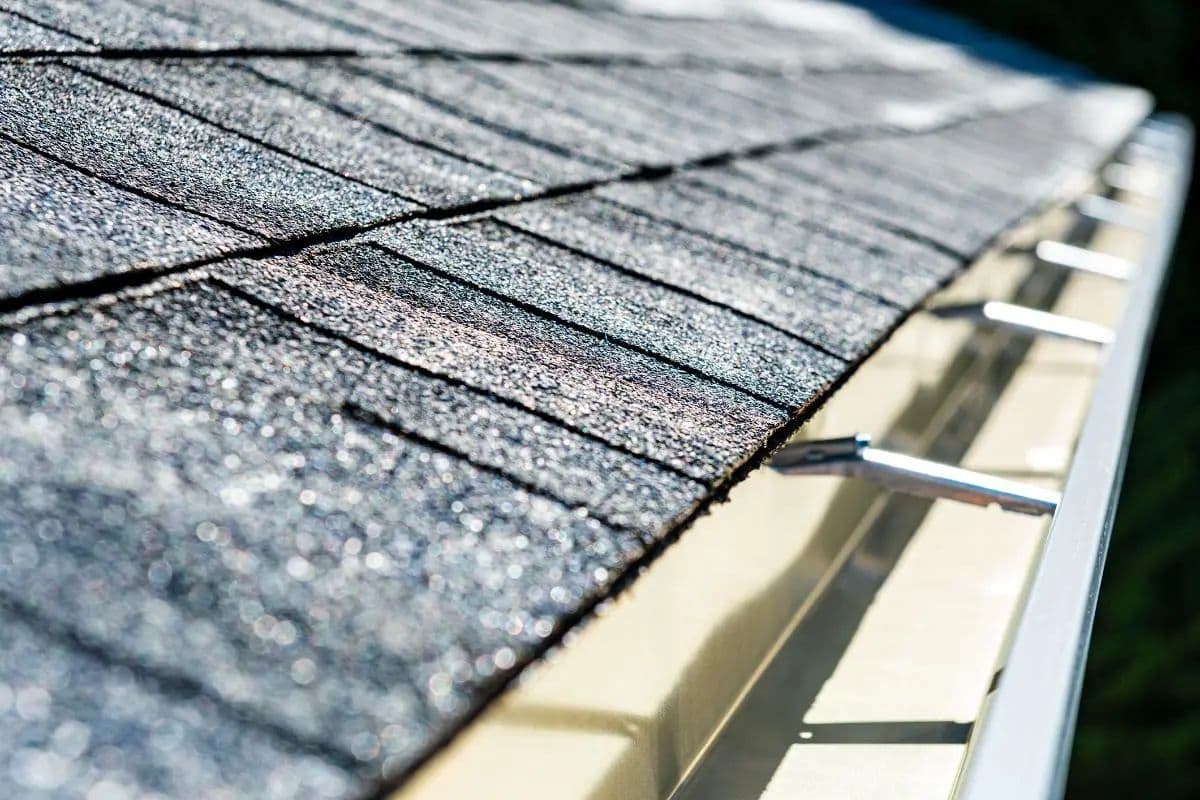
Rhode Island winters can wreak havoc on your gutters. Freeze-thaw cycles, heavy snow, and ice dams often cause cracks, sagging, leaks, and even foundation issues. So, should you repair or replace your gutters after winter? Here's the quick answer:
- Repair if the damage is minor, isolated, and your gutters are under 20 years old. Costs typically range from $75–$650.
- Replace if the damage is widespread, repairs exceed 50% of replacement costs, or your system is nearing or over 20 years old. Replacement costs start around $600–$1,500+.
Inspect for signs like sagging sections, cracks, leaks, or gaps between gutters and fascia. Addressing these issues early can save you from costly repairs down the road. For severe damage or multi-story homes, hiring professionals may be the safest option. Don't wait - check your gutters now to protect your home from future problems.
Types of Winter Gutter Damage
Cracks, Leaks, and Sagging Sections
Hairline cracks might seem small, but they can spell big trouble. During winter, the freeze-thaw cycle pushes water into these tiny cracks, gradually widening them. Over time, this process weakens the metal, turning minor flaws into full-blown leaks. Pay close attention to seams and corners - these areas are usually the first to fail.
Sagging gutters are another red flag. When heavy snow and ice weigh down your gutters, the proper slope can shift, causing water to pool rather than flow toward the downspouts. You can test this easily: run a garden hose through the system. If water collects instead of draining, the slope is likely compromised.
"When spring comes around, signs to look for that your gutters need replacing include if they're warped or pulling away from the home, aren't draining properly, or debris is getting stuck in them." - Chris Counahan, President at Leaf Filter
Gaps between gutters and fascia boards are a more serious issue. These gaps often appear when fasteners loosen under the strain of ice and snow, causing the gutters to pull away from the roofline. If you notice daylight shining through where the gutter meets the house, it’s a sign of significant structural problems.
Loose Fasteners and Fascia Damage
Winter can also wreak havoc on gutter fasteners and fascia boards. Gutter spikes and hangers take on a lot of stress from the weight of snow and ice. Over time, this strain can cause hangers to bend or spikes to work loose from the fascia board. Walk around your home and inspect the system - if you can wiggle a section by hand, the fasteners are likely failing.
Fascia board damage is another consequence of winter wear and tear. Water that leaks behind the gutters can soak into the fascia, leading to rot. Look for soft spots, discoloration, or peeling paint on the fascia boards. Dark stains or mold growth are clear indicators of prolonged water exposure. While gutters typically last about 20 years, severe fascia damage could mean you’ll need repairs or replacements sooner.
Next, you’ll want to check for signs of ice dams and their potential impact on your home’s interior and foundation.
Signs of Ice Dams and Overflow
Ice-related damage doesn’t just affect your gutters - it can seep into your home and even impact your foundation. Interior water stains are a common sign of past ice dams. Check your attic for dark spots on the underside of the roof deck, damaged insulation, or mold. Ice dams can force water under shingles, leading to discoloration or peeling paint on ceilings and walls near the roofline.
"Ice dams can create leaks that you don't even notice until the snow melts." - Chris Counahan, President at Leaf Filter
Foundation issues can also stem from gutter overflow. Walk around your home’s perimeter and look for signs like eroded soil, patterns in the mulch resembling a "waterfall", or cracks in the foundation. When gutters fail to divert water properly, pooling water can freeze and expand, potentially causing foundation cracks. Alarmingly, about 27% of homeowners don’t inspect their gutters until visible problems arise, making early detection key to avoiding expensive repairs.
Excessive icicles hanging from your gutters are another sign of trouble. They often indicate blocked downspouts, where water backup from ice dams prevents proper drainage. Ice dams form when melting snow refreezes at the roof’s edge, creating a solid ridge that blocks water flow. Check downspouts for ice blockages - frozen water inside can create enough pressure to crack or sag the metal.
sbb-itb-634c8b2
Clogged Gutters caused Ice Damage, Has this happened to your gutters?
How to Decide Between Repair and Replacement
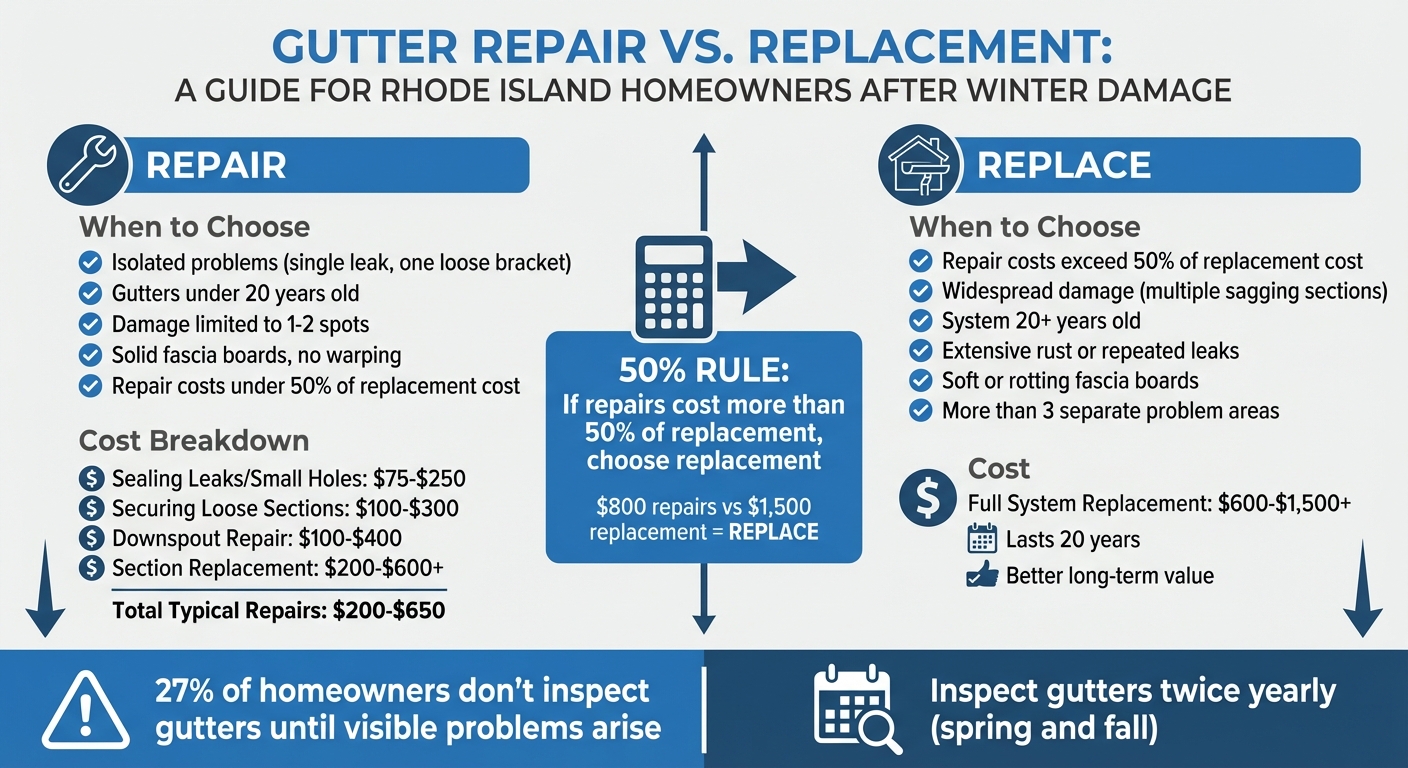
Rhode Island Gutter Repair vs Replacement Cost Comparison Guide
When to Repair Your Gutters
If your gutters are dealing with isolated problems, repair is often the way to go. Issues like a single leak, one loose bracket, or minor overflow caused by debris can usually be fixed without much hassle. For example, sealing small cracks or holes typically costs between $75 and $250, while securing or replacing loose sections can range from $100 to $300.
Age plays a role, but it’s not the only thing to consider. If your gutters are under 20 years old and the damage is limited to just a couple of spots, repairing them is generally the better option. While you’re at it, check the fascia boards - if the wood is still solid and the gutters aren’t warped, a repair should suffice.
"What starts as a small repair can become a much larger and more expensive project if left unchecked." - Newhaus Roofing
The material of your gutters can also influence your decision. Aluminum gutters, for instance, are often cheaper to repair compared to materials like steel or copper. However, if the damage is more extensive, it’s worth considering whether replacement might be the smarter choice.
When to Replace Your Gutters
A good rule of thumb is the 50% rule: if the cost of repairs exceeds half the price of a full replacement, it’s time to upgrade your system. For example, if repairs would cost $800 and a new system is $1,500, replacement is the more cost-effective choice.
Widespread damage is another clear sign replacement is necessary. If you’re dealing with multiple sagging sections, extensive rust, repeated leaks, or visible separation at the joints, the structural integrity of your gutters is likely compromised. Similarly, if you find yourself repairing more than three separate sections or addressing recurring leaks in the same areas, it’s time to consider a new system.
System age is key when combined with visible damage. Gutters nearing or surpassing 20 years of use, especially those showing rust or separation at the joints, are strong candidates for replacement.
Finally, structural issues demand immediate attention. If fascia boards are soft or rotting, your gutters may need to be removed to fix the underlying problem. In such cases, replacing the system altogether is often the most practical solution.
Repair vs. Replacement Costs
Here’s what Rhode Island homeowners can expect to pay in 2026 for gutter services:
| Service Type | Cost Range | Best For |
|---|---|---|
| Sealing Leaks/Small Holes | $75 – $250 | Isolated damage, single problem areas |
| Securing Loose Sections | $100 – $300 | Loose fasteners, minor sagging |
| Downspout Repair | $100 – $400 | Clogged or disconnected downspouts |
| Section Replacement | $200 – $600+ | Localized physical damage to one area |
| Total Typical Repairs | $200 – $650 | Systems with minor issues in relatively new gutters |
| Full System Replacement | $600 – $1,500+ | Systems 20+ years old, extensive damage |
These numbers highlight how ongoing repair costs can quickly add up, often making a full replacement the better long-term investment.
"If repair costs exceed 50% of the replacement cost, it may be time to consider a new roof [or gutter system]." - Mighty Dog Roofing
When evaluating costs, consider the long-term value. Spending $300–$400 on repairs every few years can add up to more than the cost of a one-time replacement that lasts 20 years.
Rhode Island’s weather is another important factor. Heavy snowfall and rain, especially in areas like Coventry, can accelerate gutter wear and tear. Timely repairs are critical to prevent further damage. Frequent winter issues like ice dams and loose fasteners make regular evaluations essential. If your gutters have already taken a beating from harsh winters, investing in a durable replacement now can save you from repeated repair bills in the future.
DIY Gutter Repairs: Tools and Methods
Tools You'll Need
Before diving into gutter repairs, make sure you’ve got the right tools and safety gear. Start with the basics: a sturdy ladder equipped with a stabilizer, work gloves, safety glasses, and shoes with good grip to prevent slips. A tape measure and level are essential for checking that your gutters are properly sloped for effective drainage.
For the actual repairs, have a caulking gun with waterproof sealant on hand to fix leaks. A cordless drill with the correct bits, tin snips for cutting damaged sections, and corrosion-resistant screws are also key. Don’t forget replacement gutter hangers to secure sagging sections - these will help your gutters hold up against Rhode Island's unpredictable weather.
How to Fix Common Problems
Leaky gutters? Start by cleaning the area around the crack or hole and ensuring it’s completely dry. Then, apply a waterproof sealant using your caulking gun to create a tight, water-resistant patch.
Sagging sections are often caused by loose or bent hangers. To fix this, remove the old fasteners and check that the fascia board is in good condition. Once confirmed, install new hangers using corrosion-resistant screws. Remember, gutters need a slight slope - about 1/4 inch per 10 feet - angled toward the downspout to ensure proper drainage.
Overflow issues are frequently due to debris buildup. Clear out leaves and sediment by hand, then use a garden hose to flush the system and check water flow. If the downspout is clogged, disconnect it and clear the blockage with a plumber’s snake or high-pressure water.
By following these steps, you can tackle most common gutter problems effectively.
Safety Guidelines
Safety should always come first. Place your ladder on firm, level ground and use a stabilizer to prevent tipping. Keep three points of contact with the ladder at all times, and avoid overreaching - move the ladder instead.
Know when to call it quits. If your home is two stories or taller, the added height increases the risk of serious falls, and professional help may be the safer choice. Similarly, if you discover rotted fascia boards, stop immediately. Rotten wood can’t hold fasteners securely, so you’ll need to repair or replace the damaged wood before continuing with gutter repairs.
When to Hire Downspout Services

Problems That Need Professional Help
Some gutter issues go beyond the scope of DIY fixes and call for professional intervention. For instance, if your gutters are detaching or sagging extensively, it could mean that harsh winter weather has compromised their structural integrity. This often requires professional realignment or even a full replacement. Persistent leaks, even after applying sealant, or noticeable rust may signal that the materials have deteriorated due to exposure to coastal salt air or freeze-thaw cycles.
Other warning signs include water pooling around your home's foundation, damage to fascia boards or siding, and the presence of mold or mildew - indicating that the gutter system isn't effectively directing water away from your property. Multi-story homes present additional challenges, as the increased height raises safety risks and makes repairs more labor-intensive. Even seamless gutter systems with damaged sections might need specialized replacement rather than a quick patch job. These situations clearly demonstrate when professional help is necessary to ensure your gutter system functions properly.
Benefits of Working with Downspout Services
Downspout Services provides solutions tailored to the unique challenges of Rhode Island's environment, including coastal rain, freezing winters, and salty air. The company offers free, no-obligation estimates, making it easy to assess your needs without any upfront commitment.
Beyond repairs, they deliver a range of services, such as gutter guard installation, house and roof washing, and full property maintenance. This comprehensive approach ensures not only that your gutters are in top shape but also that surrounding areas are well cared for. Whether you need routine upkeep or a complete system overhaul, Downspout Services is equipped to protect your home throughout the year.
Conclusion
Rhode Island's freeze-thaw cycles and coastal weather take a toll on gutters every winter. Spotting and addressing issues early - like small cracks, loose fasteners, or ice dam overflows - can prevent costly repairs later. Yet, 27% of homeowners only inspect their gutters after visible problems arise, despite experts advising inspections at least twice a year, ideally in spring and fall.
Smaller problems, such as minor leaks or loose hangers, can often be fixed for $75–$300, whether through DIY efforts or professional help. However, bigger issues like persistent leaks, major sagging, or foundation damage may require a full replacement. While gutters generally last about 20 years, neglecting maintenance can significantly shorten their lifespan.
"What starts as a small repair can become a much larger and more expensive project if left unchecked." - Newhaus Roofing
To avoid these escalating costs, take action now. Test your gutters with a hose or schedule a professional inspection to ensure proper drainage. For complex damage or multi-story homes, Downspout Services provides free estimates and tailored solutions designed for Rhode Island's specific weather challenges.
Don’t wait for the next heavy rain - checking your gutters post-winter could save you thousands in future repairs.
FAQs
How do I know if my gutter damage is structural or just cosmetic?
To figure out whether gutter damage is purely cosmetic or something more serious, start by looking for surface cracks, small dents, or discoloration - these are usually just aesthetic issues. On the other hand, sagging gutters, large cracks, gaps between the gutters and fascia, or leaks that disrupt how they work point to structural problems. If some areas are tough to inspect, it might be worth bringing in a professional to check things out and determine whether repairs or a full replacement are necessary.
What gutter material holds up best in Rhode Island’s freeze-thaw and coastal salt air?
Aluminum and copper gutters are excellent choices for Rhode Island's challenging climate. These materials are built to last, standing up well to the freeze-thaw cycles and the corrosive effects of coastal salt air. Their ability to resist corrosion and endure harsh weather makes them reliable options for long-term use in this region.
What’s the quickest way to test if my gutters and downspouts are draining correctly?
To quickly assess drainage, you can either observe water flow during rainfall or conduct a straightforward water test. Simply run a garden hose into your downspouts and watch to ensure the water flows smoothly without pooling or leaking. Make sure the water drains away from your foundation and inspect for any clogs or standing water in the gutters. If you spot any problems, take care of them right away to keep everything working as it should.