Do Gutter Guards Handle Nor’easter Debris in North Kingstown?
How gutter guards perform in North Kingstown nor’easters, what designs block storm debris, and prep steps to protect drainage.
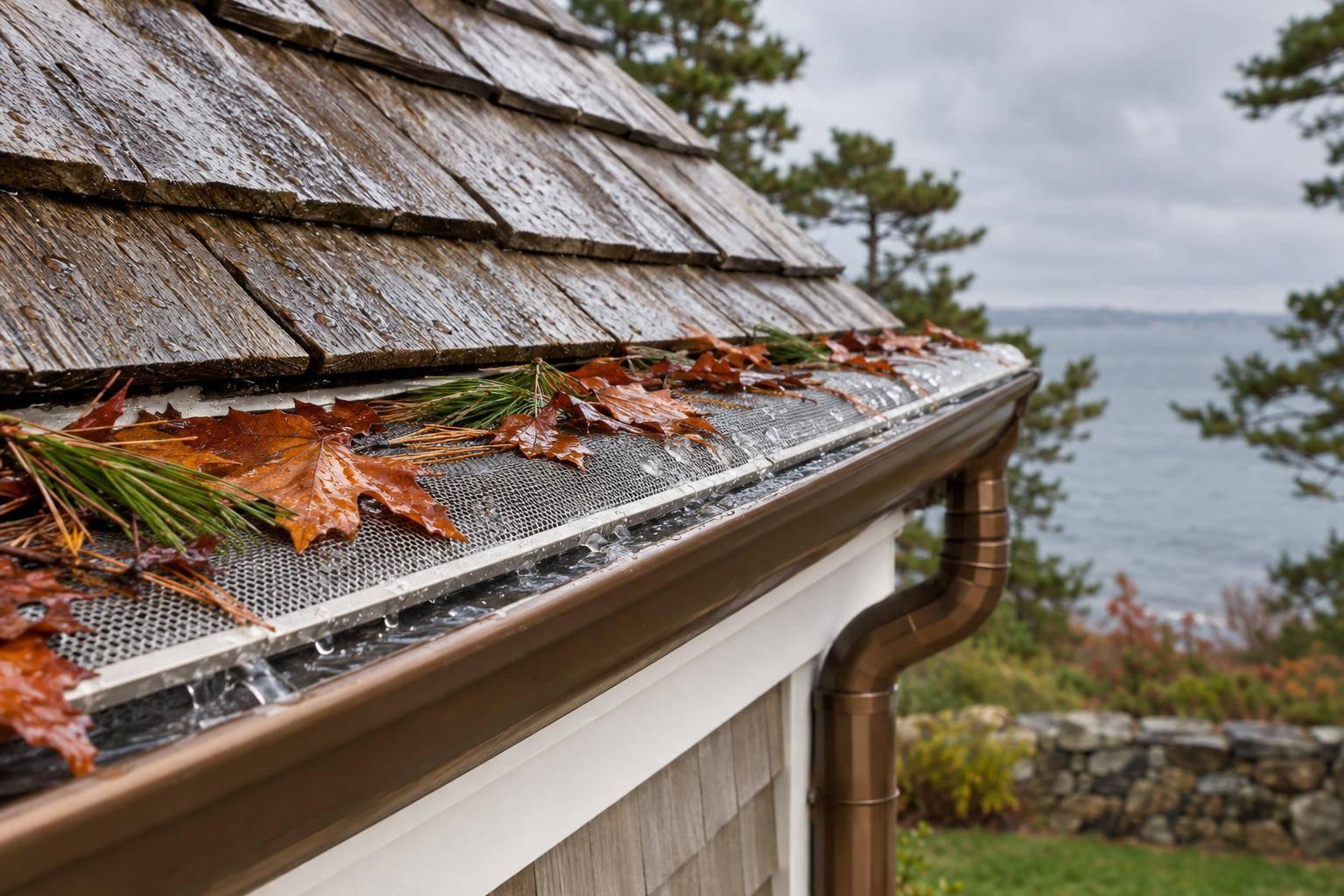
Gutter guards can reduce nor’easter debris in North Kingstown gutters, but wet leaves and twigs can still block water flow. Before installation, have the gutters cleaned, following a professional gutter cleaning guide, the downspouts checked, and any slope or support problems repaired.
Screens, micro-mesh, reverse-curve guards, and foam or brush inserts handle debris differently, so it is important to compare gutter guards vs regular cleaning to see which fits your maintenance style. Your choice should match your roof’s pitch, nearby trees, and drainage capacity - not just the guard type.
Secure attachments and access for cleaning also matter. After a storm, check from the ground for overflow marks, debris piles, or shifted panels, and have a professional inspect drainage problems.
Why Nor’easters Challenge Gutter Guards
Storm debris puts gutter guards to the test - not just the fine grit that builds up day to day. The focus here is what happens during a storm, rather than the cleanup afterward.
Wind-Blown Debris Can Block Guard Openings
Broad leaves shed more easily than pine needles and fine debris. But a nor’easter can press wet leaves, twigs, and seed pods into a mat that blocks water flow.
Roof valleys funnel runoff and debris onto a short stretch of gutter. That stretch can overflow even while nearby sections drain normally. Before installing gutter guards, have the roof layout checked, with close attention to valley discharge points.
Even when debris slides off, the volume of stormwater can overwhelm the drainage path.
Heavy Rain Tests Drainage and Fasteners
Water has to enter the guard, flow through the gutter, and leave through the downspout. If gutters or downspouts are too small or partly blocked, water can back up - even when the guard is clear. Guards can’t fix poor slope, sagging sections, or damaged fascia.
Coastal winds can lift loose guard panels and change how water enters. Ask how the panels attach, whether their fasteners resist coastal wind uplift, and whether the gutter supports are sound. Don’t assume every guard performs the same way in a storm.
sbb-itb-634c8b2
How Different Gutter Guards Handle Storm Debris

Gutter Guards vs. Nor’easter Debris
Compare Screens, Micro-Mesh, Curved Guards, and Inserts
Choose by roof pitch, debris load, and drainage capacity - not guard style alone. Look at how each design handles storm debris while letting water enter the gutter under a heavy load.
| Guard type | Debris it generally blocks | Debris that may collect or pass through | Storm limit | What to check |
|---|---|---|---|---|
| Perforated or wire screens | Large leaves and twigs | Needles, seeds, and roof grit can pass through or lodge in openings | Clogged openings let less water enter | Check openings for lodged needles and other debris |
| Micro-mesh | Most leaves, needles, and small seeds | Fine sediment and pollen can coat the surface | A dirty surface can send water sheeting over the edge | Check for surface coating; brush or rinse as the manufacturer allows |
| Reverse-curve guards | Large leaves and twigs | Small debris can enter the intake slot | Runoff may overshoot the curve in intense rain, especially on steep roofs | Check slot clearance, curve cleanliness, and alignment |
| Foam or brush inserts | Large leaves and twigs | Needles, seeds, and fine material collect inside the insert | Trapped debris leaves less room for water to flow | Check inside the material; thorough cleaning may require removal |
These are general design trade-offs, not guarantees of storm performance.
Spot the Failure Point
Where water overflows can help you find the cause. Water spilling over an edge can point to several problems. Pinpointing the issue helps prevent repeat overflow.
| Problem | Possible cause | Appropriate remedy |
|---|---|---|
| Front-edge overflow | Surface buildup, excessive rainfall, or a mismatch between guard design and roof pitch | Inspect the surface and water-entry path; clean as directed, then assess whether the design suits the roof |
| Debris inside gutters | Installation gaps, damaged panels, or openings too large to block the debris | Check panel fit and damage; fix gaps or consider a finer mesh or screen |
| Outlet overflow | A blocked downspout or too little outlet capacity | Check for blockages first; have drainage capacity assessed if overflow continues |
| Guard movement | Loose or too few fasteners, damaged supports, or warped panels | Inspect attachments and supports; re-secure or replace affected parts |
Use these findings to guide gutter guard installation.
Choose and Install Guards That Fit the Property
Once you’ve found the overflow points, choose guards that suit the property’s roof, trees, and drainage during North Kingstown nor’easters. Check these features on site before gutter guard installation. The focus here is storm-event debris - not everyday fine debris or cleaning after a storm.
Check the Roof, Trees, and Drainage
Check the roof’s pitch, material, condition, and valleys, along with nearby trees. Inspect gutter size and slope, fastener security, outlet and downspout capacity, and the path water takes away from the foundation.
Confirm fit and access. The attachment method must fit the gutter profile without disturbing flashing or conflicting with roof warranty requirements. Ask how guard sections open or come off for inspection and cleaning. You’ll still need access to check the system after installation.
Clean and Repair Gutters Before Installation
After checking the roof layout, prepare the gutters. Remove leaves and sediment, then flush the downspouts before covering the troughs. Have the installer inspect seams, fascia, hangers, and drip-edge alignment. They should also use a level to check the slope toward the outlets. A hose test can reveal pooling and leaks before the guards go on.
Ask for separate line items for cleaning, repairs, old-guard removal, and installation. Review Rhode Island gutter guard costs for pricing factors, including linear footage, material, building height, and roofline complexity. Fix existing drainage problems before installation.
Conclusion: Reduce Debris Without Blocking Drainage
When comparing guard types, focus on whether they can keep water moving during a nor’easter. Well-matched gutter guards can reduce storm debris entry, but their performance depends on drainage capacity, secure installation, and regular inspections. This section addresses how guards perform during storms, not post-storm cleaning.
Check Guard Performance After a Storm
If you spot signs of overflow, start with a ground-level check once conditions have cleared. Look for water spilling over the front edge, debris buildup, overflow marks, displaced sections, and visibly loose fasteners. Check seams, outlets, and downspout connections, too. Make sure extensions still direct water away from the foundation. Never climb during a storm or on slippery surfaces.
Blocked drainage needs a professional inspection - not just a quick cleanout. For a separate cleanup checklist, see checking gutters after a Rhode Island storm.
Request a free in-person estimate from Downspout Services in North Kingstown to review whether your guards suit storm conditions, assess drainage, and discuss inspection needs after storms.
FAQs
How can I verify gutter guards can handle coastal storms?
Match gutter guards to the debris coastal storms bring. Stainless steel micro-mesh screens are designed to block fine material while letting heavy rainfall flow through. Check that guards are installed correctly, especially the pitch and alignment of reverse-curve styles. This helps prevent water from overshooting the gutters during extreme storms.
The focus here is on what guards can handle during storms, not everyday fine debris or post-storm cleaning. Guards reduce buildup, but they still need checks after major nor’easters.
Can my existing gutter guards be reinforced for nor’easters?
Existing gutter guards can’t be reinforced to handle nor’easters. Wind-driven debris and heavy rainfall can overwhelm them. The issue is how guards handle storm debris - not everyday fine debris or cleanup after a storm.
If your gutters are structurally sound, upgrading to professional-grade guards may be an option. Guards cut down on routine maintenance, but post-storm inspections are still needed to spot and clear debris that collects on top or gets past them.
What storm damage should my gutter guard warranty cover?
Gutter guard warranties usually cover product defects and clogs, but storm coverage depends on the manufacturer’s terms. Standard warranties exclude debris beyond the guard’s designed capacity and structural gutter failures caused by extreme wind or ice loads. Damage from improper installation is generally excluded, and improper installation may also void your roof warranty.
The focus here is storm debris and what guards can handle or prevent - not everyday fine debris or post-storm cleaning.