Why Copper Gutters Are Worth the Cost on Rhode Island Homes
On coastal or historic Rhode Island homes, copper gutters resist salt corrosion and soldered seams cut leaks—at a higher upfront cost.
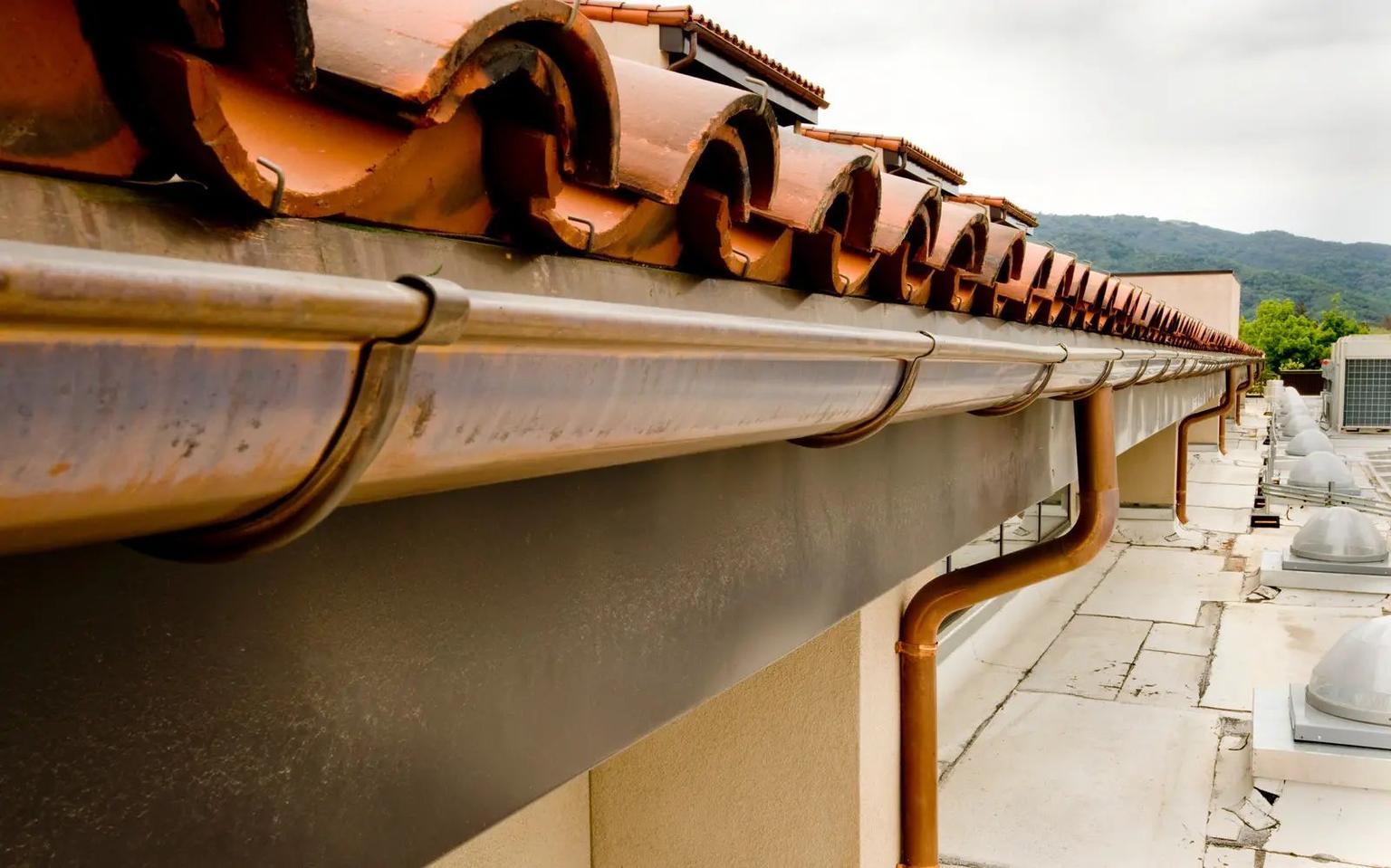
Copper gutters usually make sense on Rhode Island homes in two cases: when your house sits near salt water or when your home must meet historic district rules.
If your property is in places like Newport, Narragansett, Westerly, or Jamestown, salt air can wear out aluminum finishes, fasteners, and sealants sooner. If your home is in areas like College Hill or Newport’s historic districts, copper may also fit review standards better than other gutter materials. That means the higher upfront cost can make sense when you want fewer leak points, longer service life, and a look that fits an older home.
Here’s the short answer:
- Best use case #1: Homes within about 1 mile of the ocean
- Best use case #2: Homes in historic districts
- Main reason: Copper does not rust
- Big install point: Copper seams are often soldered, which can cut leak risk
- Main caution: Copper should not touch aluminum or galvanized steel parts
- Main tradeoff: Higher upfront cost, often in the thousands of dollars more than standard systems
Quick Comparison
| Factor | Copper Gutters | Aluminum/Galvanized Gutters |
|---|---|---|
| Salt air exposure | Holds up well because it does not rust | Can wear down sooner near the coast |
| Historic district fit | Often a better match for older homes | May look out of place on period homes |
| Joints | Commonly soldered | Often sealed with caulk at seams |
| Aging | Darkens, then may turn green | Finish may fade, chalk, or corrode |
| Metal pairing | Must avoid mixed-metal contact | Still needs proper fasteners, but less issue with copper runoff |
| Upfront cost | Higher | Lower |
If your home faces coastal weather or review-board rules, copper is often less about luxury and more about fit.

Copper vs. Aluminum Gutters for Rhode Island Homes
Problem 1: Coastal Salt Air Wears Out Standard Gutters Faster
In towns like Newport, Narragansett, and Barrington, gutters take a beating from salt spray, humidity, and wind-driven rain. Near the shore, that wear shows up sooner. Seams tend to fail first, and protective finishes often start to break down before the rest of the system.
Why Near-Shore Exposure Is Harder on Gutter Systems
Salt is corrosive. Once a coating gives out, galvanized steel can rust fast. Aluminum doesn’t rust like steel, but its finish and sealants can still wear down more quickly in salty, humid air.
Sectional gutters have another weak spot: seams. They depend on caulk, joints, and fasteners that can crack, loosen, and leak after repeated coastal storms.
Copper sidesteps much of that seam-and-coating issue because it responds to coastal exposure in a different way.
How Copper Holds Up in a Coastal Environment
Copper has no iron, so it doesn’t rust. Instead, it forms a patina, which acts like a shield over the metal below. In salt air, that patina forms faster, so homes near the coast get that layer of protection sooner.
Copper seams are soldered into watertight joints. That cuts down on leak points and usually means less upkeep over time. For coastal homeowners, that can translate into fewer repair calls.
There is one thing to watch: copper should not touch aluminum or galvanized steel fasteners, downspouts, or trim, because that can lead to galvanic corrosion.
That same material edge matters on older homes too, where looks and approval rules can matter just as much as how long the system lasts.
sbb-itb-634c8b2
Problem 2: Historic District Rules Can Limit Material Choices
On historic Rhode Island homes, gutters and downspouts usually fall under exterior review. That means material choice affects both approval and curb appeal.
Why Period-Appropriate Materials Matter on Older Homes
Historic guidance treats gutters and downspouts as character-defining parts of a building. So if the profile or material looks out of place, it can hurt your chances of approval on an older home. In some cases, mismatched materials can also make historic tax credits harder to secure.
How Copper Fits Historic Approval Standards and Ages Well
Copper makes sense here because it lines up with review standards and keeps its appearance over time. On historic Rhode Island homes, copper is a period-appropriate option, especially in half-round profiles.
There’s also a practical side to it. Soldered copper systems can be repaired and re-soldered decades later. And as copper ages, it forms a patina that protects the metal underneath. That helps cut maintenance and lets the system blend in better with older homes.
One detail matters more than many homeowners expect: use copper with copper or stainless steel fasteners. Aluminum nails or flashing can trigger galvanic corrosion, which can speed up wear and tear.
That approval edge helps explain why some owners are willing to pay more upfront for copper. On historic homes, it’s often the material that makes the most sense to defend at review time.
Where Copper Delivers the Best Return on a Rhode Island Property
Copper tends to pay off most on Rhode Island homes exposed to salt air or subject to strict historic review. In those cases, looks and long-term wear both matter, and that’s where copper often makes the most sense.
Homes Most Likely to Benefit from Copper Gutters
Some homes are simply a better match for copper than others.
Best fit: Oceanfront and near-shore properties in towns like Newport, Narragansett, Westerly, and Jamestown.
Historic homes in Providence's College Hill, the East Side, and similar districts in Cranston are also strong candidates. In those areas, copper helps preserve the home’s original character and can support historic review standards.
High-end homes with long-life roofs in East Greenwich and Barrington also line up well with copper. It helps keep the gutter system on the same timeline as the roof, instead of turning the gutters into the first part of the exterior that needs replacement.
Copper also works well on homes with complex rooflines, curved fascia, and visible chimney or dormer details. It pairs naturally with brick, stone, stucco, wood, and slate exteriors. And because its joints are custom-fabricated and soldered, it’s a strong match for places where those details are easy to see.
Why Copper Can Cut Down on Repeat Repairs and Out-of-Place Appearance
The other reason copper stands out is simple: it removes some of the weak points that lead to repeat repairs.
The biggest one is seam failure. Aluminum systems depend on sealants, and those sealants can dry out, crack, and pull apart over time. Copper joints, by contrast, are hand-soldered into one watertight system. There’s also a material-compatibility issue to watch for. When copper runoff mixes with aluminum components, it can trigger galvanic corrosion and cause the downspout to fail early.
For owners planning to stay in the home for years, that can mean fewer repair calls and less chance of damage to the fascia, basement, or foundation.
Copper's Tradeoffs and the Bottom Line for Rhode Island Owners
What to Weigh Before Choosing Copper
Copper has a lot going for it, but there are three tradeoffs Rhode Island owners should think through before making the call.
First, cost. Copper comes with a higher upfront price, so it usually makes sense only when that extra spend fixes a clear coastal or historic-home issue. If your home faces harsh salt air or has to meet historic review standards, the premium can be easier to justify.
Second, appearance. Copper doesn’t stay the same color. It starts out bright, then darkens, and later turns green. In Rhode Island, salt air speeds up that shift, so the look can change faster than some owners expect.
Third, installation. Copper isn’t a plug-and-play material. It needs soldered seams and careful metal pairing to help prevent corrosion. That means the install work has to be done with care.
Conclusion: Why the Higher Upfront Cost Can Pay Off
Copper is a targeted choice, not a default upgrade. For homes near salt water or in a historic district, the higher upfront cost often pays off.
In places like Newport, Narragansett, or Providence's historic neighborhoods, copper handles two problems better than standard materials: salt air corrosion and period-appropriate exterior requirements. Downspout Services handles copper gutter installation across Rhode Island, including coastal and historic-district properties where material compatibility and proper metal pairing matter. Soldered seams and correct fastener selection make the difference between a system that holds for decades and one that fails at the joints.
For Rhode Island homes near salt water or under historic review, copper's higher cost pays off in durability, compliance, and curb appeal.
FAQs
Do copper gutters make sense if I live farther than 1 mile from the ocean?
Yes. Copper tends to be most appealing in coastal areas, but it can still be a smart pick farther inland.
People often choose it for its long life, its fit with historic homes and upscale architecture, and its classic look. Over time, it also develops a natural patina that helps protect the material.
Will a historic district require copper gutters on my home?
It depends on your property and your local rules. In places like Newport, if a contributing historic home already has copper gutters, the Historic District Commission may require you to replace them in kind with copper.
Historic commissions often enforce period-accurate materials and visible profiles. So before you start, check your local commission’s design guidelines. That small step can save you time, money, and a headache later.
How do I know if my current gutter system has mixed-metal corrosion?
Mixed-metal, or galvanic, corrosion happens when copper comes into contact with a different metal, like aluminum or steel. It often shows up at connection points where those materials meet, such as fasteners or flashing transitions.
Common signs include unusual pitting, rust that spreads faster than expected, or metal parts that seem to wear down sooner than normal. To help prevent this kind of corrosion, use fasteners and transition materials that are compatible with copper.