What to Check on Your Gutters After a Rhode Island Storm
Storms reveal clogged, sagging, or leaking gutters—clean small debris; call pros for damaged runs or drainage near the foundation.
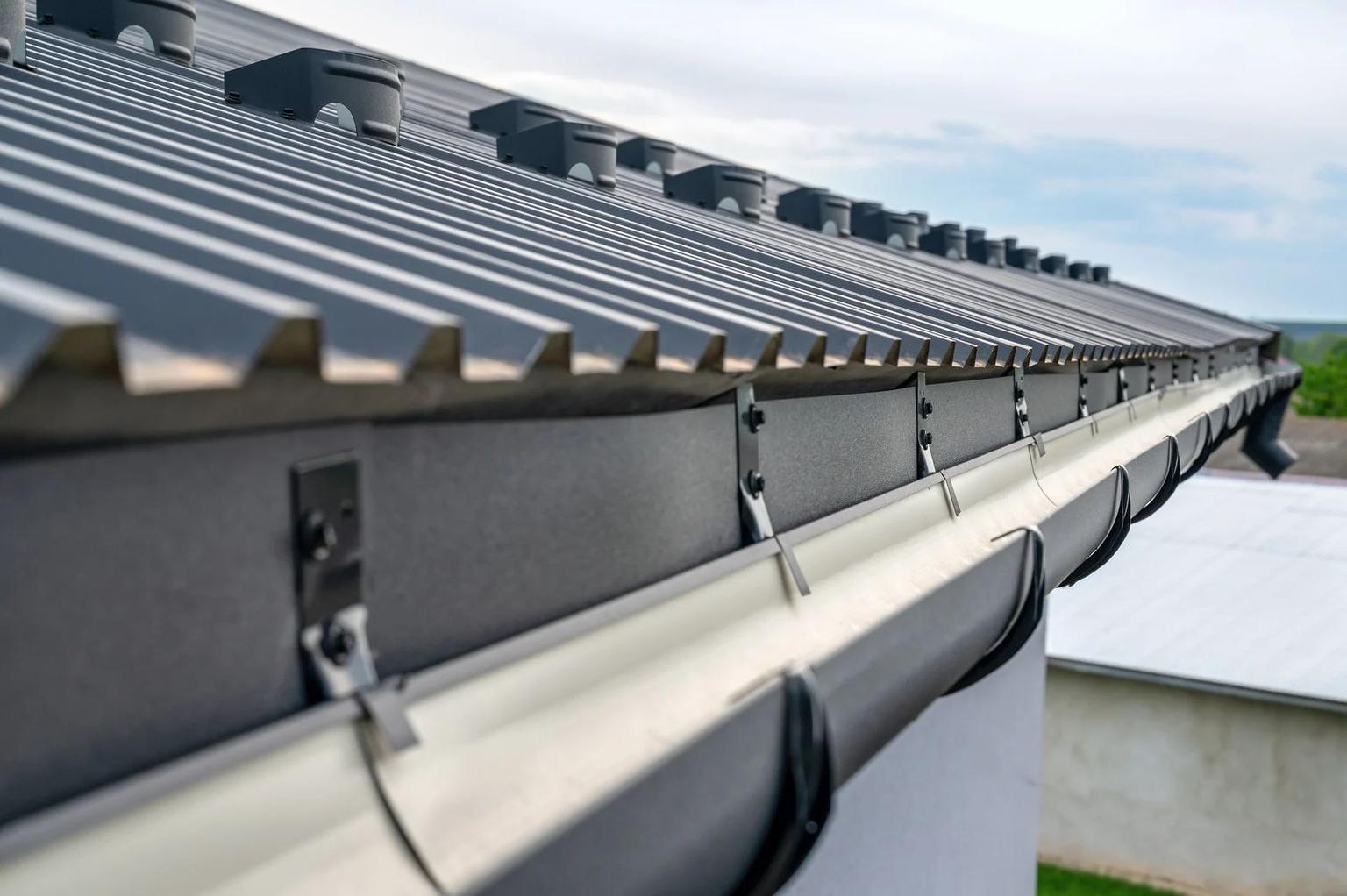
After a Rhode Island storm, start by checking three things: clogs, loose gutter sections, and water near the house. Debris above the gutter edge, stains on siding, sagging runs, or pooling at the base of a downspout are all signs the system may need more than a simple cleanup.
Here's the short answer:
- Clean if the issue is light debris in an easy-to-reach spot
- Call for cleaning service if water backs up or a downspout seems blocked
- Repair or replace if gutters sag, pull away, leak, or look bent
A few numbers help set the line:
- Downspout extensions should send water 4 to 6 feet from the house
- Pro cleaning often runs $125 to $350
- Repairs often run $100 to $500
- Replacement often runs $1,000 to $2,500+
Storm damage tends to show up in a predictable order: clog first, overflow next, then hardware or gutter damage. Before getting on a ladder, walk the house, look up from the ground, and note any spots where water may have spilled or the gutter may have shifted.
Why Gutter and Downspout Damage After a Storm Can Lead to Bigger Roof Problems | Precision Roofing
sbb-itb-634c8b2
Quick check
| What I notice | What it often means | Next step |
|---|---|---|
| Leaves or twigs above the rim | Gutter clog | Clean or book cleaning |
| Dark streaks on siding or fascia | Overflow | Check for blockage |
| Sagging or gaps at fascia | Loose hangers or storm damage | Repair call |
| Water pooling near base | Drainage failure | Inspect downspout and extension |
| Bent or detached section | Physical damage | Repair or replacement |
The rule is simple: if it looks like debris only, cleanup should do it. If it looks like movement, separation, or leaking, hire a professional service.
That’s the fast way to sort out what happened after the storm and what to do before the next rain.
How Rhode Island Storms Put Stress on Gutters
Rhode Island storms can beat up gutters in a few different ways. Nor'easters may loosen gutters and downspouts. Heavy rain can push typical 5-inch gutters past what they can handle. And fall windstorms often stuff gutters with wet debris. In most cases, the first trouble you notice is clogging and overflow.
Debris and Water Load Problems Common After a Storm
After a Rhode Island storm, wet leaves and pine needles can stick together with rainwater and turn into a thick sludge that blocks water flow.
What Typically Fails First After a Storm
The first thing that usually goes wrong is a clog. After that, downspouts can block, water can spill over the gutter trough, stain the fascia, and pool near the foundation. If that wet debris sits there, gutters may start to sag, and hangers can pull loose from the fascia.
Those are the first signs to check for from the ground.
What to Check From the Ground Right After the Storm
Wait until the lightning is gone, the wind settles down, and the ground isn’t slick before you check anything. Then grab a pair of binoculars and scan the roofline and gutter troughs from the ground. Start with what you can spot right away. From there, you can figure out if the issue looks small or if it calls for a closer inspection.
Visible Signs of Clogs, Overflow, and Misalignment
Your first job is simple: see if the storm left behind a clog, overflow, or a gutter section that got knocked out of place.
Walk the perimeter of your home and look up at each gutter run. Debris sticking above the gutter rim - like wet leaves, pine needles, or small branches - usually means the trough is blocked. Water stains or dark streaks on the siding or fascia boards point to overflow during the storm.
Next, check the ground below the gutter line. Muddy trenches or washed-out mulch are a strong clue that water spilled over the front edge instead of moving through to the downspout. You should also watch for gutter sections that look lower than the rest of the run or seem to be pulling away from the fascia. That often means loose hangers or extra weight from soaked debris.
What to Check Around Downspouts and the Foundation
Look at each downspout from top to bottom. Make sure the bottom elbow is still attached and that the extension is still in place and pointed away from the house. Downspout extensions should direct water at least 4 to 6 feet away from the foundation.
Then check the area at the base of each downspout. Pooled water or muddy splash-back on the lower siding or foundation means the drainage path didn’t do its job. Take a look at the splash blocks too. If you see a heavy buildup of granules after the storm, that can be a sign your shingles are shedding.
What to Note Before Calling for Service
Before calling for a post-storm inspection, jot down a few key details:
- Which side of the house collected the most debris
- Where you saw overflow stains on the siding or fascia
- The location of any sagging sections, gaps, or disconnected downspouts
These notes make it easier to explain what you saw before you decide what to do next. And if you notice sagging, separation, or pooling near the foundation, that’s a good point to stop and think twice before bringing out a ladder.
When a Ladder Helps and When to Stop
If your ground-level check points to a small, isolated issue and conditions are safe, a ladder can help with a closer look. But keep the goal narrow: use it to confirm whether you're dealing with a clog, loose hardware, or storm damage that needs service. If the damage looks minor and the ground is dry, that limited check may be enough.
When Not to Use a Ladder After a Storm
Skip the ladder if your home is taller than one story, especially on Rhode Island's historic triple-deckers, or if the ground is soft, uneven, or saturated after the storm. The same goes if winds are still lingering or if there's ice or snow near the roofline. In those cases, call a professional rain gutter cleaning service.
What to Look for Up Close When Conditions Are Safe
If you have a single-story home, stable ground, and calm, dry weather, a limited ladder check can make sense. Use a properly secured ladder, and never step onto the roof surface.
From up close, check for debris packed into the downspout openings. Also look for pulled hangers, loose brackets, separated seams, and gutter sections that appear bent or crushed. One spot deserves extra attention: the back edge of the gutter where it meets the fascia. If you can see a gap there, the gutter is pulling away from the house.
If your gutters use older spike-and-ferrule fasteners, make a note of that too. They can loosen over time and lead to alignment problems.
Signs You Should Call a Pro Right Away
If any part of the system looks deformed or detached, stop the ladder check right there. Sagging sections, gutters pulling away from the fascia, crushed areas from fallen branches, or a twisted downspout all point to damage that goes beyond a simple cleanup. That's repair work, not a DIY fix.
Also check for signs that water has already gotten where it shouldn't. Siding stains, basement dampness, or pooling near the foundation are all red flags. At that point, the gutter system has already failed and needs a professional evaluation.
DIY Cleanup, Professional Cleaning, or Repair: How to Decide

Rhode Island Storm Gutter Damage: DIY vs. Pro vs. Replace Guide
Once you've done your ground-level and ladder checks, the next step is pretty simple: match the fix to what you found. If it's just debris, you're likely looking at a cleanup. If you spot sagging, separation, or leaks, you're no longer dealing with a basic clog. That's a repair issue.
When DIY Cleanup Makes Sense
DIY cleanup is a good fit when the job is small and easy to reach. If you have a single-story home, the gutters still look solid, and the storm left behind nothing more than loose leaves or small twigs, you can usually handle it yourself.
Clear out what you can reach by hand, flush the gutter with a hose, and make sure the downspouts push water 4 to 6 feet away from the foundation.
That said, there's a clear line where DIY should stop. If you notice sagging, separation, or loose hardware, don't push past it. And if water still backs up after you flush the system, the issue likely goes beyond surface debris. At that point, it's time to move from cleanup to professional service.
When to Book a Professional Gutter Cleaning Service in Rhode Island
Some situations just aren't worth tackling on your own. Multi-story homes, tightly packed debris, and signs of a downspout clog are strong reasons to call a pro. The same goes for overflow stains on siding or fascia. A quick hose test might show that water isn't moving well, but it won't tell you why the system got overwhelmed in the first place.
In Rhode Island, storms, heavy rain, and coastal salt air can lead to clogged downspouts, corroded hardware, and hidden fascia damage more often than many homeowners expect. That's why a professional gutter cleaning service can be the smarter move. In most cases, it costs $125 to $350 per visit.
If the gutter still sags or leaks after it's been cleaned, that points to a structural problem, not a clog.
When Repair or Full Replacement Is the Right Call
Physical damage calls for repair. If the damage is more spread out, like rust across multiple sections, seams pulling apart, or fascia rot, replacement is usually the better path.
A focused repair usually costs $100 to $500, depending on the size of the job. Full gutter replacement usually falls between $1,000 and $2,500+, based on home size and material choice.
For homes that deal with heavy storm runoff, a 6-inch seamless gutter can handle nor'easter water flow better than a standard 5-inch system.
Conclusion: Check Your Gutters Now and Act Before the Next Rain
Once you've checked the gutters, match the fix to the damage. In Rhode Island, storms tend to expose gutter issues in a clear order: clog first, then overflow, then damage to the system itself.
Start with a ground-level check. Look for stains on the siding, sagging sections, and water pooling near the foundation. Those signs tell you a lot without climbing a ladder.
If the gutters are still in one piece and there's only light debris, this is often a DIY job. If water is backing up or parts of the gutter are loose, it's time to book a professional gutter cleaning. And if sections are bent, detached, or leaking, skip the patchwork mindset and move to repair or replacement.
Act now so the next storm hits a system that can handle it.
FAQs
How soon should I check my gutters after a storm?
Check your gutters right away after any major storm, nor'easter, or high-wind event.
Debris can pile up overnight and block water flow fast. Storms can also leave behind sagging sections, loose hangers, or downspouts that have pulled apart. If you spot these issues early, you have a much better shot at protecting your roof, siding, and foundation from water damage before the next storm hits.
Can one storm ruin gutters that looked fine before?
Yes. One storm can do real damage to gutters that looked fine the day before.
High winds and heavy rain can fill them with debris, bend sections, knock downspouts out of place, or loosen fasteners and brackets.
Once that happens, the added weight and force can make gutters sag or pull away from the fascia. And when gutters can’t drain the way they should, water can overflow and damage your siding, fascia, and foundation.
Will gutter guards prevent post-storm clogs?
Gutter guards can cut down on maintenance, but they won’t stop every post-storm clog.
They do a good job of blocking larger debris. But smaller material can still slip through, and leaves or other debris may pile up on top of the guards over time.
So even if you have guards installed, it’s still smart to check your gutters after a storm. You should also schedule a professional cleaning at least once a year to keep the system clear and working the way it should.
Related Blog Posts
Heading 1
Heading 2
Heading 3
Heading 4
Heading 5
Heading 6
Lorem ipsum dolor sit amet, consectetur adipiscing elit, sed do eiusmod tempor incididunt ut labore et dolore magna aliqua. Ut enim ad minim veniam, quis nostrud exercitation ullamco laboris nisi ut aliquip ex ea commodo consequat. Duis aute irure dolor in reprehenderit in voluptate velit esse cillum dolore eu fugiat nulla pariatur.
Block quote
Ordered list
- Item 1
- Item 2
- Item 3
Unordered list
- Item A
- Item B
- Item C
Bold text
Emphasis
Superscript
Subscript