Gutter Cleaning in Rhode Island: How Often Is Often Enough?
Most Rhode Island homes need gutter cleaning 2–4 times yearly; frequency varies with trees, coastal exposure, and storms.
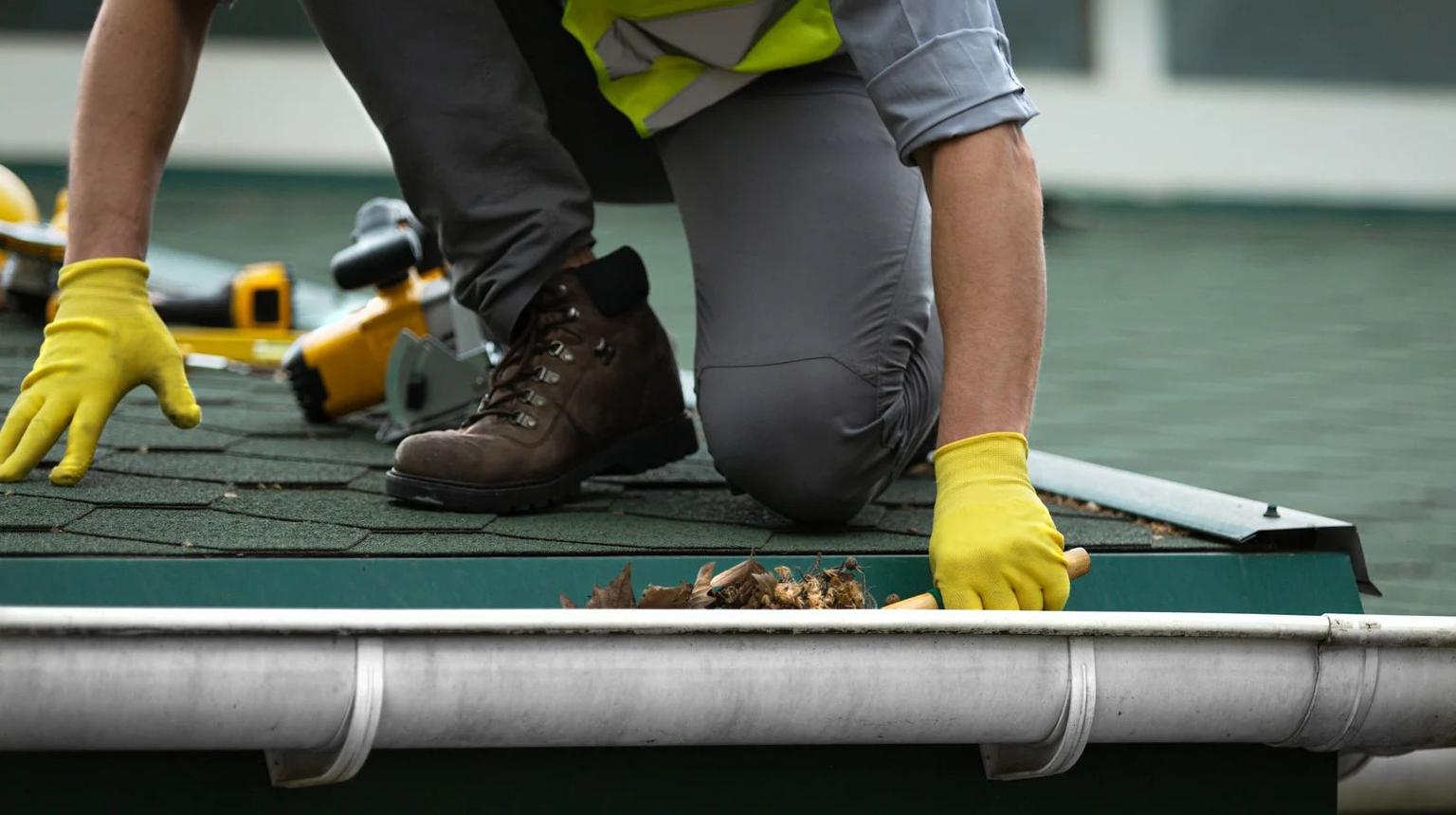
Most Rhode Island homes need gutter cleaning 2 to 4 times per year - not just once in the spring or fall.
If I had to give a short answer, it would be this:
- Typical homes: 2 times a year
- Wooded lots: 3 to 4 times a year
- Pine-heavy or coastal homes: 4 times a year
- Homes near ponds or marshes: about 3 times a year
- After a nor’easter: check gutters right away
That’s because Rhode Island gets about 46 to 52 inches of rain a year, has heavy leaf drop, salt air near the shore, and winter freeze-thaw swings that can turn clogged gutters into overflow, sagging sections, and ice trouble.

Rhode Island Gutter Cleaning Frequency by Property Type
Quick comparison
| Home type | How often to clean | Best timing |
|---|---|---|
| Typical home | 2x per year | Late spring and late fall |
| Wooded lot | 3–4x per year | Spring, early summer, and fall |
| Pine-heavy lot | 4x per year | About every 3 months |
| Coastal home | 4x per year | March, June, September, December |
| Near water or marsh | 3x per year | Spring, summer, late fall |
What matters most is simple: your property decides the schedule. Tree type, storm exposure, and how fast debris comes back matter more than a blanket rule.
If I see overflow during rain, slow downspouts, sagging gutters, moss, or washout near the foundation, I’d treat that as a sign the current schedule is not enough.
sbb-itb-634c8b2
How Often to Clean Gutters in Rhode Island by Property Type
Wooded, Pine-Heavy, Coastal, and Near-Water Properties: Three or Four Cleanings Per Year
Some Rhode Island homes need more than the usual twice-a-year gutter cleaning. If your property has dense tree cover, lots of Eastern White Pine, coastal exposure, or sits near a pond or marsh, two cleanings often won't cut it.
Homes under oak and maple trees deal with a messy mix: spring catkins, maple seeds, and then a heavy wave of fall leaves. That debris can mat over strainers and clog downspouts fast. For those properties, a third cleaning often makes sense, and sometimes a fourth.
Eastern White Pine is in a class of its own. Needles drop all year, not just in one season, and they can turn into a damp sludge that eats away at metal over time. On pine-heavy lots, quarterly service is the usual standard.
Coastal homes have a different problem. Salt spray, sand, and storm debris can build up and speed corrosion. In those cases, four cleanings per year often works best, usually around March, June, September, and December.
Homes near ponds or marshes also need closer attention. Gutters in those spots are more likely to hold moss, silt, and pest nests when water sits too long.
Use the table below as a quick guide.
| Property Profile | Primary Debris | Recommended Frequency | Timing Windows |
|---|---|---|---|
| Typical home (few overhanging trees) | Seasonal leaves, winter grit | 2x per year | Late spring, late fall |
| Wooded lot (oak/maple) | Catkins, maple seeds, heavy leaves | 3–4x per year | March–May, June, September–November |
| Pine-heavy lot | Year-round needles, acidic sludge | 4x per year | Every 3 months |
| Coastal property | Salt spray, storm debris, sand | 4x per year | March, June, September, December |
| Near water or marsh | Moss, silt, pest nests | 3x per year | Spring, summer, late fall |
Typical Homes: Two Cleanings Per Year as a Starting Point
If your home has only a few overhanging trees, start with two cleanings per year: one in late spring and one in late fall.
What Affects the Right Schedule for Your Home
Tree type is a big factor, but it isn't the only one. Roof pitch matters too. A steep slate roof can send runoff into the gutters with a lot of force, which means water may shoot past even a slightly clogged gutter instead of draining the way it should.
Gutter size also plays a part. Rhode Island gets about 46 to 52 inches of rain each year, so even standard 5-inch gutters can struggle when debris blocks part of the channel.
A simple way to dial in the right schedule is to watch buildup for one full year. If your gutters fill up again just a few weeks after a cleaning, that's a sign to add another visit instead of waiting for the next planned service window. Over time, those patterns show you the seasons that matter most for your home, rather than forcing everything into one fixed schedule.
Best Times of Year to Schedule Rain Gutter Cleaning in Rhode Island
Once you understand residential rain gutter cleaning in Rhode Island and your baseline schedule is set, these are the Rhode Island timeframes that matter most.
Late November: Clean After Full Leaf Drop
Plan your fall cleaning for late November, after most oak and maple leaves have finished dropping. If you clean too soon, your gutters can fill right back up during the heaviest part of leaf season.
That matters a lot with Northern Red Oaks. They often hold their leaves deep into November, and when those stiff leaves finally fall, they can bridge across gutter openings and block downspouts almost at once. Waiting until late November lets you clear oak leaves, maple leaves, and wind-blown debris in one visit before winter weather moves in.
Late Spring to Early Summer: Clear Winter Debris and Seed Drop
Use late March through May to clear out winter grit, pollen, and melt residue before heavier spring rain shows up. It’s also a good time to look for corroded hardware or parts that shifted during winter.
If your home is near Norway Maples, June deserves extra attention. Their winged seeds, called samaras, fall in early summer and are known to wedge themselves vertically into downspout elbows. In that case, it makes sense to move your visit to late May or June so you can catch those seeds before they block the downspouts.
After Nor'easters or Before Late-Winter Thaw
Even if you stick to a set schedule, nor'easters can create the need for an extra cleaning between visits.
February is one of those times to watch closely. Thawing conditions and rain often arrive together, and a February check can help keep meltwater flowing instead of backing up during the thaw.
The same idea applies after a major nor'easter between October and April. Strong winds can knock downspouts out of place and dump debris into troughs that were clear just a few days earlier. After any strong nor'easter during that stretch, check your gutters from the ground. If you spot debris or shifted downspouts, move up the next cleaning.
Signs You Are Already Overdue for Gutter Cleaning
A cleaning schedule helps, but it only works if you spot trouble early. The good news is that many gutter problems show up from the ground. If you notice any of these warning signs, don’t wait for your next planned cleaning. Move it up.
Overflow, Sagging, Plants in the Gutters, and Poor Downspout Flow
Water pouring over the front edge during a normal rain is one of the clearest signs of a clog. In most cases, the gutter or downspout is packed with leaves, pine needles, or other debris. If sections of the gutter look like they’re drooping, that usually means wet debris or ice has added enough weight to pull the system loose.
You might also spot plants, moss, or algae growing in the gutter trough. That’s a sign debris has stayed wet long enough to turn into a mini planting bed. And if icicles form along the gutter line, meltwater is likely refreezing instead of draining out the way it should.
Foundation and Siding Clues That Point to Clogged Gutters
The trouble doesn’t always stay near the roofline. In fact, some of the most expensive signs show up lower on the house.
Dark vertical streaks, often called "tiger stripes", on siding usually mean water has been overflowing and running down the face of the home again and again. Soft wood or peeling paint on fascia boards points to water getting behind the gutter and soaking into the wood.
At ground level, watch for muddy trenches, washed-out mulch, or soil erosion right below the roof edge. That pattern usually means water is overshooting the gutter or spilling over it. If your basement feels damp or smells musty after heavy rain, water may be pooling near the foundation. Over time, that can lead to basement moisture issues and damage to the foundation itself.
These signs call for attention now, not later.
| Warning Sign | Likely Cause | Recommended Next Action |
|---|---|---|
| Water spilling over the front edge during rain | Troughs full of leaves, pine needles, or clumps of catkins | Clean gutters and flush downspouts |
| Little or no water exiting the downspout | Blockage in the elbow or debris over the strainer | Flush the downspout and check the elbow |
| Sagging or pulling away from fascia | Wet debris weight or loose hangers | Clean and re-secure the gutter |
| Staining or mildew on siding/fascia | Chronic overflow or water running behind the gutter | Clean gutters and seal leaking joints or seams |
| Muddy trenches or mulch washout | High-velocity overflow hitting the ground | Clear blockages and extend runoff away from the house |
| Basement dampness or musty smell after rain | Pressure from saturated soil near the foundation | Clear blockages and ensure water is diverted away from the foundation |
| Icicles at the gutter line | Trapped meltwater refreezing due to clogs | Clear debris before winter; check attic insulation and ventilation |
| Plants, moss, or algae in the trough | Long-standing organic sludge | Full debris extraction and system scrub |
How to Set a Cleaning Schedule and When to Call Downspout Services

Build a Cleaning Plan Based on Your Property
Start with the way your property loads the gutters. That should shape the schedule, not a one-size-fits-all rule. Homes in wooded areas, homes surrounded by pine, and coastal homes often need more than two cleanings per year. Homes with light debris often don't.
Use those seasonal patterns as your baseline. Then watch what happens between visits and adjust from there. If debris piles up fast, your current plan isn't enough. In that case, add another cleaning. A mid-summer check can help if you need a third visit.
Pine changes the math. If you have Eastern White Pine or Pitch Pine within 20 feet of the roofline, quarterly service usually makes more sense because pine needles lock together and build up all year. It also helps to tie gutter cleaning to your post-storm exterior checks, so it becomes part of a routine instead of something easy to miss.
If debris keeps coming back sooner than expected, it may be time to look at guards or bring in a pro to cut down the workload.
When Gutter Guards and Professional Service Make Sense
Gutter guards can help, but they are not a set-it-and-forget-it fix. Larger debris may stay out, but fine material can still collect on top of the guards or work its way inside, which means you still need maintenance.
Micro-mesh guards can do a better job with smaller debris, but they still need regular upkeep. If you want to see how that works in practice, visit the gutter guards service page.
There are also times when hiring a pro is the smart move. If your roof is steep or your home is more than one story, access gets harder and risk goes up. In Rhode Island, most homeowners pay between $125 and $300 per visit.
Even if you install guards or hire out the work, the schedule should still be based on what your gutters are doing day to day.
Conclusion: The Right Frequency Is Not the Same for Every Rhode Island Home
The right schedule depends on the debris load at your home. Look at your trees, your roof layout, and how fast material comes back after each cleaning.
If water is spilling over the sides or the downspouts are draining slowly, that's a clear sign your current schedule isn't frequent enough. Book a cleaning now, then rebuild the calendar from that point. Downspout Services offers professional gutter cleaning for Rhode Island homes.
FAQs
Do gutter guards reduce how often I need cleaning?
Yes. Gutter guards can cut down how often you need gutter cleaning by blocking leaves and other larger debris. That helps prevent clogs and keeps maintenance lower.
That said, they’re not foolproof. Small debris can still slip in, and debris can pile up on top of the guards over time. So you should still check your gutters from time to time and plan for professional cleaning at least once a year.
Can clogged gutters cause basement water problems?
Yes. Clogged gutters can lead to basement water problems because they stop rainwater from flowing away from your home the way it should.
When gutters are blocked, water can spill over the sides and collect near the foundation. From there, it may seep through cracks or soak the soil around your home, which can lead to basement dampness or even flooding.
If your basement feels wetter after storms, there's a good chance your gutters aren't handling runoff the way they need to.
Should I schedule an extra cleaning after a storm?
Yes. After major storms or hurricanes, it often makes sense to schedule an extra cleaning.
In Rhode Island, nor'easters can pack gutters with branches, pine needles, and leaves in no time. That buildup can lead to clogs that a standard twice-a-year schedule may not catch.
Even if you stay on top of regular maintenance, check your gutters after heavy rain or strong wind. A quick look can help you spot debris early, stop overflow, and reduce the chance of water damage to your roof or foundation.