When Should You Put Up Christmas Lights Before Winter?
Book in Sept–Oct and install Oct–mid‑Nov—finish by Thanksgiving. Prep gutters, use outdoor-rated lights, and avoid nails for safer installs.
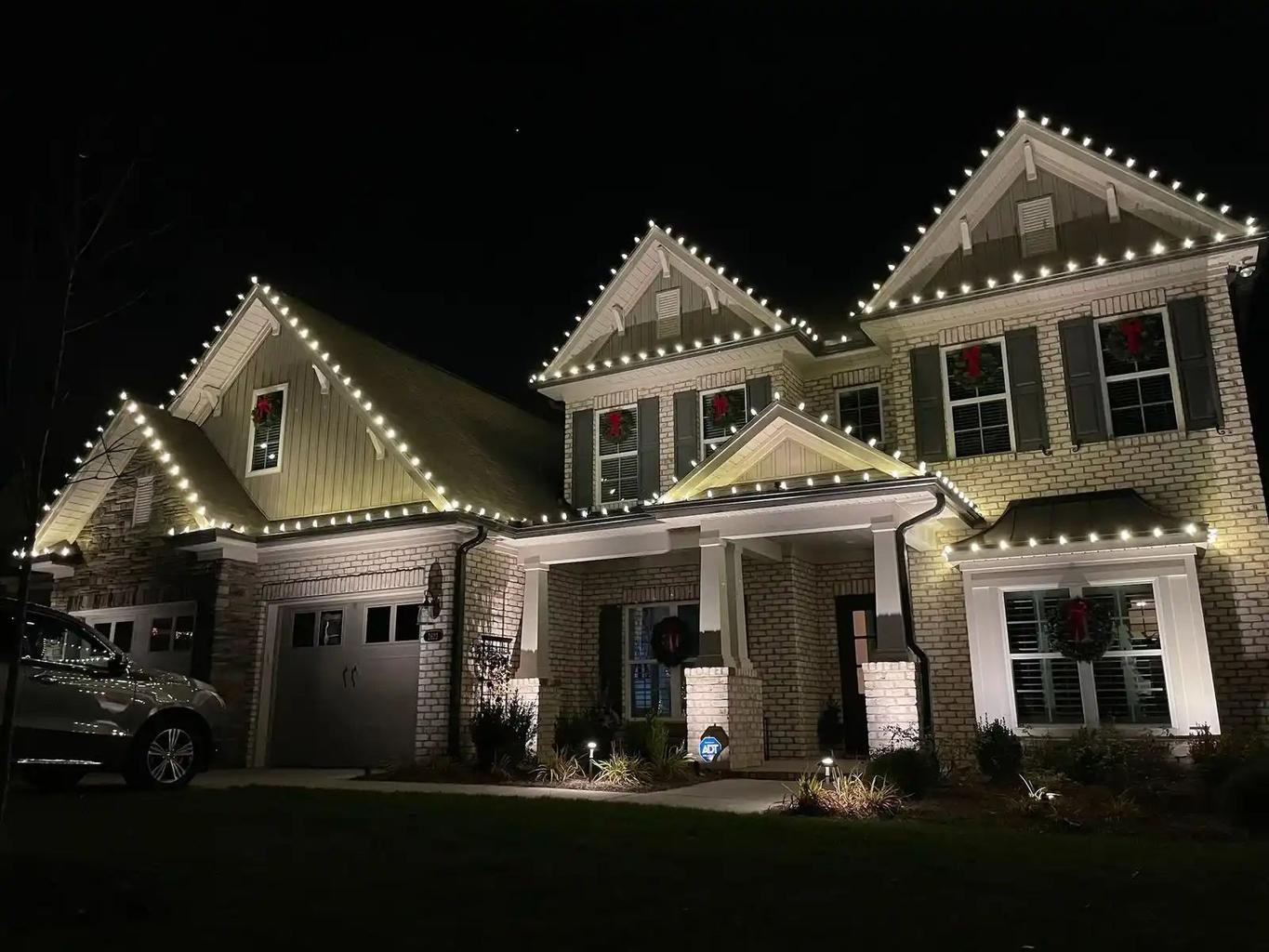
For most Rhode Island homes, the best time to put up Christmas lights is from early November to Thanksgiving, and the best time to book is September or October.
If you wait until late November or early December, your odds of weather delays go up fast. Cold roofs, wet ladders, frozen gutters, and shorter daylight hours can turn a simple job into a risky one. In many cases, October through mid-November gives you the safest window for outdoor work.
Here’s the short version:
- Book in September or October if you want more open install dates.
- Install in October through mid-November if you want drier roofs and milder temperatures.
- Aim to finish by Thanksgiving before snow, ice, and wind create problems.
- Clean gutters and check rooflines first so clips can hold and water can drain.
- Use outdoor-rated lights, cords, and GFCI outlets to lower fire and shock risk.
- Skip nails, staples, and screws to avoid damage to shingles, siding, and gutters.
- Watch surface temperature limits: some adhesive hooks need 50°F to 90°F, and EIFS can turn brittle below 40°F.
Best Time to Put Up Christmas Lights in Rhode Island
How to Hang Christmas Lights on your Roofline like a Pro
sbb-itb-634c8b2
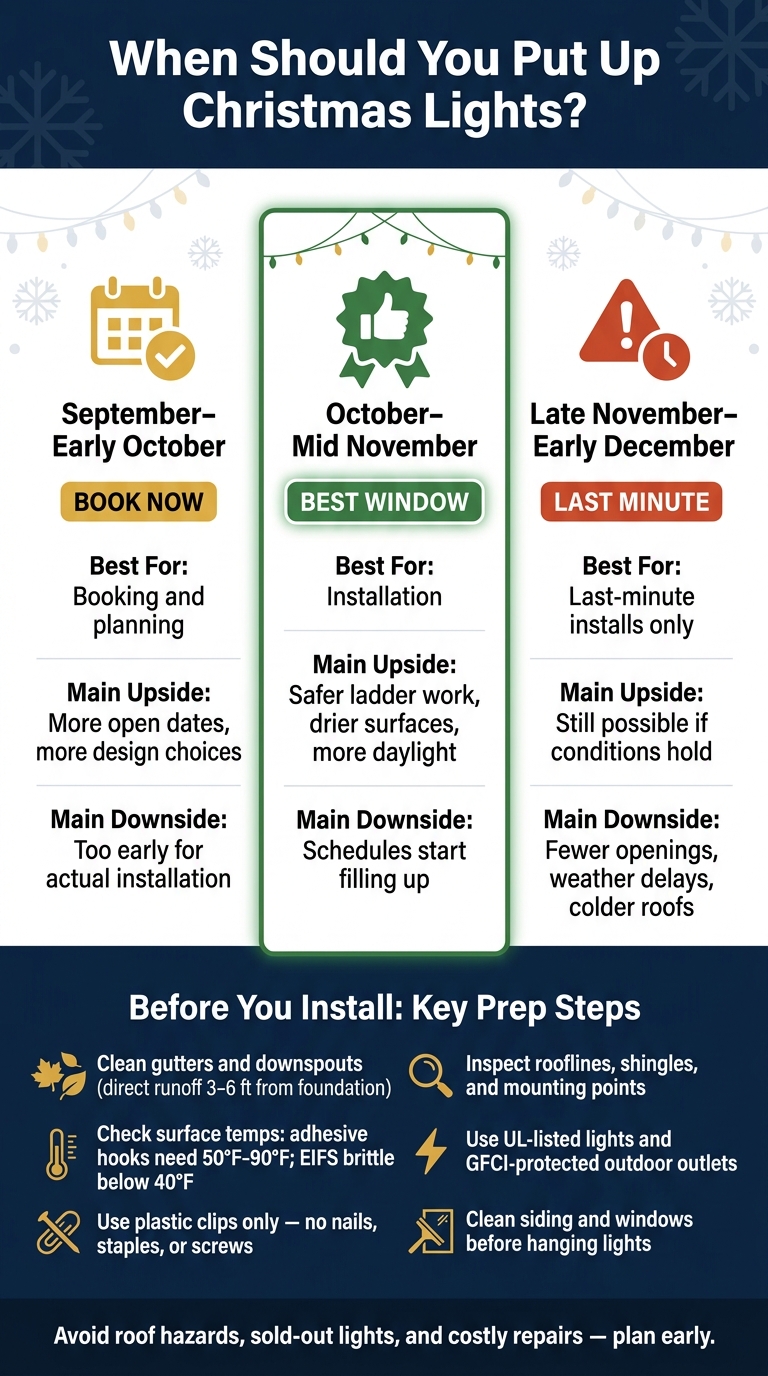
Quick Comparison
| Timeframe | What it’s best for | Main upside | Main downside |
|---|---|---|---|
| September to early October | Booking and planning | More dates, more design choice | Often early for the actual install |
| October to mid-November | Installation | Safer ladder work, drier surfaces, more daylight | Schedules start filling up |
| Late November to early December | Last-minute installs | Still possible if conditions hold | Fewer openings, more delays, colder roofs |
A little early planning can help you avoid roof hazards, sold-out light options, and repair issues that can cost far more than the install itself.
When to Install Christmas Lights: Early Fall, October, or November
When you install your lights affects more than looks. It shapes your scheduling options, safety, and whether the job gets done before the holiday rush.
Here’s how each part of the season tends to play out.
September and Early October: Plan and Book Your Installation
September and early October are the time to get on the calendar. Booking then gives you a better shot at locking in your date, picking your design, and getting a quote before schedules fill up.
Once your date is set, October is usually the sweet spot for the actual install.
October Through Mid-November: The Best Window for Outdoor Installation
October through mid-November is usually the best time for outdoor installation. Roofs tend to be drier, temperatures are milder, and ladder work is safer.
In Rhode Island, that timing can make a big difference because late-fall weather can shift fast. Crews also get more daylight during this stretch, which helps them finish jobs with less hassle.
There’s another plus here: you still have time to spot and fix electrical or mounting problems while conditions are decent. A dead bulb or tripped outlet is a lot easier to deal with before freezing weather shows up.
After mid-November, both weather and scheduling get tight in a hurry.
Late November and Early December: What to Expect With Last-Minute Installs
Late November and early December usually mean fewer open dates, colder working conditions, and a much higher chance of weather delays. Rain, wind, ice, and snow can easily push an install back by several days.
Waiting that long can also limit your options. Custom-measured light strings and certain styles may already be sold out.
Weather, Safety, and Property Conditions That Affect Installation Timing
Timing matters, but the condition of your roof, gutters, and electrical setup matters too. Even if the calendar says it's time, the job can still go sideways if those parts of the house aren't ready.
Install Before Snow, Ice, and Freezing Roof Surfaces Arrive
Dry surfaces and above-freezing temperatures make roof and ladder work safer. Rain, frost, and early snow can turn a routine setup into a slip hazard FAST.
In Rhode Island, coastal weather often brings freeze-thaw swings between night and day. Water can freeze in gutters overnight, then thaw when temperatures climb. Over time, that expansion can crack seams and loosen hangers.
Materials can also react badly to cold. Synthetic stucco (EIFS) can become brittle below 40°F, so clips or hooks can crack the surface if they're handled carelessly. Adhesive-backed hooks have their own limits. They usually need surface temperatures between 50°F and 90°F to stick the way they're supposed to. Below that range, they can fail.
Check Gutters, Rooflines, and Mounting Areas Before You Start
Before you hang a single strand, look over the roofline, gutters, shingles, and mounting points. Missing or lifted shingles, sagging gutter runs, loose hangers, and built-up debris are all things you want to catch early.
Clogged gutters are a problem for more than looks. They hold water, and that water can freeze at the eaves and help form ice dams. Clear them out before installation.
When it's time to attach lights, avoid nails, staples, and screws. Poking holes in shingles or siding gives moisture a way in, and EIFS damage from bad light-hanging methods can cost upward of $3,200. Plastic clips made for shingles and gutters hold lights in place without piercing the exterior.
If the area needs cleaning or a small repair, take care of that first.
Use Outdoor-Rated Electrical Connections and Safe Ladder Practices
It's easy to overlook electrical prep, but that's where small mistakes can turn into bigger ones. Winter already puts more strain on a home's electrical system because of heating use and fewer daylight hours. Add holiday lights without checking things first, and you could end up with tripped breakers or even a fire risk.
A few basic checks help a lot:
- Use only UL-listed lights and extension cords, which means they were tested for fire and shock hazards.
- Plug lights into GFCI-protected outdoor outlets and test them before the season by pressing the "test" and "reset" buttons.
- Keep plugs and connectors off the ground and away from water or snow.
For ladder work, stick to stable, dry ground. Skip roof work when it's windy or wet. If the setup isn't dry, stable, and powered the right way, wait.
Why Exterior Cleaning Should Happen Before Light Installation
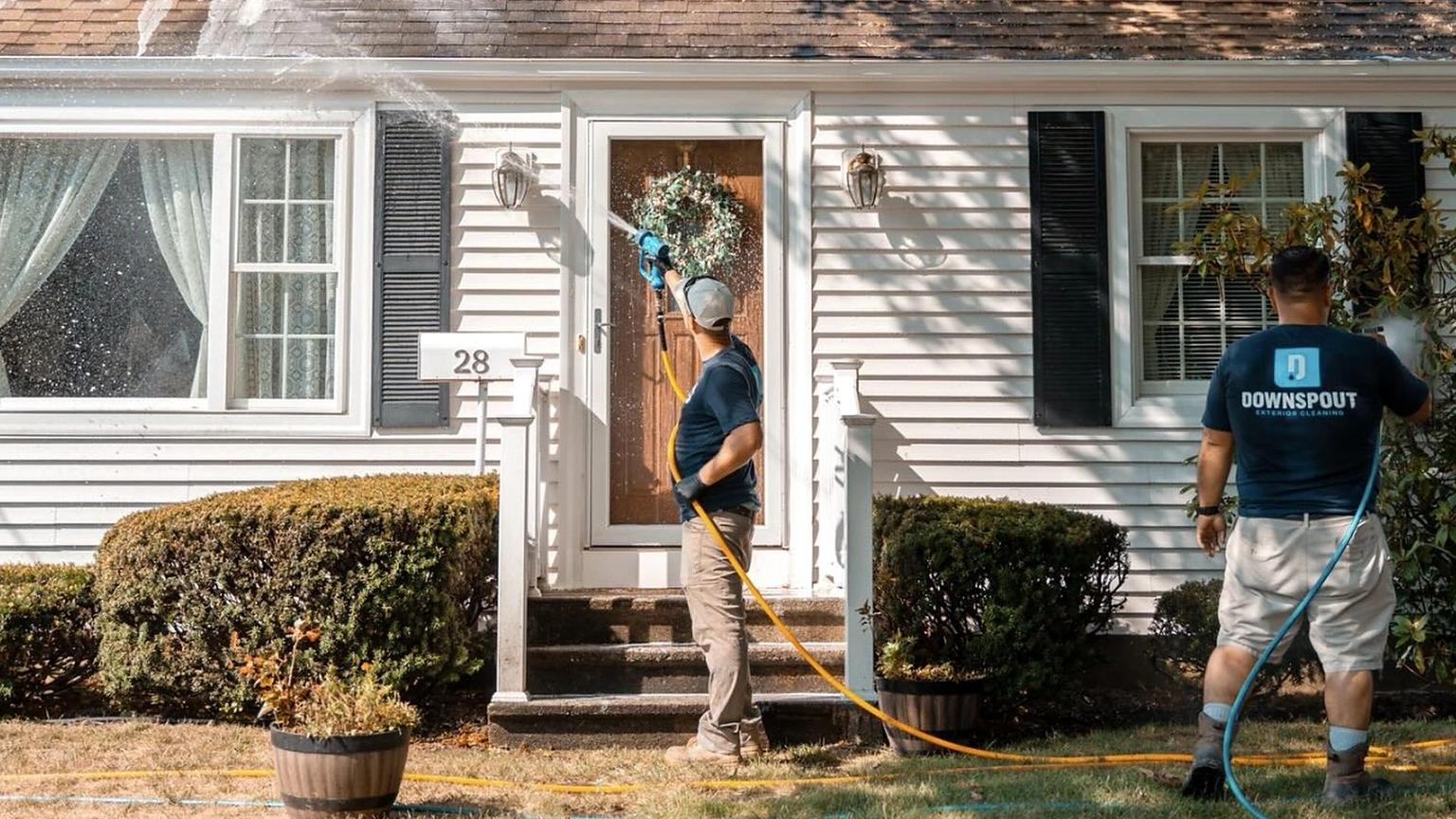
Once the roofline and electrical setup are checked, exterior cleaning should come next. Before you hang Christmas lights, clean the gutters, roofline, siding, and windows so everything goes onto clean, secure surfaces.
Clean Gutters and Downspouts Before Hanging Lights
Clogged gutters are a major cause of roof-edge winter damage. In Rhode Island, fall leaf drop from oak and maple trees can fill gutters fast. When temperatures dip, trapped water and debris can freeze overnight. That can add to ice dams and put stress on the fascia and roof edge.
There’s also a simpler issue: full gutters make clip placement harder. If the edge is packed with debris, holiday light clips may not grip well.
Start by flushing the downspouts and directing runoff 3 to 6 feet away from the foundation.
Once the gutters are clear, move on to the rest of the exterior.
Handle Roof, House, and Window Cleaning While Weather Is Still Workable
After the gutters are clear, clean roof debris, siding, and windows before the lights go up. Dirt, mildew, and algae can weaken adhesive hooks and cause decorations to slip. It’s one of those small prep steps that can save a lot of hassle later.
Clean windows matter too. If there’s salt film or grime on the glass, the display can look dull instead of bright and polished.
Adhesive-based hooks work best when surface temperatures are between 50°F and 90°F. That’s why October is a smart time to get this done. You’ll have better weather for cleaning, and you won’t be fighting cold surfaces when it’s time to install.
Coordinate Holiday Lighting With Professional Exterior Service
Bundling exterior cleaning and holiday light installation into one fall visit can cut extra scheduling back-and-forth and prep the mounting surfaces first.
Downspout Services handles both exterior cleaning and holiday light installation for residential and commercial properties across Rhode Island. Booking both in early fall helps keep the exterior clean and the installation on schedule before cold weather makes the job tougher.
With the exterior cleaned, the next step is figuring out when to book the install before winter weather starts getting in the way.
Conclusion: The Most Practical Time to Put Up Christmas Lights in Rhode Island
For most Rhode Island homeowners and property managers, the best time to install Christmas lights is early November through Thanksgiving. The smart move is to book in September or October so you can lock in a spot before schedules get packed. That also gives you time to wrap up the job before colder weather and busy holiday calendars start getting in the way.
As Thanksgiving gets closer, weather delays become more common. Roof and ladder work also gets more dangerous once snow and ice show up. In Rhode Island, the safest and most practical approach is simple: get the installation done before late-fall weather turns roofs, ladders, and gutters into a hazard.
Before installation, clean your gutters and inspect the roofline so lights can go up on a clean, stable surface. If you want to make fall prep easier, bundle exterior cleaning and holiday light installation into one visit and get ahead of winter.
FAQs
Can I leave Christmas lights up all winter?
It’s not a good idea to leave Christmas lights up all winter. Experts say you should take down outdoor holiday lights within 90 days of putting them up. That helps cut down on damage from rough weather and animals.
If lights stay up too long, moisture, temperature changes, and day-to-day wear can damage the cords and other electrical parts. For safety, use UL-listed lights made for outdoor use, skip nails and staples, and inspect each strand for fraying before you plug it in.
What if the weather turns bad before my install date?
If the weather takes a turn before your scheduled installation, safety comes first. Installers keep a close eye on wind, rain, snow, and extreme cold to protect both your home and the crew.
If conditions aren’t safe, they may move your appointment by a day or two. And for your own safety, never try to handle installation, climb onto the roof, or do gutter maintenance during icy, windy, or hazardous weather.
Should I clean my gutters before hanging lights?
Yes. Clean your gutters before hanging holiday lights so the clips can grip the gutters and roof edges the way they should.
That also cuts down the chance of water backing up. In winter, that backup can lead to ice dams, leaks, safety issues, and damage to your home.