How Clogged Gutters Can Get Your Insurance Claim Denied
Neglected gutters lead to preventable water, foundation, and mold damage insurers will often deny as maintenance-related.
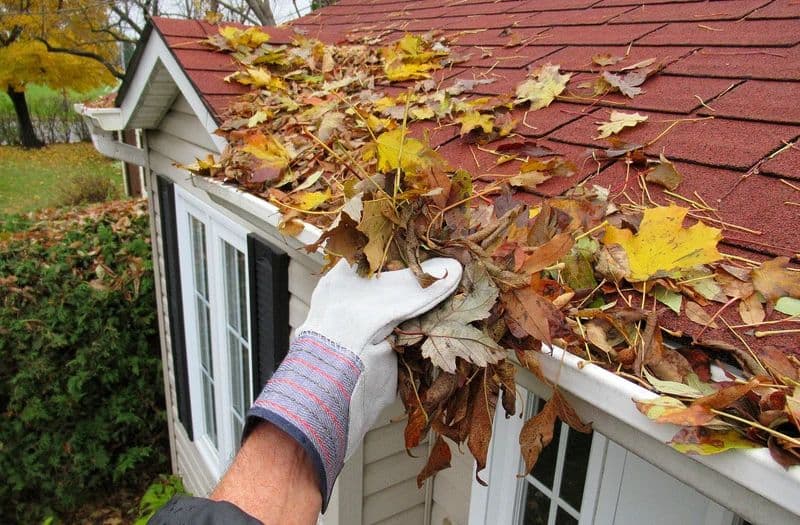
Clogged gutters can lead to costly home damage and leave your insurance claim denied. Why? Insurers often reject claims tied to neglect, and poorly maintained gutters are a top culprit. Overflowing water from clogged gutters can damage foundations, roofs, fascia, soffits, and even cause basement flooding or mold growth. These issues are typically seen as preventable through regular upkeep, making them ineligible for coverage under most policies.
Key points to avoid claim denials:
- Maintenance is essential: Clean gutters at least twice a year (spring and fall) or more often if you live near trees.
- Document your efforts: Take photos, keep receipts, and log maintenance dates.
- Hire professionals if needed: This not only ensures proper gutter cleaning but also provides proof of maintenance.
- Consider gutter guards: They reduce debris buildup and help meet maintenance standards.
Neglecting your gutters isn't just a risk to your home - it's a risk to your wallet. Regular care is simple, cost-effective, and protects your insurance coverage.

How Clogged Gutters Lead to Insurance Claim Denials: Damage Chain and Prevention Steps
Why Your Home Insurance Will Deny Your Water Damage Claim (2026 Update)
sbb-itb-634c8b2
Property Damage Caused by Clogged Gutters
Clogged gutters can lead to rainwater overflowing in ways that cause expensive and escalating damage to your home. While the effects might not be immediate, once the damage starts, it can worsen quickly.
Water Overflow and Foundation Problems
When gutters are blocked, rainwater has nowhere to go but over the edges, pooling around the foundation of your home. This standing water creates hydrostatic pressure, which pushes water through cracks and pores in the foundation.
"Water damages a home's foundation by weakening the surrounding soil and exerting pressure on its walls. Known as hydrostatic pressure, standing water can seep into the foundation's pores and cause breaks." - Amber Guetebier, Contributing Writer, Angi
As the soil around the foundation erodes, the structural support weakens. Water can seep into basements through concrete slabs and joints, and persistent moisture can contribute to the decay of wooden joists and support beams. To prevent such damage, rainwater should be directed at least 10 feet away from the house. Unfortunately, clogged gutters often cause water to collect right where it can do the most harm. Beyond foundation issues, overflowing gutters also jeopardize other key parts of your home.
Damage to Fascia, Soffit, and Roof
Overflowing water saturates the fascia boards, which can warp and weaken the wood, eventually leading to gutter detachment. The soffits, designed to ventilate your roof, can also suffer as trapped moisture accelerates decay and limits airflow.
"Clogged gutters can also cause fascia and soffit damage. Regular maintenance is necessary to prevent debris and other materials from building up, constricting water flow. With nowhere else to go, water will overflow onto fascia and soffits, causing moisture damage." - All Season Gutters
On the roof, standing water can deteriorate shingles and weaken the roof deck. During winter, this issue becomes even more severe when water freezes into ice dams. These ice dams can push melting snow under shingles, causing water to leak into the home and damage insulation, ceilings, and walls. As external components fail, water intrusion can lead to further problems inside the home, such as basement flooding and mold growth.
Basement Flooding and Mold
When water pools around the foundation, it often finds its way into the basement through cracks. The damp environment created by this intrusion is ideal for mold growth, which can spread through drywall, baseboards, and subfloors. This not only compromises structural integrity but also affects indoor air quality.
"Clogged gutters force rainwater to overflow down your home's sides, where it pools around your foundation and seeps into your basement through cracks." - Amber Guetebier, Contributing Writer, Angi
Repairing structural damage or addressing mold issues can be expensive. Additionally, many insurance companies classify this kind of damage as "gradual" or a "maintenance issue", meaning claims for such repairs are often denied. This highlights the importance of regular gutter maintenance to prevent costly and avoidable problems.
Why Insurers Deny Claims Related to Clogged Gutters
Your home insurance policy is designed to safeguard against unexpected disasters, but it doesn’t cover everything. One key area where claims often get denied? Damage caused by clogged gutters. Insurance companies view this type of damage as preventable through regular upkeep. Policies are structured to cover sudden, accidental events - like a burst pipe or a fallen tree - not problems that arise from neglect. Simply put, if you don’t maintain your gutters, any damage caused by them will likely be considered avoidable, leaving you without coverage.
This distinction between accidental damage and neglect is crucial for determining whether your claim will be approved. Adjusters carefully assess the cause of the damage. Was it the result of a recent storm, or has it been building up over time due to poor maintenance? Gradual water damage is often labeled as pre-existing wear and tear, which falls outside the scope of most policies. Understanding this divide can help you navigate your insurance terms more effectively.
Neglect vs. Covered Accidents in Insurance Policies
Insurance policies make a clear separation between damage caused by sudden, accidental events and issues stemming from neglect. For example, events like hailstorms, fires, or a tree limb falling on your roof are typically covered. On the other hand, problems like rust, rot, or clogged gutters are not because they are seen as the result of skipped maintenance.
"If your gutters are clogged with leaves and eventually collapse under the weight, your insurer will likely argue that regular gutter cleaning could have prevented the damage."
– Exo Roofing
In such cases, the responsibility lies with the homeowner to prove they’ve been keeping up with regular maintenance. Most policies explicitly state these requirements, so neglect can easily lead to a denied claim.
Maintenance Requirements in Insurance Contracts
Homeowners' insurance policies often include clauses that demand routine upkeep to keep your property in good shape. Ignoring tasks like gutter cleaning can be seen as a breach of these terms, which could result in your claim being denied - or even your policy being voided. Insurers expect you to proactively inspect and address potential issues, such as slow leaks or ongoing water seepage, before they escalate into major problems.
"Insurers generally consider slow leaks and chronic seepage as a maintenance issue. As a result, they hold the homeowner responsible for addressing the problem before it causes damage."
– Justin Lee Lawrence, Lawrence & Associates Accident and Injury Lawyers, LLC
To stay on top of things, aim to clean your gutters twice a year - once in late spring and again in late fall. Keep records of these efforts, including photos, videos, and receipts, as they can serve as evidence if you ever need to file a claim. This documentation is especially important when you consider that water damage repairs can range from $2,000 to $6,000 on average, with severe cases climbing past $100,000. Regular maintenance not only protects your home but also ensures your insurance coverage remains intact.
Examples of Denied Insurance Claims
These situations highlight how skipping routine gutter maintenance can lead to denied insurance claims and hefty repair bills.
Foundation Damage from Water Pooling
Overflowing gutters can cause water to collect around your home's foundation instead of being directed away by downspouts. Insurers often classify this as preventable damage, which falls outside standard coverage. Homeowners policies typically exclude issues like groundwater seepage or water rising from outside the home. Since this type of damage is avoidable with proper gutter upkeep, claims for foundation cracks caused by water pooling are frequently denied.
The financial stakes are high. While average water damage repairs range from $2,000 to $6,000, fixing severe foundation issues can cost more than $100,000. Insurers view this as a preventable problem - regular gutter cleaning could have redirected water away from the foundation, avoiding these costly repairs.
In colder regions, another common cause of claim denial comes into play: ice dams.
Ice Dams and Winter Roof Damage
In cold climates, clogged gutters create the perfect setup for ice dams. When gutters are blocked with debris, melting snow can’t drain properly and refreezes along the roof’s edge. This leads to heavy ice formations that can damage shingles or even pull gutters away from the fascia.
When reviewing claims, insurance adjusters look for signs of maintenance. Evidence of clogged gutters often points to neglect, which supports claim denial. Even though ice and snow damage may seem like they’re covered, poor upkeep disqualifies the claim. Routine gutter cleaning could have ensured proper drainage, preventing ice dams and the resulting roof damage.
But clogged gutters don’t just harm the exterior of your home - they can also cause internal damage.
Rotting Wood and Siding Damage
Unattended leaks or clogs can lead to water seeping into fascia boards, soffits, and siding. Over time, this causes rot and decay, which insurers categorize as preventable wear and tear. Adjusters carefully evaluate claims for wood rot or siding damage, looking for signs of gradual deterioration - issues that could have been avoided with proper maintenance.
"Insurance companies will use any sign of previous damage or poor maintenance to deny your entire claim."
– Jakub O., Gutter Expert
Proper documentation is key here. Adjusters are trained to differentiate between fresh storm damage and long-term neglect. Without proof of regular maintenance - like photos, receipts, or inspection records - your claim is likely to be denied, leaving you to cover repair costs that could have been avoided with routine gutter cleaning.
Gutter Maintenance Tips to Prevent Damage
Taking care of your gutters isn't just about keeping your home in good condition - it’s also about protecting yourself from potential insurance claim denials. When assessors review claims, they often check for evidence of regular maintenance. Without proper documentation, insurers might reject your claim, leaving you with costly repairs. Regular upkeep not only helps prevent damage but also strengthens your position if you ever need to file an insurance claim. Here's a closer look at when and how to clean your gutters safely to safeguard your home and coverage.
When to Clean Your Gutters
You should aim to clean your gutters at least twice a year, ideally in late spring and late fall after trees have shed their leaves. This schedule aligns with the "reasonable care" standard that many insurance companies expect when evaluating claims.
If your property is surrounded by trees, you’ll likely need to clean your gutters more often. Trees like pines, oaks, and maples drop debris throughout the year, which can clog gutters quickly - even if you’ve recently cleaned them.
To back up your maintenance efforts, keep a log with date-stamped photos or videos. This evidence can help counter claims of neglect if damage occurs. For example, taking photos each spring before storm season can provide proof of your gutters’ condition before any issues arise.
Safe Gutter Cleaning Methods
Safety should always come first when cleaning gutters. Here are some key tips to keep in mind:
- Set your ladder on a flat, stable surface, and make sure it extends at least three rungs above the roofline. Secure the ladder to prevent movement.
- Wear heavy-duty gloves and safety goggles to protect yourself from sharp debris and potential pests.
- Begin at the downspout and work your way upward, scooping out loose debris as you go. Use a bucket secured to the ladder to collect the debris safely.
- After removing debris, use a hose with a pistol-grip nozzle to flush out any remaining dirt. For stubborn blockages in the downspout, try spraying water at full pressure or using a plumber's snake to clear the obstruction.
- Lay down a drop cloth to catch falling debris and protect your landscaping.
One important rule: Never climb onto the roof to clean gutters. It’s not only dangerous but can also damage your shingles.
Professional Gutter Cleaning Services
If cleaning gutters yourself feels like too much of a hassle - or if you want reliable records of maintenance - hiring professionals is a smart option. Professional services provide more than just clean gutters; they also give you documentation, such as receipts and detailed reports, which can help you counter insurance claim denials.
Professionals are trained to spot problems you might overlook, like rotting fascia boards, loose brackets, or roof edge issues. Catching these early allows you to address them before they become costly "pre-existing conditions" that insurers might use to deny future claims. Considering that about one in 60 insured homes files a claim for water damage or freezing each year, having professional documentation can be a game-changer.
For homeowners in Rhode Island and parts of Connecticut, companies like Downspout Services offer professional gutter cleaning along with thorough documentation. Their licensed technicians provide detailed service reports that insurance adjusters recognize as proof of proper maintenance, giving you peace of mind and added protection for your home.
Installing Gutter Guards for Long-Term Protection
Keeping your gutters clean is essential, but if you're looking for a more permanent solution, gutter guards can be a game-changer. When comparing gutter guards vs regular cleaning, guards not only reduce the need for maintenance but also help ensure your home meets the maintenance standards that insurance companies often require.
How Gutter Guards Help
Gutter guards act as a shield, stopping leaves, twigs, and other debris from clogging your gutters while still allowing water to flow through. This prevents debris buildup that could cause overflows, foundation issues, or wood rot - problems often linked to neglected gutters.
By keeping your gutters clear, these guards also prevent them from becoming too heavy and detaching from the fascia board, a common weak point. In fact, quality gutter guards can cut down cleaning needs by up to 95%, reducing the chances of debris accumulating between cleanings.
From an insurance perspective, gutter guards can work in your favor. Most homeowners' policies expect you to take "reasonable care" of your property, and insurers may deny claims if they believe damage could have been avoided with regular maintenance. Gutter guards provide a proactive way to prevent clogs and related damage, making it easier to demonstrate that you've taken proper precautions if you ever need to file a claim.
There are several types of gutter guards, each suited to different needs. For example:
- Micro-mesh guards: These block over 99% of debris, including tiny particles like pine needles and shingle grit, and can handle heavy rainfall - up to 22 inches per hour.
- Screen guards: Ideal for larger debris like leaves and twigs, though smaller particles may still get through.
Choosing the right type depends on your environment. Homes surrounded by pine trees benefit most from micro-mesh guards, while those near oak or maple trees might find perforated steel or screen guards more effective.
To get the most out of gutter guards, proper installation is key.
Professional Installation Services
While some gutter guards are marketed as DIY-friendly, professional gutter guard installation ensures they perform as intended. Poorly installed guards can lead to sagging or drainage problems, which may not be covered by insurance.
Hiring professionals guarantees a precise fit to your roofline and fascia, which is critical for maintaining your warranty and keeping your insurance intact. Plus, experts can spot and fix issues like rotting fascia boards or loose brackets before installation - helping you avoid potential "pre-existing condition" disputes with your insurer.
Companies like Downspout Services offer professionally installed gutter guards and provide documentation, which can be invaluable when proving compliance with maintenance requirements.
Even with gutter guards, it's wise to perform periodic visual inspections, especially after severe weather. Combining reduced debris buildup with professional installation and proper documentation gives you a strong case against negligence-based claim denials, which account for nearly half of gutter damage claims in some areas.
Conclusion
Gutters play a crucial role in shielding your home's foundation, walls, and roof from water damage. Beyond their practical purpose, keeping them clean is often a requirement in many homeowners insurance policies. When claims are filed, adjusters are trained to spot the difference between sudden storm damage and issues stemming from neglect. Unfortunately, many gutter-related claims are denied because of poor maintenance.
The good news? Regular maintenance is simple and cost-effective. Cleaning your gutters twice a year can help you avoid hefty repair bills or claim denials. To stay prepared, document each cleaning with date-stamped photos and receipts. This kind of proof can make a big difference if you ever need to file a claim.
As discussed, consistent maintenance and professional installations not only protect your home but also safeguard your insurance coverage. For those who want a more hands-off approach, professional gutter guards are worth considering. While they typically cost around $1,500, they provide long-term protection and could even lower your insurance premium by 2% to 5%. Plus, these systems often cost less than a single hurricane deductible.
"Spending $1,500 on quality gutter protection beats paying a $2,500 deductible every time a storm hits." - Clean Gutter Protection
FAQs
Will my insurance cover water damage if my gutters were clogged?
Insurance typically covers water damage resulting from sudden and unforeseen events, such as storms or falling debris. On the other hand, damage caused by clogged gutters is usually not covered, as it's often seen as the result of neglect or inadequate maintenance. Keeping your gutters clean and well-maintained can help avoid problems and ensure your coverage remains intact.
What proof should I keep to show I maintain my gutters?
To show that you’re keeping up with gutter maintenance, it’s a good idea to keep records. This can include photos of clean gutters, receipts or invoices from professional cleaning services, and documentation of scheduled maintenance. These records highlight regular upkeep and inspections, which can protect you from insurance claim denials that might result from neglect. Keeping this evidence proves you’re taking steps to care for your property responsibly.
Do gutter guards help prevent insurance claim denials?
Gutter guards play a key role in reducing the likelihood of clogged gutters, which are a common cause of water damage and structural problems. Insurance companies might reject claims if these issues stem from poor maintenance. By helping to prevent clogs, gutter guards make it easier to maintain your gutters and reduce the risk of claims being denied due to neglect.