How to Clean Gutters with Non-Toxic Solutions
Clean gutters safely with vinegar, baking soda, and biodegradable soap; follow ladder safety, use proper tools, add guards, or call pros.
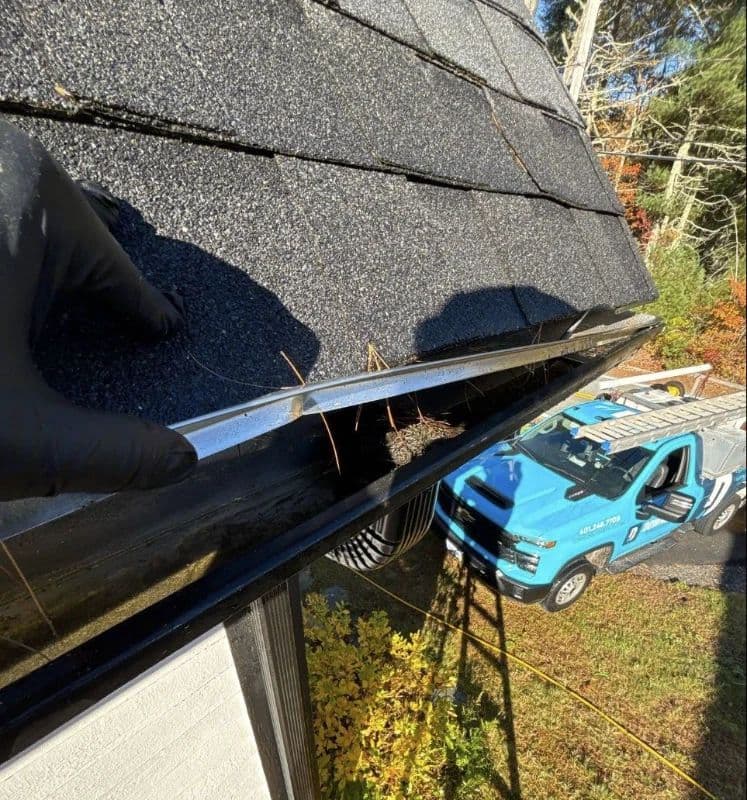
Cleaning your gutters doesn't have to harm the environment or your health. By using non-toxic solutions like vinegar, baking soda, and dish soap, you can effectively remove debris, grime, and stains while protecting plants and soil near your home. Here's a quick guide to eco-friendly gutter cleaning:
- Safety First: Use a stable ladder, wear gloves, safety glasses, and non-slip shoes. Avoid power lines and overreaching.
- Tools You’ll Need: Gutter scoop, bucket, garden hose, stiff brush, and natural cleaning ingredients (vinegar, baking soda, lemons, etc.).
-
Step-by-Step:
- Remove debris manually with a scoop or trowel.
- Spray gutters with a vinegar-water mix to cut through grime.
- Use baking soda paste for stains and dish soap for greasy residue.
- Scrub rust with lemon and salt.
- Rinse thoroughly and check for clogs or damage.
Deciding between gutter guards vs regular cleaning can help reduce future maintenance and prevent blockages. For complex issues like sagging gutters or severe clogs, professional services may be a safer option. Downspout offers a variety of exterior cleaning services to handle these tasks safely. Regular cleaning (twice a year) and eco-friendly methods keep your gutters functional and your landscaping healthy.
Safety Precautions and Required Tools
Safety Tips for Gutter Cleaning
Ladder safety should always come first. Falls are a leading cause of injuries during home maintenance, with the Centers for Disease Control and Prevention (CDC) highlighting falls as a common cause of traumatic brain injuries (TBIs). To minimize risks, ensure your ladder is placed on solid, level ground. Use a stabilizer to keep it steady and prevent damage to your gutters. It's also a good idea to have someone hold the ladder for added stability. Avoid leaning too far out - move the ladder as needed instead of overreaching.
Don’t forget protective gear. Heavy-duty gloves can shield your hands from sharp edges and unexpected encounters with pests. Safety glasses will protect your eyes from flying debris or water spray. Wear non-slip shoes to maintain secure footing, and always be mindful of overhead power lines, as water and metal tools can conduct electricity. If working at heights makes you uncomfortable, consider safer alternatives like telescoping wands or gutter vacuums that allow you to clean from the ground.
Once you've taken these precautions, gather the tools and materials you'll need for residential rain gutter cleaning effectively.
Tools and Materials for Non-Toxic Cleaning
For a smooth cleaning process, have the following essentials ready:
- A sturdy ladder with rubber feet for stability
- A gutter scoop or gardening trowel for removing debris
- A bucket with a hook to keep your hands free
- A garden hose with an adjustable spray nozzle for rinsing
- A stiff brush to tackle stubborn grime
For an eco-friendly approach, use household items like white vinegar, baking soda, biodegradable dish soap, lemons, and salt. These natural ingredients are effective against issues like rust and mineral buildup while being safe for plants and soil. Lay down a tarp to collect debris, and consider composting organic waste to protect your landscaping and reduce waste.
sbb-itb-634c8b2
🧹 Gutter Cleaning Made Easy | How to Clean Your Own Gutters Safely
How to Clean Gutters with Non-Toxic Solutions

6-Step Guide to Cleaning Gutters with Non-Toxic Solutions
Step 1: Remove Debris Manually
Start by clearing out debris near the downspout and work your way outward. Use a gutter scoop or gardening trowel to remove leaves, twigs, and other buildup. To keep your yard tidy, collect the debris in a bucket or place it on a tarp below.
For tight clogs, try a flexible tool like a bent wire hanger or a piece of vinyl tubing with a handle to loosen compacted material. If the downspout is blocked, remove its extension or elbow before flushing it to avoid pushing the clog deeper. You can also lightly tap the downspout with a rubber mallet - this "Elbow Tap Test" can help pinpoint blockages.
Step 2: Prepare a Vinegar and Water Solution
Mix equal parts white vinegar and warm water in a spray bottle or bucket. This simple mixture is a safe, non-toxic way to cut through grime, grease, and mineral buildup. For tougher cleaning jobs, add a tablespoon or two of biodegradable dish soap for extra power.
"Vinegar is suitable for cutting through grease and grime, and it can also keep mildew at bay, reduce rust, and break up mineral deposits." – LeafFilter
Spray the mixture generously inside the gutters or apply it with a cloth. For stubborn algae or mildew, use undiluted vinegar directly on the affected spots. Always test on a small, hidden area first to ensure compatibility.
Step 3: Remove Stains with Baking Soda Paste
To tackle stains, mix three parts baking soda with one part water to create a thick paste. This paste works as a gentle scrubber, lifting grease and grime without relying on harsh chemicals. Apply it to stained areas, let it sit for 15–20 minutes, then scrub in circular motions.
"Baking soda is a mechanical cleaner, which means it removes grime and lifts grease by scrubbing and absorbing, instead of using a chemical petroleum-based solvent to break down the stain." – Healthier Homes
This method is safe for most gutter materials and won’t damage protective coatings.
Step 4: Use a Dish Soap Mixture for Grease
For gutters with greasy residue from decomposed leaves or organic matter, mix one to two tablespoons of biodegradable dish soap into a gallon of warm water. This solution is especially effective for breaking down sticky buildup. You can also combine the dish soap with your vinegar solution for a cleaner that tackles both grease and mineral deposits. After addressing the grease, you can shift focus to any rust issues.
Step 5: Scrub Rust with Lemon and Salt
To remove rust naturally, cut a lemon in half and dip it in salt. Use this salted lemon to scrub rust spots directly - the citric acid and salt work together to dissolve rust and mineral deposits. However, avoid using this method on aluminum, copper, or galvanized gutters to protect their finish. For more stubborn rust, create a paste by mixing one teaspoon of cream of tartar with ¼ cup of baking soda and enough hydrogen peroxide to make it spreadable.
Step 6: Rinse Gutters and Inspect Results
Once the cleaning is complete, rinse the entire gutter system with a garden hose fitted with an adjustable spray nozzle. Start at the highest point of the gutter and move toward the downspout to flush out debris and residue. To ensure proper flow, perform a "hose flow test" by running water through each downspout and checking that it exits freely at the bottom. After rinsing, inspect the gutters for clogs, leaks, or any damage that may have been uncovered during cleaning. Regular gutter maintenance, ideally in mid-spring and mid-fall, can help prevent costly water damage and keep your system functioning properly.
Prevention with Gutter Guards
Once you've cleaned your gutters thoroughly, the next step is keeping them that way. A practical solution? Installing gutter guards to minimize future debris buildup.
Benefits of Installing Gutter Guards
Gutter guards act like a protective shield over your gutters, letting water flow through while keeping out leaves, pine needles, twigs, and other debris. While they don’t eliminate maintenance entirely, they make it much easier. Instead of frequent, labor-intensive cleanings, you’ll only need to brush off surface debris occasionally. Micro-mesh guards are especially effective, blocking 90–95% of debris. With these in place, you can extend deep cleanings to every two years instead of the usual twice-a-year schedule for unprotected gutters.
Aside from cutting down on cleaning, gutter guards also protect your home by preventing water overflows. This helps safeguard your foundation, siding, and fascia boards from potential water damage.
Even with gutter guards, regular checks are still a good idea. Twice a year - typically in mid-spring and mid-fall - inspect for issues like water spilling over the edges, sagging gutters, or even plants sprouting on top of the guards. You can easily clear most surface debris using a soft-bristle brush or a garden hose with a spray nozzle, eliminating the need for ladders or harsh cleaning chemicals.
Professional Installation Options
For the best results, many homeowners turn to professionals for gutter guard installation. A professional ensures the guards are properly fitted, leaving no gaps and aligning them perfectly with your roof’s pitch and gutter size. This precise fitting prevents water from overshooting during heavy rains and stops debris from sneaking through.
Downspout Services specializes in expert gutter guard installation, offering a precise fit that provides long-term protection for your home. While professional installation costs range between $18 and $40 per linear foot, it’s a worthwhile investment. It reduces the need for frequent cleanings, which typically cost $120 to $235 per visit, and greatly minimizes the risks associated with climbing ladders.
When to Call Professionals Like Downspout Services

While DIY gutter cleaning with non-toxic methods can handle routine maintenance, there are times when professional help becomes necessary. Certain issues demand expertise to safeguard your home and ensure thorough, safe cleaning.
Signs You Need Professional Help
If water overflows during moderate rain or remains stagnant for more than 20 minutes, that’s a clear sign of a blockage. Similarly, sagging gutters pulling away from the roofline could mean debris and water buildup have added too much weight. Other warning signs include pooling water near your home’s foundation, soil erosion around the perimeter, or dampness in your basement - all of which point to drainage problems. Mold or mildew on exterior walls, or even plants sprouting in your gutters, are indications that the situation has gone beyond a simple fix.
Here’s an easy test: tap your downspouts with a rubber mallet. A hollow, metallic sound means the path is clear. A dull thud, however, suggests compacted debris that likely requires professional removal. Multi-story homes add another layer of risk - ladder-related injuries send about 500,000 people to emergency rooms in the U.S. annually, with falls from over 10 feet resulting in 300 fatalities. Professional gutter cleaning typically costs between $218 and $470, but neglecting maintenance could lead to foundation repairs costing anywhere from $3,000 to $10,000.
When these signs appear, it’s time to move from DIY solutions to professional services.
Why Choose Downspout Services
Downspout Services offers the specialized skills and tools needed to tackle these challenges. Serving Rhode Island and parts of Connecticut, they use industrial-grade vacuum systems with over 120 CFM - far more powerful than standard residential shop vacs - to clear debris effectively and without harmful runoff. Their eco-friendly approach includes biodegradable detergents, soft brushes, and low-pressure rinsing to clean gutters safely and responsibly [4,16].
Beyond cleaning, their technicians can spot hidden issues like leaks, roof damage, or structural problems that could lead to expensive repairs if ignored. They also handle more complex tasks, such as clearing underground drainage blockages, using hydro-jetting equipment to reach areas standard hoses can’t. For multi-story homes, seasonal freeze-thaw cycles, or persistent blockages, their fully insured team ensures problems are resolved safely and efficiently - well beyond what DIY methods can achieve.
Conclusion
Keeping your gutters and landscaping in top shape can be simple and environmentally friendly. Using everyday items like vinegar, baking soda, dish soap, and lemon-salt offers an effective way to clean without relying on harsh chemicals. Plus, composting organic debris, like leaves and twigs, keeps waste out of landfills and benefits your garden at the same time.
Staying on top of regular maintenance - like cleaning twice a year - and adding micro-mesh gutter guards can help prevent costly repairs and reduce the risk of ladder-related accidents. However, for more complicated problems, turning to professionals can make all the difference. Services like Downspout Services use industrial-strength, eco-conscious techniques to clear debris and uncover hidden damage.
Whether you choose to handle the task yourself or call in the experts, using non-toxic methods helps protect your home and the environment. With routine inspections, safe cleaning practices, and the right tools, you can ensure your gutters stay functional and your landscaping thrives year-round.
FAQs
Are vinegar and baking soda safe for plants?
Vinegar and baking soda can be safe for plants when used properly in homemade, non-toxic cleaning solutions. These natural ingredients are gentle on the environment and generally pose little risk to plants or wildlife. Because of their eco-friendly nature, they are often included in DIY cleaning recipes, making them a solid option for cleaning gutters without harming nearby vegetation.
What gutter materials should avoid lemon and salt?
Lemon and salt can lead to corrosion and damage when used on certain gutter materials, particularly metals like aluminum or copper. To minimize the risk of wear and tear, steer clear of these substances on metal gutters or any surfaces that are sensitive to acidic or abrasive cleaners.
How do I know if a clog is beyond DIY?
If you’re dealing with a clog that’s waterlogged, deeply compacted, or stuck in tricky spots like pipe elbows or underground drains, it might be more than a DIY fix. Common warning signs include standing water that refuses to drain, debris packed so tightly it’s immovable, or situations where advanced tools like hydro-jetting are necessary. When basic cleaning methods don’t work, or the blockage is buried deep in the system, it’s best to call in a professional to avoid causing further damage.