DIY vs Professional Cleaning: Cost Breakdown
Compare DIY and professional exterior cleaning costs, time, and risks to decide which saves money and protects your home.
When deciding between DIY and professional exterior cleaning, it boils down to cost, time, and risk. DIY might seem cheaper upfront, but equipment rentals, cleaning supplies, and your time can quickly add up. Mistakes, like damaging siding or causing water intrusion, can lead to expensive repairs. Professionals, while pricier, bring expertise, insurance, and efficiency, often saving you money and hassle in the long run.
Key Takeaways:
- DIY Costs: Pressure washer rentals ($40–$120/day), cleaning supplies ($20–$60/project), and 8–10 hours of labor per session.
- Professional Costs: House washing ($250–$900), roof cleaning ($300–$900), with liability insurance included.
- Risks: DIY mistakes can lead to repairs costing $800–$10,000. Professionals minimize risks and ensure warranties remain valid.
- Time: DIY takes a full day; professionals finish in 3–4 hours.
Quick Tip: For small, low-risk tasks, DIY may work. For complex jobs or delicate surfaces, hiring professionals is safer and more cost-effective.

DIY vs Professional Exterior Cleaning: Full Cost Breakdown
DIY Cleaning Costs
DIY exterior cleaning might seem like an affordable choice at first glance. But once you factor in equipment purchases, recurring expenses, the value of your time, and the possibility of costly mistakes, the savings might not be as substantial as they appear.
Upfront Equipment and Supply Costs
The initial investment in equipment is where the costs start to add up.
The most significant expense is the pressure washer itself. A basic consumer-grade model can cost between $100 and $500, while higher-quality residential units range from $300 to $600. Renting is another option, with gas-powered units (around 3,000 PSI) running $80 to $120 per day and electric models costing $40 to $60 per day.
In addition to the pressure washer, you’ll need safety gear like gloves, goggles, and non-slip boots, which can cost $40 to $80. To tackle specific surfaces effectively, you may also need attachments such as surface cleaners or extension wands, priced at $20 to $40.
Once you’ve accounted for these initial expenses, you’ll still face ongoing costs every time you clean.
Per-Clean and Recurring Expenses
Every cleaning session comes with its own set of expenses. Detergents and cleaning solutions, depending on the surface, range from $20 to $60 per project. Water usage adds about $1 per hour, and fuel or electricity typically costs $1 to $2 per hour.
And then there’s your time. A standard DIY house wash vs pressure washing project can take 8 to 10 hours, which is essentially a full day of labor. That’s time you could spend on other priorities or even leisure activities.
"The price difference between DIY and professional is $150–$350 for most jobs... DIY can easily cost more than professional service once you factor in risk." - Diamond Power Washers
Recurring costs are only part of the equation; the hidden risks of DIY cleaning can lead to far more expensive consequences.
Hidden Costs and Safety Risks
The most significant financial risks come from potential mistakes. Misusing a pressure washer - like using the wrong soft wash or pressure wash methods - can damage surfaces. For example, cracking or warping vinyl siding can result in repairs costing $800 to $2,000. Damaging a wood deck might require $1,500 to $4,000 for refinishing, while etched concrete can cost $2,000 to $5,000 to resurface.
Water intrusion is another overlooked danger. High-pressure water can seep into gaps around windows or siding, leading to moisture problems and even mold growth. Remediation for such issues can range from $2,000 to $10,000. And let’s not forget the risk of personal injury. Pressure-related accidents could result in emergency room visits, which may cost anywhere from $500 to $3,000.
Unlike professional services, DIY projects don’t come with liability coverage. This means you’ll bear the full financial burden for any damage or injuries that occur during the process.
sbb-itb-634c8b2
Professional Cleaning Costs
Opting for professional exterior cleaning may cost more upfront, but it comes with a package deal: specialized equipment, high-quality cleaning solutions, fuel, insurance, and expertise tailored to your property's needs.
Pricing Models and What They Cover
Professional cleaning companies generally follow one of two pricing models: flat-rate options for standard homes or per-square-foot pricing for larger or more complex properties. Flat rates work well when the scope of work is predictable, while per-square-foot pricing offers better accuracy for homes with unique layouts or for commercial spaces.
For soft washing services, residential pricing typically ranges from $0.25 to $0.30 per square foot, which translates to around $500–$600 for a 2,000-square-foot home. This price includes labor, eco-friendly cleaning solutions, equipment, and insurance. It’s not just about showing up with a hose; the cost reflects a professional-grade service.
Reputable companies also provide at least $2 million in general liability insurance and workers' compensation. This added protection is something you won’t get with a DIY rental. Always ask for proof of coverage before the work begins.
Most services also have a minimum trip fee, ranging from $100 to $250, to cover travel, setup, and mobilization. If you’re booking a smaller job, this fee can make the service seem pricier. However, bundling services - like combining house washing with gutter cleaning - can often save 10% to 15%, thanks to efficiency gains.
These pricing structures lay the groundwork for understanding how costs vary by service type.
Cost by Service Type
Here’s a breakdown of typical costs for common exterior cleaning services:
| Service | Typical Price Range | Cost Drivers |
|---|---|---|
| House Washing | $250 – $900 | Number of stories, siding material |
| Roof Washing | $300 – $900 | Roof pitch, material (shingle vs. cedar shake) |
| Gutter Cleaning | $150 – $480 | Linear footage, height, gutter guards vs. regular cleaning |
| Driveway/Hardscape | $100 – $500 | Square footage, oil or grease staining |
| Deck/Fence | $150 – $500 | Wood condition, accessibility |
Several factors can drive prices toward the higher end of these ranges. Multi-story homes often cost 30% to 50% more than single-story homes due to the additional ladder work and safety measures required. The surface material also plays a role - vinyl siding is the cheapest to clean, while stucco and wood demand more careful soft-wash treatments and stronger cleaning agents. This is especially true in humid coastal areas like Rhode Island, where organic growth can spread quickly.
"When you hire us, you aren't just paying for water; you're paying for the peace of mind that your largest investment is in expert hands." - JD Powerwashing
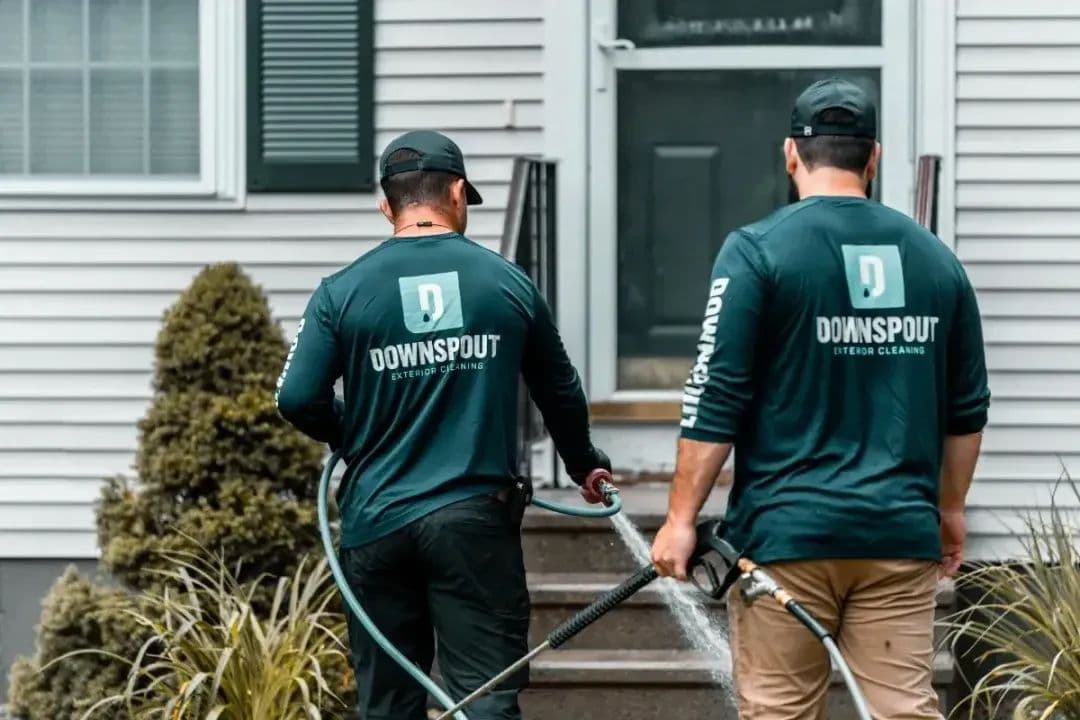
Downspout Services offers a wide range of exterior cleaning options for residential and commercial properties across Rhode Island and parts of Connecticut. Their services include house washing, roof washing, gutter cleaning, deck cleaning, and more - all backed by full insurance coverage and free estimates.
These cost details provide a solid foundation for comparing professional services with DIY alternatives in terms of long-term value.
Long-Term Cost Comparison: DIY vs Professional
When it comes to exterior cleaning, the initial price tag tells only part of the story. The real cost unfolds over time, shaped by how effectively each cleaning method preserves your home's exterior.
How Cleaning Methods Affect Surface Lifespan
The cleaning method you choose can have a long-term impact on the condition of your home's surfaces. DIY cleaning often relies on high-pressure systems rented from hardware stores. While these systems may remove visible dirt, they often fail to address the root cause of the problem - mold and algae. These biological growths remain embedded beneath the surface, ready to regrow more aggressively after each cleaning.
"High-pressure washing at rental PSI levels might look clean immediately after, but it leaves the biological root system intact beneath the siding. Growth returns faster and more aggressively each cycle." - J.O.'s Exteriors
Professional soft washing, on the other hand, uses specialized cleaning agents (surfactants) combined with low-pressure water to target and eliminate organic growth at its source. This approach can keep surfaces clean for 3–5 years, compared to the 6–12 months typical of DIY methods. This difference is especially critical in humid regions like Rhode Island, where moisture accelerates algae and mold growth.
Take, for example, the black streaks caused by algae (Gloeocapsa magma) on asphalt shingles. These streaks not only hurt your home's curb appeal but also trap heat, which can shorten your roof's lifespan. According to the Roofing Industry Association, removing these streaks "not only improves curb appeal but also extends the roof's lifespan". Clearly, the cleaning method you choose plays a big role in the long-term costs of maintaining your home.
Time Investment and Opportunity Cost
DIY cleaning may seem cost-effective at first glance, but the time commitment tells a different story. Cleaning a 1,500–2,000 sq. ft. home yourself can take 8–10 hours, including setup and cleanup. A professional team, by contrast, can usually finish the same job in just 3–4 hours.
Now, let’s talk numbers. At the U.S. median hourly wage of $25.01, those 8 hours of DIY labor represent about $200 in lost value. Add $170–$300 for equipment and cleaning supplies, and the DIY total climbs closer to the $350–$600 range for professional services. When you factor in the time saved and the reduced risk of mistakes, the gap between DIY and professional cleaning narrows significantly.
Mistakes, Rework, and Warranty Risks
DIY cleaning comes with risks that may not be visible right away. High-pressure water can seep behind your home's siding or into window seals, trapping moisture. Over time, this can lead to wood rot, mold, and other costly repairs. These hidden damages can cost hundreds - or even thousands - of dollars to fix, far outweighing the initial savings of a DIY approach.
Another issue? Using high-pressure equipment on materials like vinyl siding or asphalt shingles can void manufacturer warranties. Most warranties specify low-pressure or soft-wash methods to maintain coverage. A single mistake with a rental pressure washer could leave you without warranty protection.
"Professional service isn't expensive - it's insurance against costly mistakes." - Diamond Power Washers
Hiring a professional service doesn’t just save time - it also shifts liability. Reputable contractors carry general liability insurance, meaning any accidental damage is covered by their policy, not yours. This added layer of protection can make professional cleaning a safer, smarter investment in the long run.
For homes that need expert care, Downspout Services offers professional soft washing designed to safeguard your home's appearance and structural integrity for years to come.
When DIY Saves Money vs When Professional Pays Off
When DIY Makes Sense
Choosing between DIY and professional cleaning often comes down to the complexity of the task and the risks involved. For smaller, straightforward jobs, DIY cleaning is a practical and budget-friendly option. Tasks like rinsing off patio furniture, cleaning outdoor grills, washing garden tools, or giving a single-story concrete patio a quick wash don’t typically require fancy equipment or specialized skills. Plus, the cost of basic cleaning supplies tends to stay low.
If the job is simple, low-risk, and at ground level, DIY can save you money without much hassle.
When Hiring a Professional Is Worth It
Things get trickier when the cleaning involves heights, delicate materials, or stubborn grime. Jobs like roof cleaning, washing multi-story buildings, or handling fragile surfaces (think stucco or painted wood) are better left to the pros. Rental equipment often lacks the precision needed for these tasks, and a small mistake - like forcing water behind siding - can lead to costly problems like mold or structural damage. Those repair bills? They’ll easily cancel out any savings from going the DIY route.
Safety is another big factor. In 2023, around 500,000 people ended up in the ER due to ladder-related injuries. Add the recoil from a pressure washer, and you’re looking at a recipe for disaster if you’re balancing on a ladder. Professionals not only bring the right equipment but also the expertise to avoid these risks. Plus, using high-pressure tools incorrectly can void warranties on sensitive materials, leaving you unprotected if something goes wrong.
If you’re prepping your home for sale, professional cleaning becomes even more important. DIY mistakes, like surface damage, can raise red flags during inspections, potentially lowering your asking price or complicating the sale process.
A Simple Decision Framework for Homeowners and Property Managers
To help you decide between DIY and professional cleaning, here’s a quick decision-making guide. It highlights when it’s safe to go DIY and when it’s smarter to call in the experts:
| Question | DIY (Low-Risk) | Hire a Pro (High-Risk) |
|---|---|---|
| Is the surface delicate? (e.g., roof, stucco, old wood) | No | Yes |
| Is the area large or multi-story? | No | Yes |
| Is there heavy mold, algae, or lichen? | No | Yes |
| Are you preparing the home for sale? | No | Yes |
For many homeowners, a blended approach works best. Handle smaller, routine maintenance tasks yourself to save money, but schedule professional cleanings once or twice a year for the tougher jobs. This way, you balance cost savings with the long-term care of your home.
If you live in Rhode Island or Connecticut, where humidity often leads to mold and algae buildup, Downspout Services offers expert exterior cleaning. From roof washing to gutter cleaning, they provide insured services and free estimates for peace of mind.
Conclusion: Picking the Right Cleaning Option for Your Budget
Selecting the best cleaning option comes down to three main considerations: the size and complexity of the job, the type of surfaces being cleaned, and the potential costs of repairs if something goes wrong. Tasks that are straightforward and at ground level might be fine for a DIY approach. But when the job involves heights, delicate materials, or stubborn buildup, hiring professionals is often the safer and smarter choice.
Looking at costs further supports this idea. For example, routine gutter cleaning typically runs between $119 and $300, which is a small price to pay compared to foundation repairs that can easily exceed $10,000. Similarly, soft washing a 2,000-square-foot home in Rhode Island costs about $500–$600, which is far less than the cost of replacing siding or shingles damaged by improper use of high-pressure washing.
"Soft washing not only improves your home's curb appeal but also extends the life of your siding, roof, and other exterior surfaces by removing harmful contaminants." - Downspout Services
This ties back to earlier points about the long-term benefits of professional cleaning and the reduced risks it offers. Bundling services, like combining gutter cleaning with roof washing, can also cut annual costs by 10–15%, making it an even more budget-friendly option. For homeowners in Rhode Island and Connecticut, where coastal moisture, road salt, and tough winters can accelerate wear and tear, scheduling cleanings in spring and fall is the best way to keep your property in top shape year-round.
If you're in Rhode Island or nearby parts of Connecticut, Downspout Services provides free estimates, fully insured work, and a wide range of services, including gutter cleaning, roof washing, and paver sealing. It’s a reliable way to protect your property without breaking the bank.
FAQs
Is soft washing safer than pressure washing?
Soft washing is a gentler option for surfaces like roofs, vinyl siding, stucco, and painted wood. Instead of relying on the high force of pressure washing (1,500–4,000 PSI), it uses low pressure (under 500 PSI) combined with specialized cleaning solutions to tackle mold, algae, and bacteria. This approach minimizes the risk of structural damage and helps prevent biological regrowth, offering cleaner surfaces that stay that way longer.
How often should I schedule professional exterior cleaning?
For residential surfaces such as siding and roofs, it's generally advised to clean them every 1–2 years. This helps prevent the accumulation of salt, pollen, and debris. If your home is surrounded by dense trees or is exposed to certain local conditions, you might need to clean more often. Gutters, on the other hand, should be cleaned twice a year - once in spring and again in fall - to keep them functioning properly and avoid potential damage. Downspout Services provides expert care to help maintain your property with ease.
What should I ask a cleaning company before hiring?
Before making a hiring decision, make sure the company is fully licensed and insured. To verify this, ask for a Certificate of Insurance directly from their provider. It's also worth confirming whether they perform background checks on their technicians for added peace of mind.
Take time to understand their cleaning methods and ensure they’re appropriate for the surfaces in your home or business. Request a detailed, itemized quote so you know exactly what you're paying for. Additionally, check if they provide a satisfaction guarantee and ask for references from previous customers to gauge their reliability and quality of work.