How to Remove Algae Stains from Your Roof
Safe steps to remove and prevent roof algae using oxygen or diluted bleach, soft-wash rinses, zinc/copper strips, and improved ventilation.
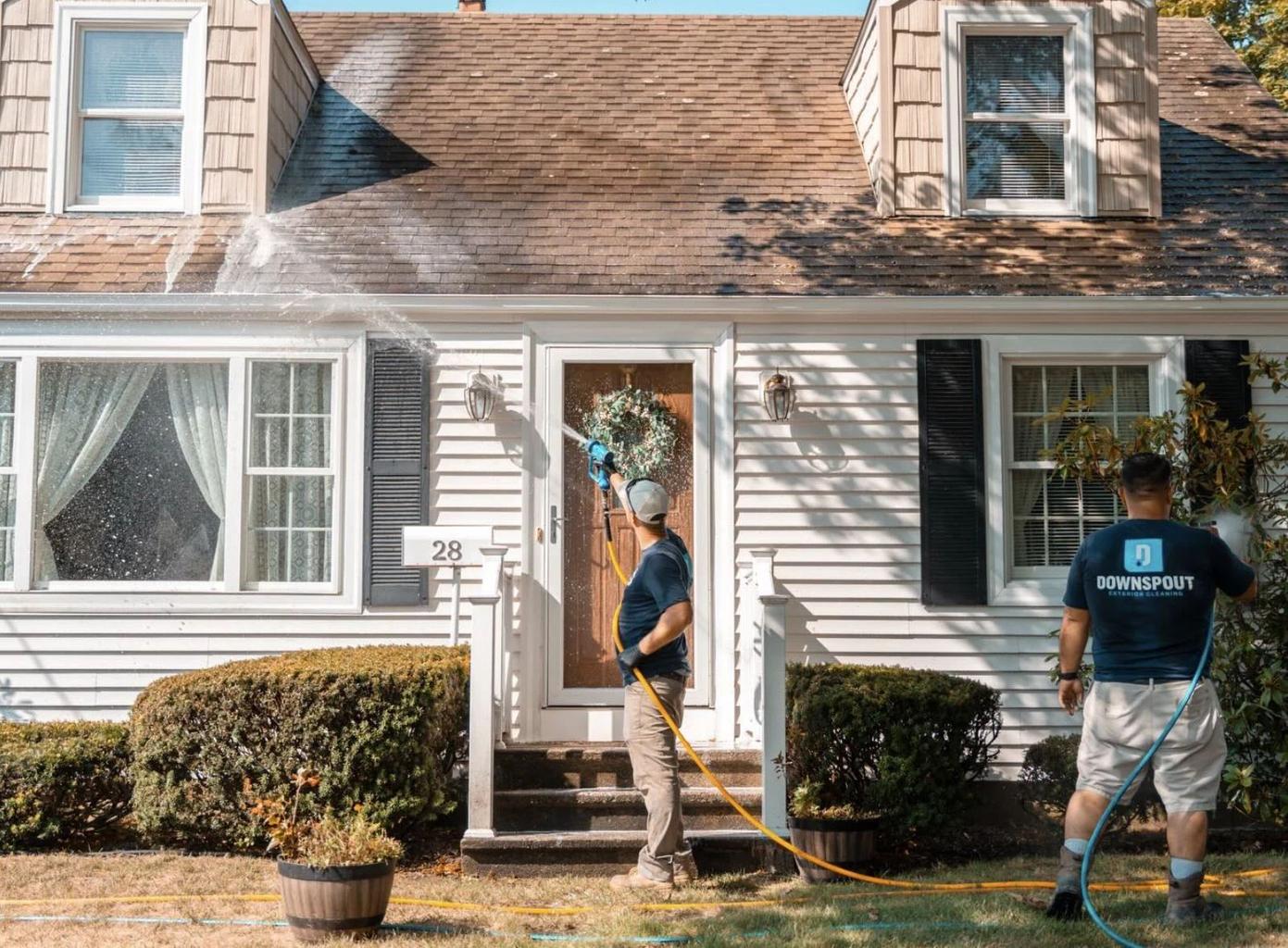
Algae stains on your roof are not just an eyesore - they can damage shingles, increase cooling costs, and reduce your home's value. These stains are caused by moisture-loving algae (Gloeocapsa magma) that thrive on limestone in asphalt shingles, especially in shaded or humid areas. Removing them safely and preventing regrowth is key to protecting your roof.
Quick Steps to Remove Algae Stains:
- Tools Needed: Ladder, garden hose, soft brush, safety gear, and cleaning solutions (oxygen bleach or chlorine bleach).
-
Cleaning Methods:
- Use oxygen bleach for a safer, eco-friendly option.
- For tougher stains, apply a diluted chlorine bleach solution.
- Avoid high-pressure washing vs. soft washing to prevent shingle damage.
- Safety Tips: Work in dry weather, wear protective gear, and avoid stepping on wet algae.
Prevention Tips:
- Install zinc or copper strips to deter algae growth.
- Improve attic ventilation to reduce moisture.
- Trim overhanging branches and clean gutters regularly.
For steep roofs or stubborn stains, professional services like Downspout Services offer safe cleaning methods, including soft washing, with a satisfaction guarantee. Tackle algae stains now to extend your roof's life and maintain its appearance.
Removing Algae Stains From Roof Shingles
sbb-itb-634c8b2
Tools and Safety Precautions
Before tackling algae stains on your roof, make sure you have the right tools and a solid safety plan. Black algae streaks are a common issue, currently affecting about 80% of residential and business roofs. While you’re not alone in facing this problem, preparation is key to handling it safely and effectively.
Required Tools
To clean your roof properly, you’ll need both cleaning equipment and protective gear. Here’s what to have on hand:
- Extension ladder: Essential for safe access to your roof.
- Garden hose with a sprayer attachment or a pump sprayer: Ideal for applying cleaning solutions evenly.
- Soft-bristle or long-handled brush: Gentle enough to loosen algae without damaging shingles.
- Leaf blower: Useful for clearing debris like leaves and twigs before you begin cleaning.
Don’t skip on safety gear. A well-fitted safety harness, impact-resistant goggles, and slip-resistant footwear are must-haves to reduce the risk of falls. When working with chemical cleaners, protect yourself further with a respirator or mask to avoid inhaling fumes, as well as protective gloves and long sleeves. For cleaning solutions, you can choose between oxygen-based eco-friendly cleaners, chlorine bleach-based options, or specialized commercial algae removers.
Safety Tips for Working on Your Roof
Roof work comes with risks, so taking precautions is non-negotiable. A critical rule: never step directly on wet algae or moss. These surfaces are extremely slippery and can easily lead to accidents. Kylie Hunt from Roof Maxx emphasizes this point:
"Be extremely careful not to step on wet algae or moss, as it is very slippery and has the potential to cause an accident."
Timing matters, too. Aim to clean your roof during dry, warm weather, preferably in spring or summer, so the roof dries quickly and you avoid dealing with wind or rain. Protect your landscaping by covering nearby plants with tarps and watering them generously before, during, and after cleaning to dilute any chemical runoff. When scrubbing or rinsing, always work in a downward motion to avoid damaging shingles. If you’re using a pressure washer, stick to a low-pressure or "soft wash" setting to prevent stripping away shingle granules or causing other damage.
With the right tools and these safety precautions in place, you’ll be ready to take on those algae stains confidently and safely.
How to Remove Algae Stains from Your Roof

Step-by-Step Guide to Removing Algae Stains from Your Roof
Removing algae stains from your roof is manageable with the right tools and safety precautions. The best cleaning method depends on how tough the stains are and the type of roof you have. Each approach offers its own benefits, so choose the one that suits your situation.
Cleaning with Oxygen Bleach
Oxygen bleach (sodium percarbonate) is a safe and eco-friendly way to tackle algae stains. It’s gentle on plants, pets, and shingles, making it a great option for many homeowners.
To get started, mix the oxygen bleach powder with water according to the instructions on the packaging. Spray the solution from the bottom of the roof upward to avoid streaking. Let it sit for about 30 minutes to loosen the algae. For lighter stains, you might not even need to scrub - just let the rain gradually wash the solution away over the next few months. This "Mother Nature Method" is a low-effort option if you're not in a hurry and prefer to minimize trips up the roof.
After the solution has had time to work, use a soft brush to gently scrub away any remaining debris. Rinse from the roof's peak toward the gutters. The biodegradable formula remains effective for about 4 to 6 hours, and the results can last up to five years, depending on your local climate.
If oxygen bleach doesn’t completely remove the stains, you can move on to a chlorine bleach solution.
Using Chlorine Bleach for Tough Stains
Chlorine bleach (sodium hypochlorite) is a stronger option for stubborn algae stains. In fact, the Asphalt Roof Manufacturing Association recommends this method as the most effective for killing algae at its source. However, it does require extra care to protect yourself and your landscaping.
To prepare the solution, mix one pound of pool shock per gallon of water, or use a ratio of one part household bleach to three or four parts water. Before applying, thoroughly soak nearby plants, grass, and shrubs with water to reduce bleach absorption. You can also use plastic sheeting to catch runoff and keep it away from your garden.
Apply the mixture with a pump sprayer, ensuring the algae-covered areas are fully saturated. Allow it to sit for 20 to 30 minutes, then rinse thoroughly with a garden hose. Be sure to wear protective gear, including gloves, long sleeves, safety goggles, and a face mask, to avoid exposure to fumes. After rinsing the roof, water your plants again to wash away any lingering chemicals. Adding a tablespoon of dish soap per gallon of solution can help the mixture stick to the shingles instead of running off too quickly.
For additional cleaning, consider using a low-pressure washing technique.
Low-Pressure Washing for Asphalt Shingles
When it comes to asphalt shingles, high-pressure washing is a no-go. High-pressure methods can strip away the protective granules and damage the shingles. Instead, opt for a "soft wash" using a garden hose or pump sprayer.
Choose a mild, overcast day with temperatures between 50°F and 75°F for the best results. Direct sunlight can cause cleaning solutions to evaporate too quickly, reducing their effectiveness. After applying your chosen cleaning solution and letting it sit for 15 to 20 minutes, rinse the roof from the ridge down to the gutters using a gentle stream of water. Always rinse in a downward direction to avoid lifting or damaging the edges of the shingles. Let the cleaning solution do the work - there’s no need to rely on heavy scrubbing or force.
How to Prevent Algae from Coming Back
After tackling the initial cleaning, these steps can help keep algae from making a comeback.
Installing Zinc or Copper Strips
Adding metal strips along your roof ridge can act as a passive way to deter algae. When rain falls, it washes tiny amounts of metal ions from these strips down your roof. This creates a thin, protective layer that discourages the growth of algae, moss, and lichens.
Zinc strips, which weather to a soft gray, generally last 10 to 20 years. Copper strips, on the other hand, are more effective and can last 20 to 40 years, though they develop a green patina over time. Be cautious with copper near aluminum gutters, as it can cause galvanic corrosion. For the best results, ensure at least 1 inch of the strip is visible, and remember that these strips typically protect areas 10 to 15 feet below where they’re installed. If you have a hip-and-valley roof, install strips along both the ridge and hip lines for full coverage. Always avoid direct contact between copper and aluminum components.
When paired with proper ventilation, these strips create a strong line of defense against algae.
Improving Attic and Roof Ventilation
Good ventilation plays a key role in keeping algae at bay by helping your roof dry faster. Kylie Hunt from Roof Maxx emphasizes this point:
"Make sure your attic is properly ventilated so condensation doesn't build up".
Check your roof vents every year to make sure they’re free of debris and working as they should. Pay extra attention to north-facing sections of your roof since they tend to stay damp longer, making them more prone to algae growth. Better airflow in these areas not only hinders algae but also helps prevent rot, extending your roof's lifespan.
Staying on top of ventilation maintenance strengthens your roof’s resistance to algae.
Regular Roof Cleaning and Maintenance
Keeping up with routine care not only improves your home’s appearance but also reinforces your algae prevention efforts. Trim back overhanging branches and clean out gutters to reduce shade and prevent debris from piling up. Fix any damaged or missing shingles quickly to avoid water pooling, which creates the perfect environment for algae and mold.
In humid climates, algae can start to reappear within 18 months if you skip preventive care. A quick annual inspection and regular removal of debris can go a long way in extending the time between cleanings.
Professional Roof Cleaning from Downspout Services
Sometimes, routine cleaning just doesn’t cut it - especially if safety is a concern or stubborn algae refuses to go away. That’s when professional roof cleaning becomes the smart choice. For homeowners with steep roofs or commercial properties needing expert care, Downspout Services provides specialized cleaning throughout Rhode Island and parts of Connecticut. They work with both residential and commercial clients, ensuring every roof gets the attention it deserves.
Safe Roof Washing Techniques
Downspout Services prioritizes safety and roof preservation by using soft wash techniques instead of high-pressure methods. This approach involves low-pressure rinsing combined with specially formulated cleaning solutions to tackle algae, moss, and unsightly stains. Unlike high-pressure washing, soft washing protects your roof’s structure while delivering a deep, effective clean. Their crews follow OSHA safety standards, wearing helmets and using proper safety harnesses to safeguard both their team and your property.
Services for Homes and Businesses
Whether it’s a single-family home or a large commercial building, Downspout Services adapts their methods to fit the unique needs of each property. For homeowners, they clean a variety of roof types, including asphalt shingles and cedar shake. On the commercial side, they offer customized maintenance plans to keep buildings looking polished and professional all year long.
Insured and Dependable Service
Downspout Services takes professionalism seriously. They are fully licensed and insured, with every job handled by certified experts. Plus, they back their work with a 100% satisfaction guarantee - you don’t pay until you’re completely happy with the results. This level of accountability not only ensures a spotless roof but also provides peace of mind, knowing your property is in safe hands. Beyond removing algae and grime, their services help extend the life and curb appeal of your roof.
Conclusion
Algae stains do more than just make your roof look unsightly - they also create an environment where moss, mold, and even structural damage can take root. Ignoring these stains could shorten your roof's lifespan, potentially leading to expensive repairs or even a full replacement down the line.
Keeping your roof in good shape requires a combination of proper cleaning and consistent maintenance. Using proven cleaning methods not only removes stains but also safeguards your shingles. After cleaning, adding zinc or copper strips, trimming back overhanging branches, and sticking to a regular maintenance schedule can help your roof last up to 15 years longer. These steps don’t just extend the life of your roof - they also keep it looking its best.
For situations where DIY cleaning feels risky or impractical, hiring a professional is a smart choice. Downspout Services offers expert roof cleaning throughout Rhode Island and parts of Connecticut. Their soft wash vs. pressure wash techniques, paired with a 100% satisfaction guarantee, ensure your roof is cleaned thoroughly and safely - without the hazards that can come with doing it yourself.
Don’t wait for the damage to worsen. Whether you choose to handle it yourself or call in the pros, tackling those algae stains now will protect your roof and keep it looking great for years to come.
FAQs
Will cleaning algae stains void my roof warranty?
Cleaning algae stains from your roof doesn't usually void the warranty, as long as it's done the right way. But here's the catch: using harsh chemicals or incorrectly handling a pressure washer can harm your shingles and potentially void the warranty. To stay on the safe side, always stick to the manufacturer's instructions and use cleaning methods that are gentle on your roof while keeping the warranty intact.
How often should I clean my roof to prevent algae streaks?
Regular roof maintenance is essential to keep it looking good and to avoid damage from algae. While there's no hard-and-fast rule for how often to clean your roof, a good starting point is to inspect and clean it at least once a year. If you notice algae growth or discoloration, you might need to clean it more often. Staying on top of this routine can help protect your roof from long-term issues caused by algae buildup.
What roof types should not be cleaned with bleach?
Bleach is not suitable for cleaning asphalt shingle roofs. It can dry out the shingles, leading to curling and reducing their lifespan. Using bleach may also void your roof’s warranty and harm nearby plants due to runoff. Furthermore, bleach isn’t effective for treating lichen, as lichen has root-like structures that require specialized removal methods. In general, bleach should be avoided on any roof material that can be damaged by chemicals or structural weakening.
Related Blog Posts
Heading 1
Heading 2
Heading 3
Heading 4
Heading 5
Heading 6
Lorem ipsum dolor sit amet, consectetur adipiscing elit, sed do eiusmod tempor incididunt ut labore et dolore magna aliqua. Ut enim ad minim veniam, quis nostrud exercitation ullamco laboris nisi ut aliquip ex ea commodo consequat. Duis aute irure dolor in reprehenderit in voluptate velit esse cillum dolore eu fugiat nulla pariatur.
Block quote
Ordered list
- Item 1
- Item 2
- Item 3
Unordered list
- Item A
- Item B
- Item C
Bold text
Emphasis
Superscript
Subscript