House Washing vs Pressure Washing: Key Differences
Compare soft (house) washing and pressure washing: pressure for concrete/brick, soft wash for siding and roofs to avoid damage and stop biological growth.
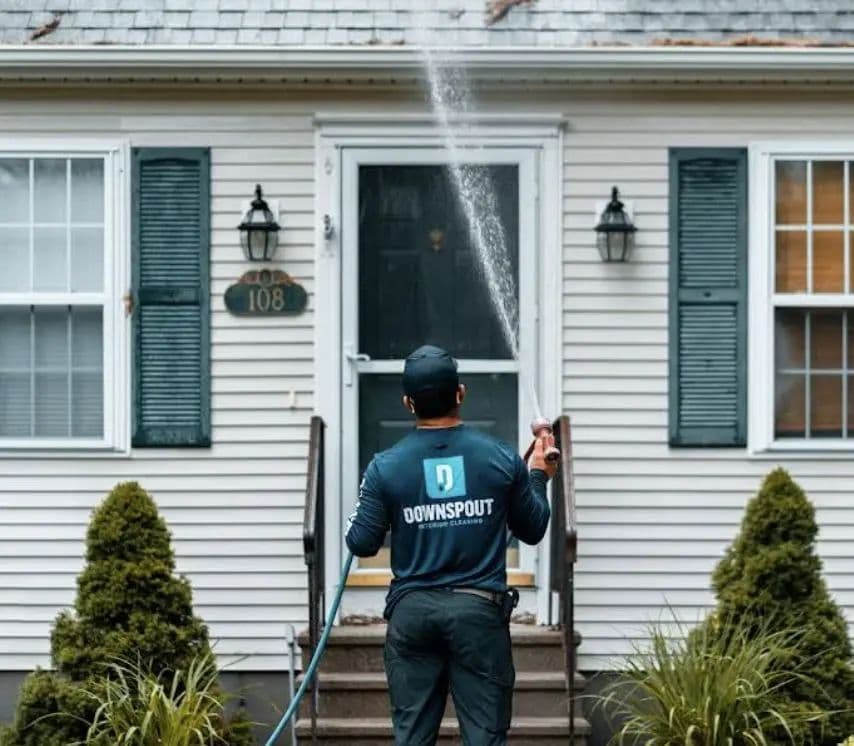
When cleaning the exterior of your home, house washing (soft washing) and pressure washing are two common methods. While they may seem similar, they're designed for different purposes and surfaces:
- Pressure washing uses high-pressure water (1,300–4,000 PSI) to remove tough dirt, grime, and stains from durable surfaces like concrete and brick.
- House washing uses low-pressure water (60–500 PSI) combined with biodegradable cleaning agents to safely clean delicate materials like vinyl siding, roofs, and stucco.
Key Differences:
- Pressure Level: High for pressure washing; low for house washing.
- Best Surfaces: Pressure washing suits hard, non-porous materials; house washing is safer for fragile surfaces.
- Cleaning Method: Pressure washing blasts away debris; house washing kills mold and algae at the root.
- Damage Risk: Pressure washing can cause surface damage if misused; house washing is gentler and safer.
- Cost: Pressure washing is slightly cheaper ($0.10–$0.25 per sq. ft.) than house washing ($0.15–$0.30 per sq. ft.).
Quick Comparison:
| Feature | Pressure Washing | House Washing (Soft Wash) |
|---|---|---|
| Pressure Level | 1,300–4,000+ PSI | 60–500 PSI |
| Cleaning Agent | High-pressure water | Biodegradable detergents |
| Best Surfaces | Concrete, brick, stone | Vinyl siding, roofs, stucco |
| Damage Risk | High | Low |
| Clean Duration | 3–12 months | 12–18 months |
Choose the method based on the surface and type of cleaning required. For tough stains on hard surfaces, pressure washing is effective. For delicate materials or biological growth, house washing is safer and provides longer-lasting results.

House Washing vs Pressure Washing Comparison Chart
Soft Washing Vs Pressure Washing | What's The Difference?
sbb-itb-634c8b2
What is Pressure Washing?
Pressure washing is a cleaning method that uses a high-pressure stream of unheated water to blast away dirt, grime, mold, mildew, and even loose paint from outdoor surfaces. Imagine a garden hose on steroids - powered by a pump and engine, it forces water through a small nozzle at high speed to effectively clean hard surfaces.
The cleaning power of a pressure washer is determined by two key factors: PSI (pounds per square inch) and GPM (gallons per minute). PSI measures the water's force, while GPM indicates how quickly it can clean an area. Residential pressure washers usually range from 1,300 to 4,000 PSI and use 2 to 4 gallons of water per minute. Gas-powered models typically exceed 2,500 PSI, while electric ones operate between 1,200 and 2,000 PSI. Let’s take a closer look at how these machines work and where they shine.
How Pressure Washing Works
Understanding how a pressure washer operates helps you use it more effectively. Water enters the machine, gets compressed by a high-pressure pump, and is then expelled through a nozzle. The nozzle’s angle determines the water’s force. For example, a red 0° nozzle creates a highly concentrated stream, while a white 40° nozzle spreads the water for gentler cleaning. Most homeowners stick to the green 25° nozzle for common tasks like cleaning patios and driveways.
"The higher the PSI, the more power to blast the dirt from the surfaces, and the higher the GPM, the faster you can clean the large areas." – Jay Sarkar, Assistant Marketing Manager, RYOBI
Safety is critical when using a pressure washer. Always turn on the water supply before starting a gas-powered model to avoid burning out the pump. Wearing eye protection and sturdy boots is also important, as the high-pressure stream can cause injury or send debris flying.
Best Uses for Pressure Washing
Pressure washers are ideal for tough, non-porous surfaces that can handle the force. Common uses include:
- Concrete driveways, sidewalks, and garage floors: These often need 2,500 to 3,000 PSI to remove stubborn grime.
- Brick and stone patios: Effective, but take care around mortar joints to avoid damage.
- Metal surfaces: Aluminum or steel siding and fences clean up beautifully with pressure washing.
- Unstained wood decks: Use lower pressure (under 1,200 PSI) and keep the nozzle moving to prevent gouging.
Professional cleaners can cover 750 to 1,000 square feet of siding per hour, making it a time-efficient choice for large projects. Choosing the right settings and techniques ensures surfaces stay in good condition while extending their lifespan.
When Not to Use Pressure Washing
While pressure washing is powerful, it’s not suitable for every surface. For example:
- Asphalt shingles: High pressure can strip away the protective granules, reducing the roof’s lifespan and potentially voiding warranties.
- Vinyl siding: Too much pressure can crack panels or force water behind them, causing moisture problems.
- Windows, light fixtures, and electrical panels: The intense stream can shatter glass, damage seals, or create electrical hazards.
For delicate surfaces, consider safer alternatives like house washing, which uses gentler methods to avoid damage. Knowing when to skip pressure washing helps protect your property and prevent costly repairs.
What is House Washing?
House washing, also known as soft washing, is a cleaning method that uses low-pressure water (60–300 PSI) combined with a chemical solution to clean surfaces. Unlike pressure washing, which simply removes dirt and grime, soft washing targets and eliminates mold, algae, and mildew at their source. This approach not only cleans but also prevents regrowth.
The process is relatively simple but requires careful execution. First, a cleaning solution is applied and left to sit for 15 to 20 minutes. This dwell time allows the chemicals to penetrate deep into organic growth, killing it at its roots. The solution typically includes sodium hypochlorite (a disinfectant that kills biological contaminants), surfactants (to help the solution adhere to surfaces), and algaecides (to prevent future growth). For delicate materials like cedar wood, professionals often opt for oxygen bleach (sodium percarbonate) instead of chlorine bleach to avoid harming the wood fibers. Once the solution has done its job, a low-pressure rinse removes the dead contaminants without forcing water into areas like siding gaps or under roof shingles, which could cause damage.
"The goal of soft washing isn't to blast away contaminants but to treat the infestation." – Power Wash Enterprise
Let’s take a closer look at how house washing works and why it’s a practical choice for homeowners.
How House Washing Works
The process begins with water being drawn into a low-pressure pump, where it mixes with the cleaning solution. This mixture is then applied using a wide-angle nozzle. Surfactants in the solution reduce water's surface tension, ensuring the chemicals stay on the surface long enough to break down mold, algae, and mildew. In humid areas, this method can keep surfaces clean for one to three years - far longer than the three to 12 months typically achieved with high-pressure washing.
"Soft washing (under 500 PSI with chemical solutions) is required for siding, roofs, and wood surfaces - pressure washing these materials can void warranties and cause $2,000–$12,000+ in damage." – Stewart Esposito, PWNA Certified Technician at Absolutely Clean by Stew
After the cleaning solution has had time to work, the surface is gently rinsed with low-pressure water. This step removes the dead organic material without risking water intrusion or damage to the property.
Best Uses for House Washing
Soft washing is particularly effective for surfaces that are prone to damage from high-pressure cleaning. Common applications include:
- Vinyl and Aluminum Siding: High-pressure washing can crack these materials or allow water to seep behind panels, leading to hidden moisture issues.
-
Asphalt Shingle Roofs: Pressure washing can strip away the protective granules on shingles, potentially voiding warranties. Major manufacturers like GAF and Owens Corning explicitly recommend against it.
"High-pressure washing systems are likely to damage asphalt roofing and should not be used." – Asphalt Roofing Manufacturers Association (ARMA)
- Stucco and Painted Surfaces: These materials can chip or crack under high pressure, making soft washing a safer option.
- Windows, Gutters, and Trim: Gentle cleaning ensures these areas are cleaned without causing damage, such as broken window seals or bent gutters.
Between 2015 and 2025, the adoption of soft washing grew by more than 25% annually, and it now accounts for around 40% of residential exterior cleaning jobs in North America. This shift highlights a growing preference among homeowners to protect their properties rather than settle for short-term results.
Why House Washing Protects Your Property
The gentle yet thorough approach of house washing helps safeguard your property by addressing organic growth at a cellular level. For example, Gloeocapsa magma, the bacteria responsible for black streaks on roofs, feeds on the limestone filler in asphalt shingles. If left untreated, it can weaken the shingles and compromise their durability.
Additionally, house washing reduces the risk of water intrusion. High-pressure washing can force water into small cracks, potentially leading to mold growth inside walls and expensive structural repairs.
"Using a pressure washer can damage the surface of Hardie siding. Instead, use a low pressure water spray from your garden hose and a soft, medium bristle siding cleaning brush." – James Hardie Technical Bulletin #20
House Washing vs Pressure Washing: Main Differences
Let’s break down the key distinctions between pressure washing and house washing. These two methods differ significantly in their approach, with one relying on sheer force and the other on chemical precision.
Side-by-Side Comparison
The main difference lies in the method of cleaning: pressure washing uses high-pressure water to blast away dirt, while house washing (soft washing) employs biodegradable detergents and biocides to target and eliminate organic growth at its source.
| Feature | Pressure Washing | House Washing (Soft Wash) |
|---|---|---|
| Pressure Level | 1,300–4,000+ PSI | 60–500 PSI |
| Primary Cleaning Agent | High-pressure water | Biodegradable detergents and biocides |
| Best Surfaces | Concrete, brick, stone, driveways | Vinyl siding, roofs, stucco, painted wood |
| Cleaning Method | Blasts away contaminants with force | Kills mold, algae, and mildew at the root |
| Results Timeline | Instant visual results | Requires dwell time for chemicals to work |
| Clean Duration | 3–12 months | 12–18 months, sometimes up to 2 years |
| Damage Risk | High – can cause surface damage or water intrusion | Low – safe for delicate materials |
| Cost Per Square Foot | $0.10–$0.25 | $0.15–$0.30 |
"Pressure washing is like scraping the surface clean with force. Soft washing is like giving the surface a deep-cleansing treatment to kill what's growing on it." – Power Wash Enterprise
House washing equipment is designed to protect its internal components from corrosive chemicals by using specialized downstream injectors that mix cleaning solutions into the water stream after the pump.
These differences highlight why selecting the right method is crucial for maintaining your property.
How to Choose the Right Method
Start by considering the type of surface and the stains you’re dealing with. For stubborn stains like oil, tire marks, or dried mud, pressure washing is your go-to option. On the other hand, for biological stains such as algae, mold, or moss, house washing is both safer and more effective.
Hard, non-porous surfaces like concrete or brick can withstand high-pressure cleaning. However, delicate materials - like vinyl siding, stucco, or painted wood - are better suited for soft washing. If the surface is older or weathered, soft washing is less likely to cause uneven wear or damage. Not sure which method to use? Test a small, hidden area first.
"Choosing between soft washing and pressure washing is not about preference, speed, or visual impact. It is a judgment call shaped by material type, surface condition, surrounding environment, water behavior, and risk tolerance." – Kelly Cleberg, Owner and Operator, Eclipse Power Wash
Also, think long-term. Pressure washing removes surface grime but doesn’t kill the roots of organic growth, meaning regrowth can occur within 3 to 12 months. In contrast, house washing sanitizes surfaces by targeting spores, often keeping them cleaner for 12 to 18 months - or even longer. Interestingly, soft washing has grown in popularity, accounting for 40% of residential exterior cleaning jobs in North America, with adoption increasing by over 25% annually between 2015 and 2025.
Safety and Maintenance Considerations
When it comes to exterior cleaning, safety and proper technique are non-negotiable. Whether you’re using pressure washing or house washing, taking the right precautions can save you from unnecessary damage and costly repairs. Protecting both your property and yourself is key to a successful cleaning process.
How to Prevent Damage During Cleaning
One of the biggest risks during exterior cleaning is water infiltration. Spraying water directly into vents, electrical outlets, or under the laps of siding panels can lead to serious problems. Avoid directing water upward on siding, as this can force water behind the panels, potentially saturating the house wrap and sheathing. This hidden moisture can cause rot and mold inside wall cavities, with repair costs ranging from $2,000 to $12,000.
Manufacturers often have specific cleaning guidelines designed to preserve warranties. For example, James Hardie's Technical Bulletin #20 warns that improper cleaning methods can void their warranty. Similarly, the Asphalt Roofing Manufacturers Association advises against using high-pressure systems on asphalt roofing, as it can cause damage. Ignoring these guidelines could void warranties that last 30 years for siding or even lifetime coverage for roofing materials.
Always test a small, inconspicuous area before cleaning the entire surface. When pressure washing durable materials, keep at least 2 feet of distance and use a wide-angle nozzle (40-degree fan tip or larger) to prevent etching or gouging. For house washing, allow the cleaning solution enough "dwell time" to kill mold and algae without drying on the surface. Cover outdoor outlets, doorbells, and fixtures with plastic sheeting to protect them during cleaning.
Personal safety is just as important. The CDC highlights that high-pressure streams can cause "injection injuries", which might look minor but can lead to serious infections or even amputation. High-pressure water can also dislodge objects, turning them into dangerous projectiles. To stay safe, wear eye protection, gloves, and rubber-soled shoes. If you’re using a gasoline-powered washer, keep it at least 20 feet away from windows, doors, and vents to avoid carbon monoxide exposure.
Protecting Your Surfaces Long-Term
After ensuring safety during cleaning, maintaining your surfaces over time is the next step. How often you clean depends on your environment. Homes in humid or wooded areas may need cleaning every 12 months due to faster mold and mildew growth. In contrast, homes in dry, sunny climates can often go 2 to 3 years between cleanings. For most suburban homes, professional washing every 18 to 24 months helps maintain both appearance and structural integrity.
Simple upkeep between professional cleanings can make a big difference. Clean your gutters regularly to prevent water buildup, which can lead to algae and mold growth on siding. Trim back trees and shrubs that touch your home to reduce moisture and debris accumulation. If you’re planning to paint or stain after a deep clean, let surfaces dry for at least 48 hours.
Proper cleaning not only keeps your home looking great but also protects its value. Removing pollutants and biological growth helps prevent wood rot and siding degradation over time. Soft washing, in particular, offers longer-lasting results because the cleaning solutions kill mold, algae, and mildew at their roots, slowing regrowth. For example, soft washing results can last 12 to 36 months, compared to pressure washing’s 3 to 12 months. Some professional-grade soft wash solutions even include treatments that inhibit future growth of lichen and algae. Regular maintenance and the right cleaning techniques go a long way in preserving your property for years to come.
Conclusion
Deciding between house washing and pressure washing comes down to using the right method for the surface in question. Pressure washing is ideal for tough surfaces like concrete driveways and stone patios, operating at 1,500–4,000 PSI. On the other hand, house washing (also known as soft washing) relies on low-pressure water - under 500 PSI - paired with specialized cleaning solutions to gently clean delicate materials like vinyl siding, stucco, and roofing.
Using the wrong technique can lead to costly issues like cracked siding, water damage, or even voided warranties. For instance, one manufacturer warns, "High-pressure washing will void the warranty and can damage shingles". Repairs for such damage can range anywhere from $2,000 to over $9,000.
Soft washing doesn’t just prevent damage - it also delivers longer-lasting results. By targeting mold, algae, and mildew at their source, this method keeps surfaces clean four to six times longer than traditional pressure washing. Choosing the right approach protects your property and ensures lasting results, making professional expertise an invaluable asset.
Professional exterior cleaning services bring more than just the right equipment - they offer precise chemical applications and the know-how to choose the safest and most effective method for your property. Downspout Services specializes in warranty-safe cleaning solutions tailored to Rhode Island and Connecticut homes, eliminating the risks of DIY mistakes. Whether you need high-pressure cleaning for tough surfaces or a gentle touch for more fragile areas, the right cleaning method ensures your property stays beautiful and structurally sound for years to come.
FAQs
Can I soft wash my house myself?
Yes, you can soft wash your house on your own, but it takes some preparation, care, and the right approach to do it safely and effectively. Start by making sure all windows are tightly closed, and either cover or relocate outdoor furniture and plants to protect them from cleaning solutions. Use a mix of sodium hypochlorite, water, and surfactants designed for soft washing. Don’t forget to wear protective gear, like gloves and goggles, and carefully inspect the area for any obstacles or hazards before you begin. While DIY soft washing is possible, reaching out to professionals can help you avoid potential damage and ensure the job is done thoroughly.
Will soft washing harm my plants or pets?
Soft washing, when performed correctly, is safe for both plants and pets. This method relies on low-pressure water and eco-friendly cleaning solutions that are designed to protect greenery and animals from harm. Proper execution is key to ensuring that any potential risks are minimized.
How do I know if my surface can handle pressure washing?
To figure out if pressure washing is safe for your surface, start by assessing its durability. Tough materials like concrete and brick usually handle high-pressure water (1,300–4,000 PSI) without issues. However, delicate surfaces such as vinyl siding, stucco, or roof shingles are more prone to damage. For these, soft washing - using lower pressure combined with cleaning solutions - is a safer option. If you're unsure, it's best to consult a professional or review the manufacturer’s recommendations to prevent costly mistakes.