How Seasonal Cleaning Prevents Costly Repairs
Seasonal exterior cleaning prevents gutter, roof, and siding damage—small maintenance costs that avoid expensive repairs.
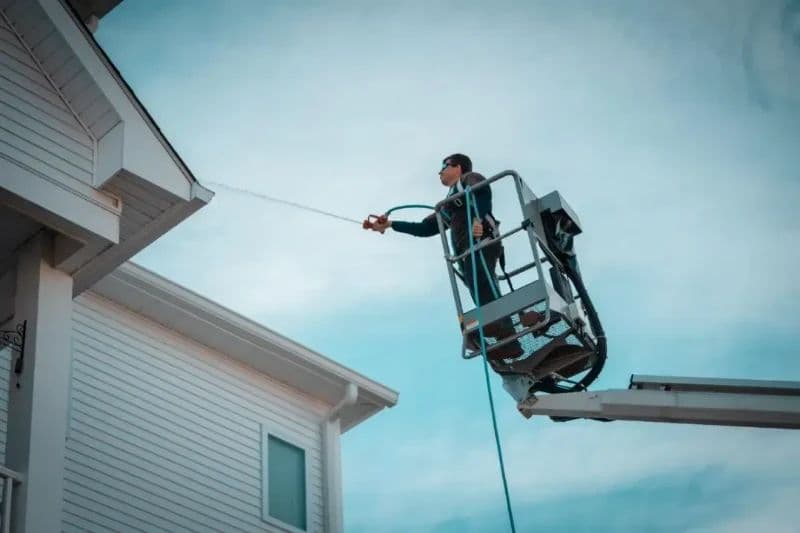
Seasonal cleaning is more than just keeping your home looking neat - it’s a smart way to avoid expensive repairs. Neglecting maintenance tasks like gutter cleaning or roof inspections can lead to damage that costs thousands to fix. For example:
- Gutter Cleaning: Costs $200 but prevents foundation repairs of up to $8,000.
- Roof Inspection: Costs $150 but can stop $15,000 in roof damage.
- Deck Care: Annual cleaning protects wood from rot, saving thousands on replacements.
10 Home Maintenance Tips Every Homeowner Should Know Save THOUSANDS!
sbb-itb-634c8b2
The Real Cost of Skipping Seasonal Cleaning
Skipping seasonal cleaning might seem harmless, but it can lead to hidden damage that builds up over time. From clogged gutters to algae-covered roofs and moisture-damaged siding, neglecting routine maintenance often results in costly repairs that could have been avoided. Here’s a closer look at the specific issues that arise when seasonal cleaning is ignored.
Clogged Gutters and Downspouts
Gutters may look fine from the outside, but when they’re clogged, the risks are anything but obvious. Overflowing water from clogged gutters can pool around your home, creating hydrostatic pressure that cracks foundation walls and causes settling. Fixing foundation damage due to poor drainage can cost anywhere from $7,500 to $30,000.
Water backing up under shingles or saturating fascia boards is another common issue, often leading to wood rot. In fact, nearly 68% of fascia rot cases are directly caused by neglected gutters that haven’t been cleaned in at least two years.
"68% of fascia rot cases are directly traceable to gutters that haven't been cleaned in two years." - Matt Smith, Owner, Smith Roofing & Exteriors
In colder regions, clogged gutters can cause even more trouble. When snow melts and can’t drain properly, the water refreezes along roof edges, forming ice dams. These ice dams trap moisture under shingles and can even rip gutters off entirely. A 50-foot stretch of ice-filled gutters can weigh over 950 pounds, far exceeding what standard hangers can handle.
Here’s the comparison: professional gutter cleaning or installing guards costs between professional gutter cleaning costs between $119 and $47019 and $470, while the average water damage claim in the U.S. is $13,954. Clearly, regular maintenance is a much smaller price to pay.
Roof Damage from Moss, Algae, and Debris
What looks like dirt or soot on your roof is often something far more damaging. Those dark streaks? They’re likely caused by Gloeocapsa magma, a type of blue-green algae that feeds on the limestone filler in asphalt shingles.
"The cause of these streaks or stains is often thought to be soot or dirt, but it is actually a type of blue-green algae known as Gloeocapsa Magna... The algae feeds on the asphalt in shingles and can accelerate their deterioration." - Superior Shine Softwash
Moss is another culprit. It traps moisture and lifts shingle edges, creating gaps where water can seep in. Over time, this leads to granule loss, reduced UV protection, and faster aging of the roof. Those dark algae streaks also absorb more heat, which can increase cooling costs in the summer.
Debris in roof valleys adds to the problem by trapping standing water, which accelerates rot in the underlying materials. During winter, this debris can block proper drainage, making ice dams more likely. The cost of roof repairs due to ice dam or rot damage typically ranges from $4,000 to $18,000.
Deteriorating Siding, Decks, and Hardscapes
It’s not just roofs and gutters that suffer from neglect. Other exterior surfaces, like siding, decks, and hardscapes, are also vulnerable. Mold, mildew, and algae can break down protective finishes and trap moisture, eventually causing rot and structural issues.
For example, wood siding coated with organic growth can absorb moisture, leading to paint peeling and buckling. Vinyl siding, on the other hand, can warp due to trapped moisture’s thermal cycling effects. Skipping seasonal cleaning can also cut short the lifespan of wood features like cedar siding or mahogany decks.
"A homeowner will invest $15,000 in a new roof and then skip gutter cleaning for three years. That decision costs them fascia replacement, soffit repairs, and sometimes a rotten roof deck at the eaves." - James Carver, Roofing & Leak Repair Specialist
Hardscapes like patios, driveways, and walkways aren’t spared either. Algae and moss growth can make these surfaces dangerously slippery when wet. Repairing or replacing damaged hardscapes can cost anywhere from $2,500 to $15,000. And if moisture intrusion causes mold inside walls or attics, remediation costs can add another $1,500 to $5,000.
Neglecting seasonal cleaning doesn’t just lead to faster wear and tear - it also sets the stage for steep repair bills down the line. Regular maintenance is a small investment that can save you from significant headaches and expenses later.
How Seasonal Cleaning Stops Damage Before It Starts
The kind of damage discussed earlier doesn't just appear out of nowhere - it creeps in over time, season by season. Small issues left unchecked can snowball into costly repairs. A well-organized cleaning routine interrupts this cycle, tackling minor problems before they grow into major headaches. These seasonal strategies focus on addressing the unique maintenance needs of each time of year.
"Preventive cleaning catches small issues before they become expensive emergencies." - Eliana Coca, Owner, E.C. House Cleaning
Spring Cleaning: Starting the Year Right
Spring is the perfect time to assess and repair any harm caused by winter. Once the weather stabilizes, start by clearing out winter debris from gutters and flushing them to ensure proper drainage. While you're at it, inspect the roof for any missing shingles or loose flashing. If you need a professional inspection, aim to schedule it by early March - contractors tend to book up fast, often 3–4 weeks in advance.
For those living in coastal or snowy areas, salt residue from winter road treatments can wreak havoc on siding, windows, and walkways. Washing it off promptly helps prevent corrosion on metal fixtures and slows down the deterioration of exterior finishes. Understanding house washing vs pressure washing differences helps you choose the right method to prevent this damage.
Summer Maintenance for High-Traffic Areas
Summer brings its own challenges, with UV rays and humidity taking center stage. Decks, patios, and walkways face heavy foot traffic, heat, and moisture, creating the perfect environment for wood rot and surface cracks. Sealing deck boards before the peak summer heat is a smart move - it keeps out moisture and helps prevent splintering.
Summer is also the time to deal with those unsightly black streaks and algae growth on your roof. Warm temperatures speed up the spread of Gloeocapsa magma, the algae responsible for those dark stains. A professional soft wash vs pressure wash comparison shows that soft washing can safely remove it without harming your shingles, protecting against granule loss and reducing heat absorption. As summer winds down, it’s time to start prepping for winter.
Fall Cleanup: Getting Ready for Winter
Fall is all about ensuring your home is ready to handle winter weather. Timing is crucial when it comes to cleaning gutters. Instead of tackling the job in September, wait until about 75% of the leaves have fallen - usually late October to mid-November - so you don’t have to redo the work shortly after.
Once the leaves are down, flush your downspouts with high-pressure water to clear out any packed debris. If your home is surrounded by trees or pine trees, you may need to clean your gutters three to four times a year instead of the standard twice.
For homeowners in areas like Rhode Island and Connecticut, professional services such as Downspout Services can help make sure your gutters and downspouts are in top shape for the season.
"A $150 furnace tune-up in October prevents a $4,000 heat exchanger replacement in January. A $200 gutter cleaning in November prevents $8,000 in foundation waterproofing in April." - Tarik Khribech, Founder & CEO, AllBetter
Winter Preparations and Moisture Control
Winter is less about active cleaning and more about keeping a close eye on potential issues. Once the temperatures drop, avoid climbing ladders to clear gutters or roofs - ice makes these tasks dangerous. Instead, monitor from the ground for signs of ice dams along roof edges, and keep downspout discharge points free of snow buildup.
In snowy regions, clearing heavy snow from roof edges helps reduce the strain on gutters and minimizes the risk of ice dams forcing water under shingles. Indoors, don’t forget to check basements and crawl spaces for moisture every month. Winter condensation can quietly lead to mold growth, which often doesn’t become noticeable until spring.
The Financial Case for Seasonal Cleaning

Seasonal Cleaning Costs vs. Repair Costs: The True Price of Neglect
Seasonal cleaning doesn’t just keep your home looking great - it can save you a lot of money in the long run. Regular maintenance costs are a small fraction of what you’d pay for major repairs. Yet, only 25% of homeowners clean their gutters twice a year as recommended. That leaves most homeowners at risk for expensive repairs that could have been completely avoided.
Cleaning Costs vs. Repair Costs: A Direct Comparison
Let’s break it down. Gutter cleaning typically costs between $218 and $470 per visit, or about $398–$900 annually for twice-a-year service. While that might seem like a hefty expense, skipping this routine maintenance can lead to repair bills that are far worse.
| Damage Type | Average Repair Cost | Years of Cleaning Costs It Equals |
|---|---|---|
| Foundation Piering | $18,750 | 21–47 years |
| Roof Deck Reconstruction | $15,000 | 17–38 years |
| Basement Waterproofing | $6,500 | 7–16 years |
| Fascia/Eaves Repair | $3,850 | 4–10 years |
Source:
The math is simple: annual cleaning costs are just 1.4% to 6.4% of a typical water damage claim. And when you compare the cost of cleaning to the cost of major repairs, the return on investment can reach an impressive 1,500% to 6,500%.
"Gutter cleaning has the highest ROI of any routine home maintenance task." - R&E Roofing
Beyond the numbers, regular cleaning helps preserve the life of your property, preventing costly wear and tear.
How Cleaning Extends the Life of Property Features
Routine cleaning doesn’t just prevent disasters; it also ensures your home’s exterior lasts longer. One of the biggest culprits of damage is biofilm - a thin layer of algae, mold, and organic debris that clings to roofs, siding, and hardscapes. If left untreated, biofilm traps moisture, speeding up decay. For example, moss can triple roof repair costs by lifting shingles and trapping water against the roof deck.
The same goes for wooden surfaces. A quick probe test on fascia boards or deck joists can reveal early signs of rot, letting you fix minor issues before they require full replacements. And considering fascia board replacements cost $12–$30 per linear foot, catching problems early is a no-brainer.
Indirect Savings from Fewer Risks
Skipping seasonal cleaning doesn’t just risk expensive repairs - it can also expose you to other financial risks. For one, homeowners insurance often won’t cover damage caused by neglect. That means if an adjuster decides your water damage was preventable, you’ll be footing the bill yourself.
Liability is another concern. Algae-covered walkways and driveways become slippery, increasing the risk of injuries. Meanwhile, water overflow can destabilize hardscapes, creating trip hazards. Seasonal cleaning tackles these problems before they turn into lawsuits or costly claims. By addressing these risks, you’re not just protecting your home - you’re safeguarding your financial investment for the future.
Property Areas That Benefit Most from Seasonal Cleaning
Certain parts of your home are more prone to seasonal wear and tear, especially if regular cleaning is neglected. Knowing which areas require extra attention can help you stay ahead of costly repairs and keep your property in peak condition. Below are the key areas where seasonal cleaning delivers the most impact.
Roof Surfaces
Your roof endures a lot - harsh UV rays in summer, ice dams in winter, and year-round buildup of algae, moss, and lichen. These organic growths trap moisture, weakening shingles and reducing the roof's lifespan, which is typically 20 to 30 years. If left unchecked, they can cause significant damage in less time.
The best way to handle this is through roof soft washing. This low-pressure technique uses biodegradable solutions to safely remove organic growth without harming shingles or voiding warranties. A twice-yearly visual inspection - once in spring and again in fall - can catch issues early, preventing minor problems from escalating into major repairs.
"Because roof washing stops damage before it starts, it's one of the most cost-effective maintenance services you can schedule." - Atlantic Home Services
Don't overlook gutters and downspouts, which are essential for managing water flow and protecting your roofline.
Gutters and Downspouts
Gutters have one critical job: directing water away from your home. When clogged with debris like leaves, pine needles, or shingle granules, they can't do their job. Overflowing water can damage siding, lead to foundation problems, and even cause ice dams that push moisture into your roof and walls.
"Blocked gutters and downspouts are one of the leading causes of preventable exterior home damage." - The Powerwashing Kings
Flushing downspouts regularly ensures water flows properly. Cleaning gutters twice a year - after the fall leaf drop and again in spring - can save you from costly foundation repairs and ice dam-related issues.
Siding, Windows, and Trim
Windows are magnets for salt spray, pollen, and mineral deposits, which can etch into glass if ignored. Meanwhile, wood trim and painted surfaces are vulnerable to mold and mildew, which accelerate wear and tear on exterior finishes . A thorough spring cleaning removes these contaminants, reducing the need for frequent repainting or wood replacement - both of which can be expensive.
Keeping siding, windows, and trim clean also strengthens your home's overall defense against the elements, complementing the protection offered by a well-maintained roof and clear gutters.
Decks, Patios, and Hardscapes
Decks and patios in shaded areas often become breeding grounds for algae and mildew, which not only make surfaces slippery but also degrade wood fibers over time. On driveways and walkways, leftover road salt and grime from winter can corrode surfaces if not cleaned away in spring.
For wood decks, spring cleaning is essential before applying stain or sealant. Protective coatings won't adhere properly to dirty surfaces, so skipping this step wastes money on treatments that won't last. Pavers also benefit from cleaning and sealing, which helps preserve their color and slows erosion. If you're in Rhode Island or parts of Connecticut and prefer professional help, Downspout Services offers cleaning and sealing for decks, patios, and pavers as part of their maintenance services.
| Property Area | Primary Seasonal Threat | Recommended Cleaning Frequency |
|---|---|---|
| Roof | Algae, moss, ice dams, UV damage | Once a year (spring or fall) |
| Gutters & Downspouts | Leaves, twigs, shingle granules | Twice a year (spring and fall) |
| Siding & Trim | Salt residue, mold, mildew | Once a year (spring) |
| Decks & Patios | Algae, wood rot, slip hazards | Once a year (spring/summer) |
| Windows | Salt spray, pollen, mineral deposits | Once a year (spring) |
When to Hire a Professional Cleaning Service
Sometimes, maintaining your property means going beyond regular DIY upkeep. Professional cleaning services can handle tasks that require a higher level of expertise and equipment, ensuring your property is properly cared for and any hidden issues are addressed. This not only keeps your property in great shape but can also save you money in the long run by preventing costly repairs.
Safety and Efficiency on Difficult Jobs
Tackling jobs like cleaning gutters on multi-story homes or working on roofs can be risky without the right training and tools. Professional cleaning crews are equipped with specialized safety gear and know-how to handle these challenges effectively. They work quickly and thoroughly, ensuring every part of the gutter system, including downspouts and hard-to-reach spots, is cleared of debris and blockages. Unlike DIY efforts, professionals can spot early signs of damage and provide detailed reports, giving you a clearer picture of your property's condition.
| Factor | Professional Service | DIY |
|---|---|---|
| Safety | Experienced teams with proper safety equipment | Higher risk of falls and injuries |
| Damage Detection | Identifies hidden issues early | Limited to what’s visible |
| Equipment | Professional-grade tools for thorough cleaning | Basic consumer tools |
| Reporting | Detailed assessments and recommendations | No formal inspection or report |
Proper Techniques for Delicate Surfaces
Cleaning delicate surfaces requires more than just elbow grease - it demands the right techniques to avoid causing damage. For example, using high-pressure washing on materials like asphalt shingles, cedar shake, or slate can strip away protective layers or harm wood fibers.
"Soft washing applies low-pressure water mixed with eco-friendly cleaning solutions. This method safely removes stains and moss while protecting the integrity of shingles." - Atlantic Home Services
Soft washing is the go-to method for cleaning fragile materials. It combines low-pressure water with environmentally friendly solutions to clean surfaces like shingles without causing harm. Similarly, when dealing with cedar siding or older painted trim, professionals use tailored techniques to ensure the cleaning process doesn’t lead to costly repairs.
While these methods are ideal for residential properties, commercial buildings often come with their own set of challenges that demand a more customized approach.
Cleaning Solutions for Commercial Properties
For commercial properties, professional cleaning services are vital to maintaining large-scale spaces and avoiding expensive repairs. These properties often have larger roofs, complex drainage systems, and high-traffic areas that require advanced equipment and careful planning. Plus, businesses need cleaning solutions that minimize disruptions to daily operations.
Downspout Services provides a wide range of cleaning services for commercial clients in Rhode Island and parts of Connecticut. Their expertise includes everything from fleet washing and gas station cleaning to industrial and hospitality property maintenance. They work with office complexes, medical facilities, schools, municipalities, and multi-unit residential properties. For commercial property managers, scheduling quarterly inspections instead of the typical twice-yearly residential schedule can help prevent debris buildup and keep everything running smoothly.
Conclusion: Keep Your Property in Good Shape with Seasonal Cleaning
Seasonal cleaning does more than just improve appearances - it’s a proactive way to shield your home or business from costly damage. Consider this: clogged gutters can lead to foundation issues, moss-covered roofs can shorten the lifespan of shingles, and untreated siding or decks can wear down faster. The common thread? Most of these problems can be avoided with regular, timely maintenance.
Setting aside just 1% to 2% of your home’s value for upkeep can save you from repairs that might cost 10 to 20 times more. For example, spending a few hundred dollars on professional gutter cleaning can prevent foundation repairs that could climb into the tens of thousands. It’s a simple equation - small, consistent investments now can save you a fortune later.
"Preventive cleaning catches small issues before they become expensive emergencies." - Eliana Coca, Founder, E.C. House Cleaning
The secret to making this work is sticking to a regular schedule. Clean at key seasonal points - late spring, early summer, after the leaves fall, and during winter checks. This is especially important in areas like Rhode Island, where road salt, coastal humidity, and harsh winters can speed up wear and tear. By following this routine, you’ll safeguard high-risk areas like gutters, roofs, and hardscapes from long-term damage.
For tasks that are too challenging or risky - like working at heights or cleaning delicate surfaces - professional help is the way to go. Companies like Downspout Services offer a range of residential and commercial exterior cleaning services in Rhode Island and parts of Connecticut. From gutter cleaning and roof washing to deck care and gutter guard installation, they provide the expertise needed to keep your property in top shape. Combining regular seasonal maintenance with professional assistance when necessary is the smartest way to protect your investment.
FAQs
How often should I clean my gutters if I have lots of trees?
Homes with plenty of trees nearby need gutter cleaning about 3–4 times a year. Spring and fall are typical times for this, but if your property has dense tree cover, you might want to add a mid-summer cleaning to deal with pine needles, seed pods, and leaves. Also, make it a habit to check and clear your gutters after big storms to avoid expensive water damage.
What are the warning signs of gutter or roof damage I can spot from the ground?
From ground level, keep an eye out for sagging, tilting, or detached gutters - these could point to structural stress or decayed fascia boards. Look for water stains, rust, or peeling paint on the siding and fascia, as these often signal leaks or overflowing water. If it's raining, observe whether water is spilling over the edges or running behind the gutters, which are clear signs of issues.
Additionally, check for soil erosion or standing water near the foundation, as these can indicate drainage problems. Don't forget to look for missing shingles or vegetation growing in the gutters, both of which suggest poor maintenance or blockages.
When should I hire a pro instead of doing seasonal cleaning myself?
When safety is at stake - like tasks involving ladders for gutter work - or when the job demands deeper cleaning or expertise, such as roof washing, it’s wise to bring in a professional. They’re not just there to clean; they can also spot potential problems early, like leaks or drainage issues, saving you headaches down the road. By scheduling cleanings in the spring and fall, pros can tackle seasonal challenges, helping to prevent clogs, ice dams, and water damage before they become serious problems.