How Often Should You Wash Your House Exterior?
Cleaning frequency depends on climate, siding, and surroundings: annual for most, 6–12 months in humid areas, 3–6 months at the coast.
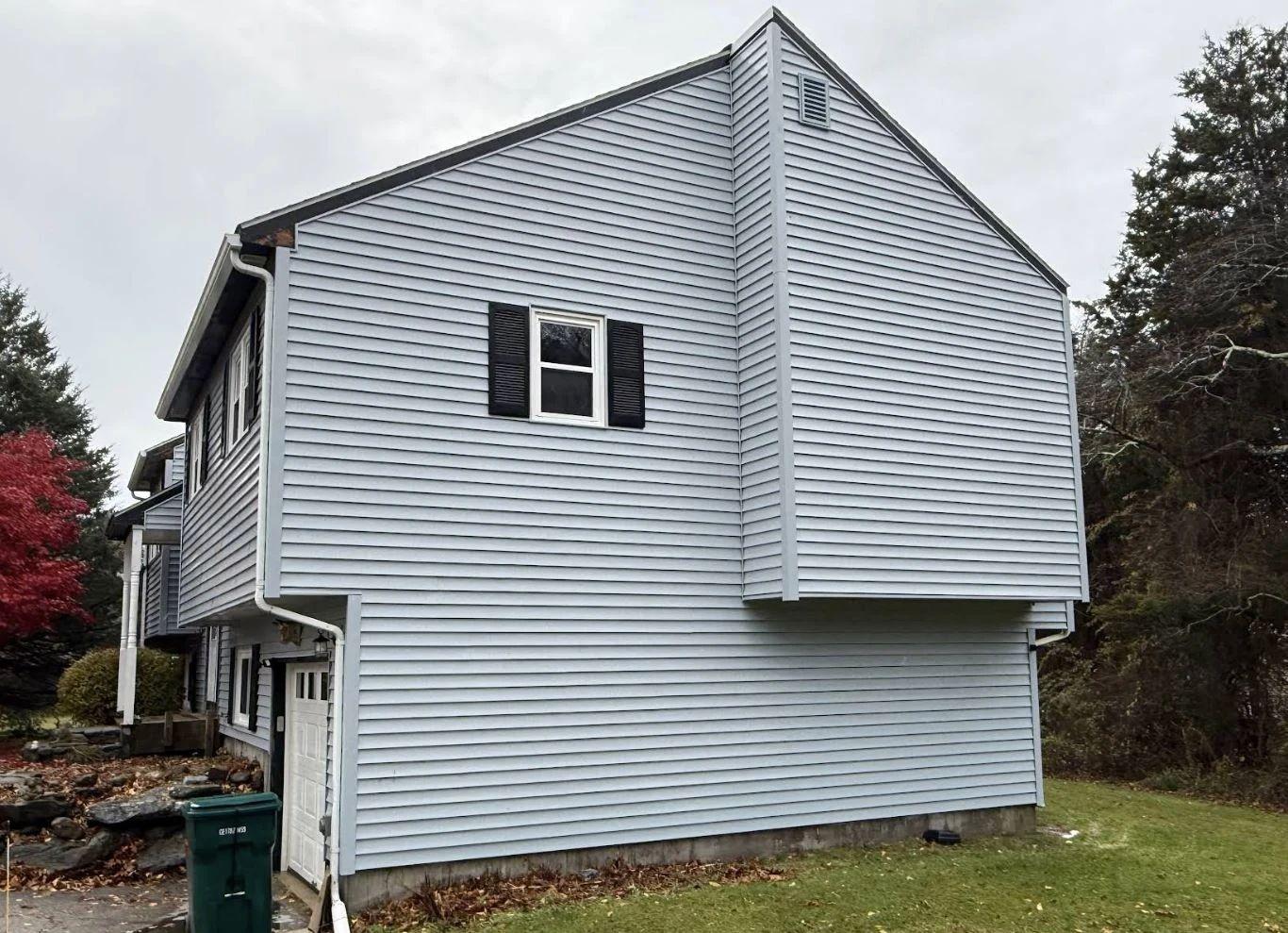
Keeping your home's exterior clean isn't just about looks - it helps prevent damage and saves money in the long run. Most homes benefit from an annual wash, but the ideal frequency depends on your location, siding material, and surroundings:
- Annual Cleaning: Standard for most homes in moderate climates.
- Humid Areas: Every 6–12 months to combat mold and algae.
- Coastal Homes: Every 3–6 months to remove salt buildup.
- Homes Near Trees or Busy Roads: Every 6–8 months due to grime, sap, or soot.
Different siding materials also have unique cleaning needs. For example, vinyl siding typically requires cleaning every 12–18 months, while wood siding benefits from a softer, gentler wash once a year. If you notice mold, discoloration, or buildup, it’s time to clean - even if it’s ahead of schedule.
Regular washing boosts curb appeal, protects your investment, and extends the life of your siding and paint. For tough jobs or hard-to-reach areas, hiring professionals ensures a safe, thorough clean.

House Exterior Washing Frequency Guide by Climate and Material Type
How Often to Wash Your House Exterior
Standard Schedule for Most Homes
Experts generally suggest washing your home's exterior once a year to keep dirt, pollen, and pollutants from building up over time. Spring is often the best season for this task, as it clears away the grime, mold, and pollen left behind by winter. Angie Hicks, Co-Founder of Angi, notes:
"This is a great time [spring] because it gives you the opportunity to wash away mildew, mold, and dirt that accumulated over the winter months".
If you live in a dry, arid climate, you might stretch this schedule to every 18 to 24 months. However, even in these regions, dust accumulation may still make an annual cleaning necessary. For homes in tougher environments, though, the timeline changes.
More Frequent Cleaning for Harsh Conditions
If your home is in a challenging environment, you may need to clean it more often than the standard annual schedule. For example, homes in humid areas are more prone to mold, mildew, and algae, requiring a wash every six to twelve months to prevent damage.
Coastal homes face unique challenges from salt spray, which can corrode metal and fade paint. These properties should be washed every six months. Similarly, houses surrounded by large trees often deal with sap, leaf debris, bird droppings, and pollen, needing cleaning every 6 to 8 months. Urban homes near busy roads or construction sites can accumulate soot, exhaust, and dust more quickly, while shaded areas of your home may trap moisture, encouraging mold and mildew. These factors can mean more frequent attention for parts of your home, even if other areas seem clean.
sbb-itb-634c8b2
What Affects How Often You Need to Clean
The frequency of cleaning largely depends on the local weather. For example, areas with high humidity or frequent rain foster the growth of mold, mildew, and algae on materials like vinyl, stucco, and wood siding. In these climates, a cleaning every six months helps keep organic buildup in check. On the other hand, dry, arid regions may not face as much mold but tend to accumulate more dust, making an annual wash sufficient.
If you live near the coast, cleaning becomes even more critical - every three to six months is ideal. Salt from the air clings to surfaces, fading paint and corroding metal fixtures over time. For best results, schedule your cleaning when temperatures are between 40°F and 75°F. This range prevents freezing or overly quick drying of cleaning solutions, ensuring they work effectively.
Trees and Water Nearby
Your home's surroundings also play a big role in how often you need to clean. Trees can be a double-edged sword: while they provide shade, they also drop sap, pollen, and leaves, which can stain and damage your home's exterior. Additionally, trees attract birds, whose droppings can be surprisingly damaging. Dense tree canopies trap moisture, creating a perfect environment for algae and mold to thrive.
If your property is near ponds, rivers, lakes, or creeks, the extra moisture and biological activity in the air can also speed up the need for cleaning.
"Trees increase pollen, sap, leaf buildup and moisture retention. Homes near dense tree lines almost always require more frequent washing." - Pat's Power Washing
Pollution and City Living
Urban environments bring their own set of challenges. Pollution from vehicle exhaust, brake dust, industrial smog, and soot can settle on your siding, leaving it dull or discolored. Homes near highways or bus routes are especially prone to developing this "traffic film" and may need cleaning every eight to twelve months. In highly polluted areas, twice-yearly cleaning is often necessary.
If you're near a construction zone, the dust and debris kicked up by the activity may require you to clean on an as-needed basis or roughly twice a year. These urban and environmental factors, combined with your local climate and surroundings, determine how often your home needs attention.
Cleaning Schedules by Material Type
Different siding materials require unique cleaning schedules to fit into your overall maintenance routine. Since not all materials are the same, each one needs a specific approach to keep it looking great and to avoid damage. Using the right cleaning method not only helps maintain your home's curb appeal but also safeguards its structural health. Here’s a breakdown of how to care for the most common siding materials.
Vinyl Siding
For vinyl siding, aim to clean it every 12–18 months under typical conditions. However, if your home is in a shady area, experiences high humidity, or is near trees or busy roads, you should clean it every six months. Soft washing with specialized detergents is the best way to remove mold and mildew without harming the siding.
"If you're pressure washing, low pressure + detergent beats high pressure every time. High pressure can force water behind your siding or damage paint." – Indy Exterior Clean
If you prefer using a pressure washer, keep the pressure between 1,300 and 1,500 PSI and maintain a distance of at least 2 feet from the surface. Always spray perpendicular to the wall or slightly downward to prevent water from being forced behind the siding. For homes in coastal areas, a gentle rinse or soft wash every three to four months is ideal for removing corrosive salt air.
This process is quite different from the gentler care required for wood siding.
Wood Siding
Wood siding needs extra care to maintain its condition. Cleaning it once a year is generally enough to prevent the buildup of organic material that can lead to rot. In areas with high humidity, frequent rain, or heavy shade, consider cleaning every six months. Stick to soft washing with low-pressure water and mild detergents to protect the wood's surface.
"Wood siding should be soft washed gently once a year to avoid decay." – Burrini & Sons
Avoid high-pressure washing, as it can damage wood. Instead, use a soft brush or a low-pressure garden hose along with mild dish soap or a specialized cleaner. Cleaning in late spring or early summer, after pollen season, is a smart move to clear away sticky residues before they harden.
Brick and stucco, though sturdier, also have specific cleaning requirements to keep them in good shape.
Brick or Stucco
Brick and stucco are tough but porous, so they should generally be cleaned every one to two years. In humid climates, cleaning every six to eight months can help prevent mold, while coastal homes benefit from a gentle rinse every three to four months to remove salt deposits. Soft washing is the best method for both materials, as it protects the mortar joints in brick and preserves stucco’s texture.
Before cleaning, repair any damaged mortar or cracks and allow at least a week for the repairs to set. For brick, use a pressure washer set to 1,500–2,000 PSI; for stucco, stick to 1,200–1,500 PSI. When cleaning stucco, hold the spray wand at a 45-degree angle and keep the nozzle at least 24 inches away to protect the textured surface. For brick, saturate the surface with water before applying detergent to ensure an even clean.
Next, we’ll cover the warning signs that signal when your home needs immediate cleaning.
Warning Signs Your House Needs Cleaning Now
Keeping up with regular cleaning is essential, but sometimes your home sends clear signals that it needs immediate attention. Ignoring these signs can lead to long-term damage and expensive repairs. Here are some common red flags to watch for.
Mildew or Algae Growth
If you notice green, black, gray, or white streaks on your siding, it's a clear sign of mold, mildew, or algae. These streaks are more than just an eyesore - they indicate active growth that can cause lasting damage if not addressed. These stains often appear in shaded areas, like the north-facing side of your home, under eaves, or where tree branches touch the walls.
"If you notice black, gray, or green streaks, that's likely mold, mildew, or algae making itself at home. These unsightly stains aren't just cosmetic; they can cause long-term damage if left untreated." – PR Wash
A quick diagnostic test is to run a white cloth over the siding. If it comes away gray or black, pollutants and organic spores are present and need to be cleaned. A musty smell around your property can also hint at significant organic buildup.
Visible streaks or spots mean the spores are likely spreading. Scheduling a soft wash vs. pressure wash consultation as soon as possible can prevent permanent damage. On walkways, patios, and decks, mold and moss not only look bad but can make surfaces dangerously slippery. Left unchecked, these issues can lead to material decay and costly repairs.
Other warning signs, such as faded surfaces or debris buildup, also indicate it's time to act.
Faded or Discolored Surfaces
A dull or discolored exterior doesn't always mean your siding is permanently damaged - it might just be dirty. Dust, pollen, and pollutants can create a thin layer that dulls your home's appearance. The key is determining whether the discoloration is dirt that can be cleaned or UV damage that can't be reversed.
Using the white cloth test again can help. If grime transfers to the fabric, a thorough wash can likely restore your siding's original vibrancy. However, uniform fading across sun-exposed areas is more likely due to UV damage, which washing won't fix.
"If you notice green, black, or brown streaks creeping across your siding, it's a sure sign mold, algae, and dirt are taking over. Fading color, dullness, or a patchy, stained appearance means buildup is damaging your home's curb appeal." – Jim Marchioni, Co-founder, CamoVets Power Wash & Roof Cleaning
Pay special attention to the lower sections of your home, where rain and mulch can cause splashback stains. Comparing shaded areas to sunnier sides can also reveal problems - green or black patches on shaded walls often indicate mold or mildew, while sunnier areas may just appear dull. If ignored, these buildups can lead to permanent stains and siding deterioration.
Pollen or Debris Accumulation
A sticky film of pollen that resists rain is another sign it's time for a deep clean. This residue hardens over time, making it more difficult to remove. It's best to wait until peak pollen season - usually mid-to-late spring - before tackling this task.
Other debris, like tree sap, bird droppings, and fallen leaves, can also accumulate on your roof and siding. Overflowing gutters often signal that this buildup is causing problems, such as wood decay in your walls. Spider webs or cobwebs under eaves are more than just unattractive; they suggest that grime is attracting pests.
Homes near busy roads may develop a black or gray film from vehicle exhaust and brake dust. Coastal homes often show white salt crystals on their siding and trim, while desert properties may collect fine dust and sand. These accumulations not only dull your home's appearance but can also lead to faster material wear and reduced property value if left untreated.
Why Regular Exterior Washing Matters
Better Curb Appeal
Keeping your home's exterior clean does more than just make it look nice - it helps protect your investment. A clean exterior creates a strong first impression by removing layers of dirt, dust, and pollution that can dull your home's colors over time. As Harley from Home Gnome points out, pressure washing can refresh your home's appearance by bringing back its vibrant look and removing unsightly stains.
Clean windows also play a big role. They eliminate hazy films, letting in more natural light and improving the view from both inside and outside. A well-maintained exterior sends a clear message: this home is cared for and in good condition. Whether you're looking to sell or just want to take pride in your property, regular washing keeps your home looking its best.
Prevents Damage and Extends Lifespan
Exterior cleaning isn't just about appearances - it also helps protect your home from serious damage. Mold, mildew, and algae aren't just cosmetic problems. These organisms can break down surfaces over time, leading to rot, decay, and even structural issues.
"Regular cleaning uncovers hidden issues early, preventing costly repairs", says Bogdan Dyukarev of Rot Repair Master.
For homes with wood siding, consistent washing is especially important. It helps prevent wood rot and discourages insects that can weaken the material. On roofs, removing moss prevents moisture buildup, which can extend the roof's lifespan. In coastal areas, rinsing away salt buildup is essential to avoid corrosion on metal fixtures and erosion in brick or stone structures. By addressing these risks early, you can protect your home's paint from peeling, chipping, or fading and ensure your siding and roofing stay intact for years to come.
Saves Money Over Time
Preventative maintenance, like regular washing, is a cost-effective way to avoid expensive repairs or replacements down the road.
"By removing dirt, mold, and algae, you can prevent damage to your siding, roof, and windows, extending their lifespan and delaying the need for costly repairs or replacements", explains Oleyn's Pressure Washing.
Most homes benefit from pressure washing every 12–18 months to keep surfaces in good condition. For an average-sized home, professional pressure washing usually takes just 2–4 hours - a small time commitment compared to the weeks it might take to fix major structural damage. Regular cleaning also helps maintain warranties by ensuring protective coatings adhere properly. When you think about the costs of replacing rotted wood, damaged shingles, or corroded fixtures, the annual expense of professional cleaning becomes a smart financial choice. Knowing when to bring in professionals for tougher jobs can save you even more in the long run.
When to Call Professional Cleaners
Large or Difficult Jobs
When it comes to multi-story homes or hard-to-reach surfaces, calling in professionals is often the safest choice. Climbing ladders to clean high walls or second-story windows can be dangerous, with a real risk of falls. Professionals not only have the right equipment but also the safety training to handle these elevated tasks securely.
If you're dealing with heavy buildup of mold, mildew, or algae, professional help is essential. These issues require more than just basic cleaning tools; they demand professional-grade biocides and advanced power washing techniques that standard consumer equipment simply can't handle. Notice green or black streaks, slippery walkways, or a musty smell around your deck? That’s a clear sign it’s time to call in the pros.
"If your home has large or high surfaces, significant mold, mildew, or heavy staining, or if you're short on time, it's best to hire a professional", says Emily Pascale, Content Marketing Coordinator at Redfin.
These situations highlight the need for tailored cleaning methods that suit the specific materials and challenges of your home.
Special Surface Requirements
Certain surfaces, like wood siding, cedar, or stucco, demand a gentler touch. House washing vs pressure washing techniques differ significantly; soft washing—a low-pressure method paired with targeted detergents—can clean these surfaces effectively without causing damage.
"DIY pressure washing can seem like a quick fix, but using too much pressure or the wrong solution can damage siding, strip paint, or cause costly repairs", warns Matt Durling, Owner of Durling Cleaning.
Companies like Downspout Services specialize in handling a variety of materials, from vinyl and brick to delicate cedar. Their expertise ensures the right pressure settings and cleaning solutions are used, protecting your home while achieving a thorough clean.
Time and Quality Benefits
Beyond safety and surface-specific care, professional cleaning services save you significant time and deliver better results. While a professional team can complete an exterior cleaning in just 2 to 4 hours, a DIY approach could take days. Plus, you avoid the hassle of renting equipment, learning techniques, and managing the cleanup.
The difference in quality is also hard to ignore. Professional-grade tools and solutions provide a deeper, longer-lasting clean that consumer equipment can't replicate. On top of that, professionals can identify hidden issues - like rot, damaged mortar, or pest problems - while they work. Catching these problems early can save you from costly repairs down the line.
Conclusion
Keeping your home's exterior clean not only boosts curb appeal but also protects your investment. While an annual wash is standard for many homes, the ideal schedule depends on your location and environment. For example, homes in humid climates might need cleaning every 6–9 months, coastal properties every 3–6 months, and areas prone to heavy buildup may benefit from a biannual schedule.
The material of your home’s exterior also influences cleaning needs. Vinyl siding typically requires washing every 12 to 18 months, while wood siding benefits from an annual soft wash to prevent issues like rot. Brick and stucco can go 1 to 2 years between cleanings, depending on moisture exposure. Keep an eye out for green or black streaks and chalky residue - these are clear signs that cleaning is overdue, regardless of your routine schedule.
Regular exterior cleaning helps prevent long-term damage by removing organic buildup that can degrade surfaces. This not only extends the life of your siding and paint but also saves you from potentially expensive repairs or replacements. Early spring is an excellent time to tackle this task, clearing away winter grime and prepping your home for the warmer months ahead.
For jobs that go beyond what you can safely handle yourself, professional exterior cleaning services like Downspout Services offer the expertise and equipment to get the job done right. They know when to use soft washing versus pressure washing, apply the right cleaning solutions, and can spot potential issues before they escalate into costly repairs.
Maintaining a clean exterior isn't just about appearances - it's a key part of home maintenance that preserves your home’s value and ensures it looks its best year after year.
FAQs
Should I use soft washing or pressure washing?
When deciding between cleaning methods, it all comes down to the type of surface and how much wear it can handle. Soft washing works well for more fragile materials like roofs or siding. It relies on low pressure (150–300 PSI) combined with cleaning solutions to gently clean without causing harm. On the other hand, pressure washing is designed for sturdier surfaces such as concrete or brick. With pressure starting at 1,300 PSI, it delivers the power needed for a thorough clean. The key is to match the method to the surface’s durability and cleaning requirements.
What PSI is safe for my siding material?
For cleaning vinyl siding, stick to a PSI range of 600 to 1200 to prevent any damage. For more delicate surfaces, opt for the lower end of this range. It's always a good idea to test the pressure on a small, inconspicuous area first. This way, you can fine-tune the settings to ensure the cleaning is both effective and safe.
Can exterior washing damage paint or force water behind siding?
When used the right way, pressure washing won't harm your paint or push water behind your siding. To keep things safe, make sure to choose the correct nozzle, keep a safe distance from the surface, and carefully adjust the pressure settings. Using proper techniques is essential to clean your home effectively without causing damage.