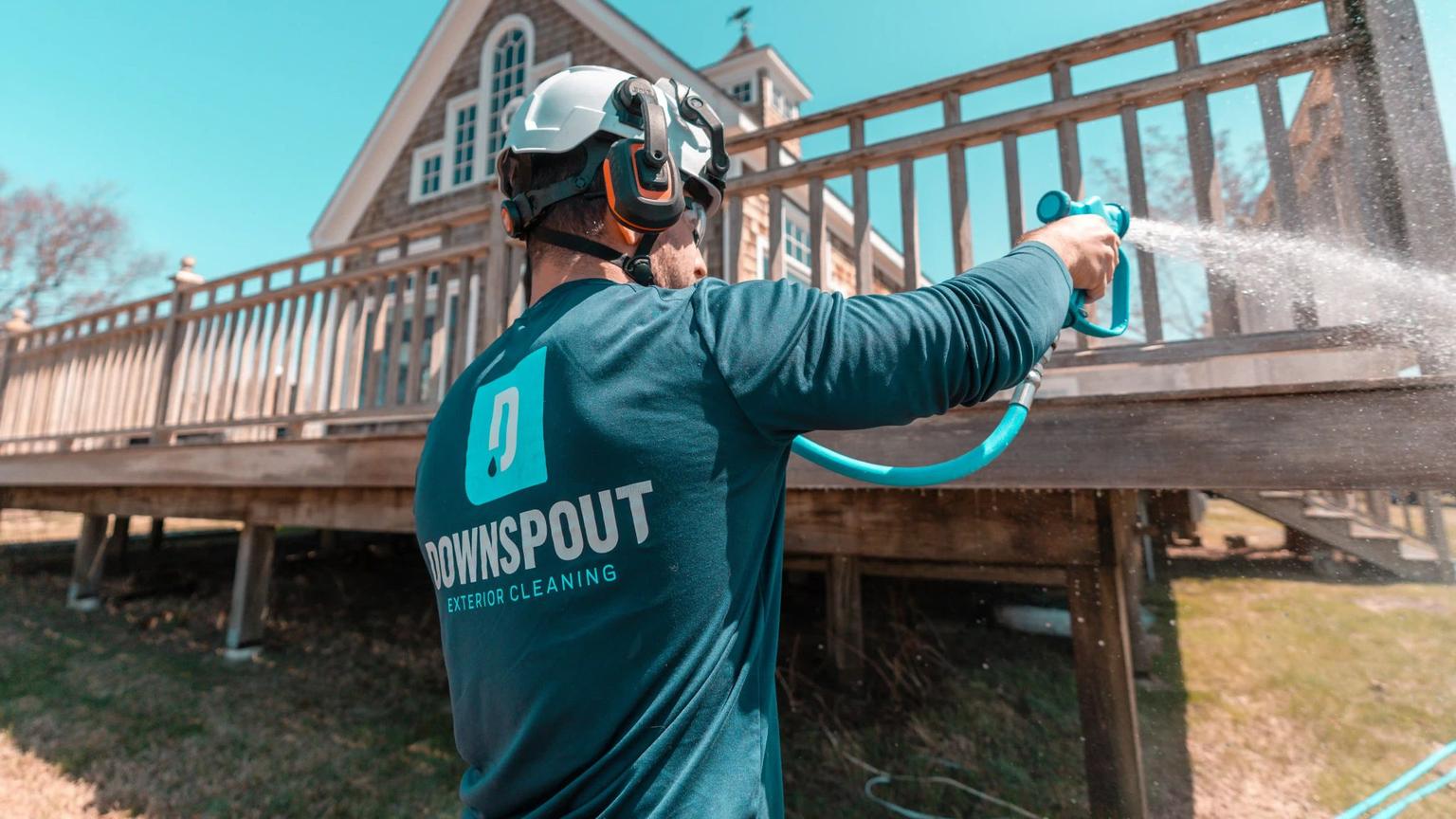
When to Clean Your Roof: 5 Warning Signs
Spot moss, clogged gutters, dark stains, debris, or leaks—these five signs mean your roof needs cleaning. Learn prevention tips and when to call pros.

Regular roof maintenance is essential to prevent costly repairs and extend its lifespan. Ignoring issues like moss, algae, debris, or leaks can lead to expenses ranging from $15,000 to $30,000. Here are five warning signs that it’s time to clean your roof:
- Moss or Algae Growth: Green patches or dark streaks degrade shingles and trap moisture, causing damage.
- Clogged Gutters: Overflowing gutters lead to water backup, wood rot, and even foundation problems.
- Dark Stains on Shingles: Algae streaks or rust stains reduce curb appeal and indicate potential damage.
- Debris on the Roof: Leaves and branches trap moisture, accelerating shingle wear and creating structural risks.
- Water Damage or Leaks: Stains, sagging ceilings, or musty odors signal immediate repair needs.
Simple prevention tips: Trim overhanging branches, clean gutters regularly, and inspect your roof seasonally. For severe issues, hire professionals to ensure proper cleaning without causing further damage.

5 Warning Signs Your Roof Needs Cleaning
How To Know When Its Time To Clean Your Roof - Roof Cleaning Bergen County NJ
sbb-itb-634c8b2
1. Moss or Algae Growing on Your Roof
If you notice green fuzzy patches or dark streaks on your shingles, it’s a sign of moss or algae. These growths can significantly shorten your roof’s lifespan if left unchecked.
Impact on Roof Longevity
Algae, particularly gloeocapsa magma, feeds on the limestone filler in asphalt shingles, gradually breaking them down. Moss, on the other hand, acts like a sponge, holding water against the shingles. This constant moisture weakens the shingles, causing them to soften and lose their strength . Both moss and algae strip away the protective granules on shingles, which are essential for UV protection and fire resistance. If you spot granules in your gutters, it’s a sign that your roof’s protective layer is wearing away.
Algae streaks can also reduce your roof’s ability to reflect sunlight. This means your roof absorbs more heat, speeding up the aging of roofing materials and potentially driving up your cooling costs . Over time, these issues weaken your roof and make it more vulnerable to further damage.
Potential for Structural Damage
Moss doesn’t just sit on the surface - it can grow beneath shingles, causing them to lift, curl, or even detach . This creates openings for water to seep into your home. As Brian Blanchette from Roberts Roofs Inc. explains:
"Moss retains moisture, which can deteriorate roofing materials, leading to leaks and structural issues".
Thick moss growth adds weight to your roof, which is especially risky in areas with heavy snowfall. The moisture trapped by moss can seep into the roof deck, leading to wood rot and structural decay . In damp conditions, mold can start growing within just 24 to 48 hours. Repairs for severe mold and rot can cost anywhere from $15,000 to $30,000. Catching these problems early makes them much easier (and cheaper) to address.
Ease of Prevention or Resolution
The earlier you catch moss and algae, the easier they are to remove. For light growth, try applying a solution of 50/50 water and bleach or vinegar. Let it sit for 15–30 minutes, then rinse it off with a garden hose . Avoid using a pressure washer - the high pressure can strip away the protective granules and may even void your roof’s warranty.
For long-term prevention, you can install zinc or copper strips along the roof ridge. When rainwater flows over these strips, it carries metallic ions down the roof, which act as a natural fungicide. Trimming overhanging tree branches also helps by increasing sunlight exposure, which reduces the dampness that moss thrives on .
North-facing roof slopes are particularly prone to moss and algae since they receive less sunlight and stay damp longer. Regular roof inspections are key to spotting early signs of growth before they cause serious damage .
2. Gutters Filled with Debris
Overflowing gutters or even plants sprouting from them are clear signals of potential roof trouble.
Impact on Roof Longevity
When gutters are clogged, they trap moisture along the roof's edge. This speeds up the deterioration of asphalt shingles and wood, while also encouraging moss, algae, and lichen to grow. Over time, this can lead to leaks inside your home.
Although most roofs are built to last between 15 and 30 years, neglecting your gutters can drastically shorten that lifespan. The issue becomes even more severe in winter. Scott Kegerreis, Owner of Kura Home Services, explains:
"Leaves and debris often clog gutters in the fall, which can cause water to back up and freeze [in winter], leading to roof damage or leaks".
One red flag to watch for in winter is large icicles. If they’re 3 to 5 inches wide at the top and hang down 3 feet or more, it's a sign of serious drainage problems caused by clogged gutters.
Potential for Structural Damage
Wet leaves, twigs, and standing water add a lot of weight to your gutters. This extra strain can cause them to sag, pull away from the fascia, or even collapse entirely. Water that can’t drain properly often backs up under the roofline or seeps into the soffits, leading to wood rot and mold in your attic or ceiling.
Chris Bruno, President of Window Genie, highlights the risks:
"Rust, corrosion, cracks, and gutter failure can trap moisture and accelerate gutter decay, causing cracks or separation from the home".
The problems don’t stop at your roof. Overflowing water can pool near your foundation, potentially leading to cracks, instability, or even basement flooding. Plus, clogged gutters attract pests like mosquitoes, rodents, and insects, which can eventually make their way into your attic or walls.
Ease of Prevention or Resolution
The good news? This is a problem you can often prevent with regular maintenance. Cleaning your gutters twice a year - once in the spring and again in the fall - is usually enough to avoid debris buildup. If your home is surrounded by pine trees, quarterly cleanings might be necessary.
Start by removing large debris, then flush the gutters with a garden hose to ensure downspouts are clear. Gutter guards can reduce how much debris gets in, but regular inspections are still important. Trimming back overhanging branches can also help limit the amount of leaves and twigs falling into your gutters.
For taller homes or if you spot issues like sagging gutters or plant growth, it’s wise to call in professionals. Services like Downspout Services can inspect for hidden damage and ensure everything is in working order .
Staying on top of gutter maintenance is one of the simplest ways to protect your roof and your home.
3. Dark Streaks or Stains on Shingles
Dark, streaky stains on shingles aren't just an eyesore - they can signal deeper problems with your roof. Spotting these issues early is crucial to avoiding expensive repairs.
Aesthetic Concerns
The usual suspect behind these dark streaks is Gloeocapsa magma, a type of blue-green algae. It thrives on the limestone filler found in many modern asphalt shingles. These streaks often show up first on the north-facing slopes of your roof or in shaded areas where moisture tends to linger.
But algae isn’t the only cause. Reddish-brown stains may come from rusting metal fixtures like chimneys, flashing, or vents. You might also notice vertical streaks, known as "bleed-through", which happen when the protective granules on shingles wear away - usually after 12 to 15 years - exposing the black asphalt underneath. While these stains might seem cosmetic, they can hurt your home's curb appeal and hint at more serious roofing issues.
Impact on Roof Longevity
Algae might appear harmless at first, but it creates a damp environment that encourages moss and lichen to grow. Cassie Findley, Content Manager at RoofCrafters, explains:
"Algae... can cause your shingles to deteriorate faster by trapping moisture and encouraging moss or lichen to move in."
When moss takes hold, it traps water, causing shingles to lift, curl, or even detach. This can allow water to seep beneath the roof deck, leading to rot or leaks. Dark streaks also absorb more heat from the sun, raising attic temperatures and forcing your air conditioning to work harder. Baker Home Solutions adds that algae can wear down shingles, reducing their ability to reflect UV rays.
Ease of Prevention or Resolution
To tackle these stains, skip pressure washers - they can strip away the protective granules on your shingles. Instead, use a soft wash method with a diluted bleach solution. Mix one part bleach with three parts water, apply it to the stained areas, and let it sit for 15 to 20 minutes before rinsing with a garden hose. Protect nearby plants by soaking them with water beforehand and covering them with plastic tarps during the process.
For long-term prevention, install zinc or copper strips along your roof ridge. These cost between $50 and $150 and release particles during rain that naturally prevent algae growth. Increasing sunlight exposure on shaded areas can also help keep algae at bay.
If your roof is steep or you're uneasy working at heights, hiring professionals like Downspout Services is a safer option. They can clean your roof and check for any hidden damage. Addressing dark streaks quickly not only improves your roof’s appearance but also strengthens its overall durability and efficiency.
4. Leaves, Branches, and Other Debris on the Roof
When leaves, twigs, and branches collect on your roof, they trap moisture, creating the perfect conditions for mold, mildew, and fungus to thrive. Rebeccah Milburn from Evergreen Roof Cleaning highlights the risks:
"Keeping branches and twigs on your roof for long periods of time can not only be dangerous for the health of the roof, but also be the home to organisms that are destroying your roof."
Just like clogged gutters, debris on your roof can lead to significant damage if left unaddressed.
Impact on Roof Longevity
When leaves stay wet, they can wear away the protective mineral granules on shingles, reducing their lifespan and increasing the likelihood of water infiltration. Additionally, debris that collects in roof valleys can block drainage, causing water to pool and seep under roofing materials. Bill Ragan of Bill Ragan Roofing describes this blockage as creating a "dam" effect, which prevents water from flowing to the gutters and leads to moisture penetrating the roof. Regularly clearing debris is essential to maintaining your roof’s durability and avoiding expensive repairs.
Potential for Structural Damage
Excessive debris adds unnecessary weight, which can warp your roof or even cause structural problems. Large branches pose an even greater threat, as they can puncture shingles, dent roofing surfaces, or even crack support beams. Letitia Hanke, President & CEO of ARS Roofing & Gutters, explains:
"Heavy branches can dent or crack shingles, break and collapse gutters or downspouts, and potentially crack and damage roofing structures."
Inside your home, warning signs like sagging ceilings, new wall cracks, or doors and windows that no longer close properly could indicate your roof’s structural integrity is at risk.
Ease of Prevention or Resolution
Preventing debris buildup is relatively simple. Trim back tree branches that hang over your roof to reduce the amount of organic material that can fall onto it. Use tools like a roof rake or a soft-bristle broom to clear away loose debris, working carefully from the bottom up. For steeper roofs or larger debris, it’s best to call in professionals, such as Downspout Services, who have the right equipment and expertise to clean your roof without causing damage. Experts generally recommend cleaning your roof every one to two years to avoid long-term issues.
5. Signs of Water Damage or Leaks
Water damage is a serious red flag that your roof might need immediate attention. Unlike issues like debris or algae, leaks can quickly escalate from minor annoyances to major structural problems. In fact, about 39.5% of asphalt shingle roof repair requests are specifically due to water leaks. While moss and clogged gutters signal maintenance needs, water leaks demand swift action to protect your home's structural integrity. Let's dive into how water damage impacts your roof, the risks it poses, and how you can prevent costly repairs.
Impact on Roof Longevity
When water seeps into roofing materials, it accelerates granule loss, which is critical for a shingle's ability to shed water. Think of granule loss like worn-out tire tread - once it’s gone, the shingles can’t do their job properly. While asphalt shingles are designed to last anywhere from 20 to 50 years, persistent leaks can cause them to deteriorate much faster. This premature decay not only weakens the shingles but also opens the door for more water to infiltrate your roof.
Potential for Structural Damage
Water doesn’t just affect the roof - it can wreak havoc on your home’s structural components. When water flows along rafters, it can rot wood framing, cause ceilings to sag, and even create electrical hazards or mold growth. Ami Feller, Owner of Roofer Chicks, sheds light on how water damage often goes unnoticed:
"Water generally will flow across the top of the sheetrock or plaster until it finds the lowest point, and that is where the water will appear. Often that means the water comes into light fixtures, because the weight of the fixture slightly pulls down the drywall."
This hidden flow of water can lead to dangerous situations. For instance, water that comes into contact with electrical wiring in attics or light fixtures increases the risk of electrical fires or electrocution. Additionally, damp conditions can lead to mold growth within just 24 to 48 hours, which can harm your indoor air quality.
Ease of Prevention or Resolution
Spotting leaks early can save you thousands in repair costs. Repairs typically average around $900 but can climb to $3,000 or more if structural elements are compromised. Regular inspections of your attic for damp insulation, musty odors, or even daylight shining through roof boards can help you catch issues before they become visible on your ceilings.
Professional roofer Mark Soto from Roofing MKE shares this practical advice:
"As a rule of thumb, roofs should be sealed every five years. Another way to prevent roof leaks is to trim tree branches that rest close to the roof."
If you notice water stains - brown, yellow, or rust-colored - peeling paint, or bulging drywall, document the damage with dated photos for insurance purposes. For locating leaks, professional services like Downspout Services can help pinpoint entry points, which are often several feet away from the visible drip, and address the issue before it causes extensive damage.
Conclusion
Spotting and addressing early warning signs on your roof is crucial for extending its lifespan. Your roof is your home's first line of defense, but issues like moss, algae, debris, or water damage can weaken its performance. These aren't just surface-level problems - taking care of them early could save you from spending $15,000 to $30,000 or more on serious mold and structural repairs.
While DIY cleaning might seem like a budget-friendly option, it comes with risks. High-pressure washing can strip away the protective granules on shingles, void warranties, and create safety hazards when working on ladders. This is why professional soft washing is often the smarter choice.
Soft washing uses low-pressure water combined with specialized solutions to eliminate harmful organisms at their roots without damaging your roof. This method not only prevents regrowth for up to a year but also helps your roof reflect heat more effectively, potentially reducing summer cooling costs. Routine professional maintenance also provides an opportunity for trained experts to catch hidden problems - like sagging, missing shingles, or early leaks - before they escalate.
With proper care, most asphalt shingle roofs can last 15 to 30 years. However, neglect can significantly cut that lifespan short.
If you're in Rhode Island or parts of Connecticut, Downspout Services offers free estimates and tailored cleaning solutions to meet your property's needs. From roof washing to gutter cleaning, their team ensures your home stays protected with proper drainage. Scheduling seasonal inspections - once in the spring after winter storms and again in the fall before leaves accumulate - can help keep your roof in peak condition year-round.
Reach out to Downspout Services today to request your free estimate and stop small problems from turning into expensive repairs.
FAQs
How often should I clean my roof?
Cleaning your roof every 1 to 5 years is a good rule of thumb. The exact timing depends on factors like your roofing material, local climate, and whether you notice issues like moss, algae, debris, or stains. Regular maintenance not only keeps your roof looking good but also extends its lifespan and helps you avoid expensive repairs down the road.
Is it safe to pressure wash a shingle roof?
No, using a pressure washer on a shingle roof is not a good idea. The high pressure can strip away the protective granules on the shingles, leading to damage and reducing the roof's lifespan. Instead, opt for gentler cleaning methods, like a soft wash system, which uses low pressure combined with specialized cleaning solutions to safely remove dirt, algae, and debris while preserving the roof’s condition.
When should I call a professional for roof cleaning?
If you spot dark streaks, moss, algae growth, clogged gutters, discoloration, or water stains on your roof, it’s time to call a professional for cleaning. These are warning signs of buildup that can harm your roof over time. Persistent debris, moss, or discoloration after storms, as well as water pooling or drainage problems, are also reasons to act. Professional cleaning can address these issues, helping to prevent further damage and prolong the life of your roof.