

Why Salt Air Changes How We Wash North Kingstown Homes
Salt air changes coastal house washing—pick the right cleaner, set dilution and dwell time, and use soft wash for delicate siding.
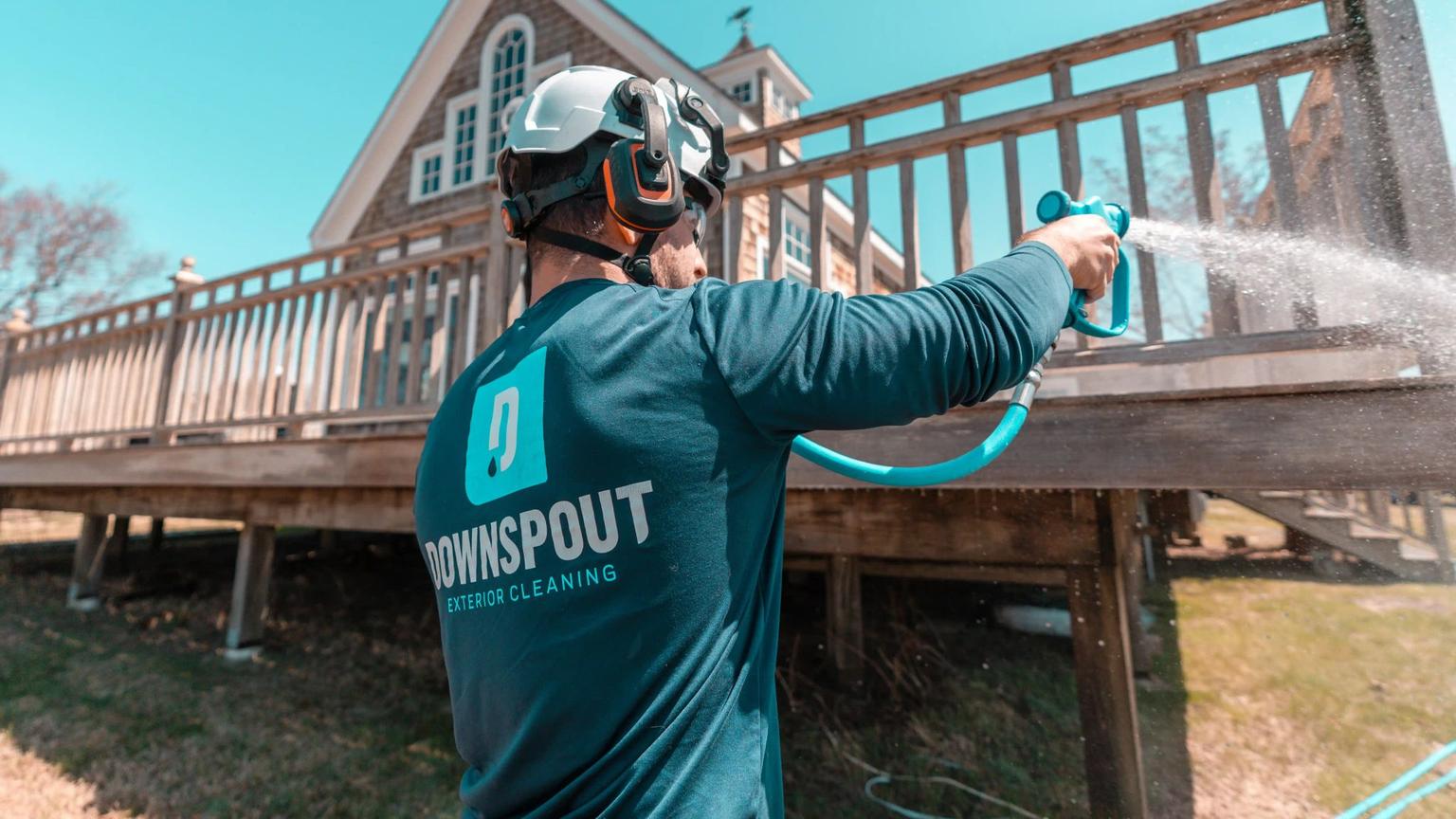
Salt air calls for the right cleaner, not more pressure. Before washing your North Kingstown home, check each surface for salt film, organic stains, and damage, then test a hidden spot.
Your wash plan should cover 3 things: cleaner dilution, dwell time, and controlled rinsing. Use soft washing on compatible siding and finishes; reserve pressure washing for approved, sound hard surfaces. See the soft washing vs pressure washing comparison for which surfaces suit each method. Keep cleaner from drying, protect plants, and direct spray away from seams, vents, and electrical fixtures.
Washing removes buildup, but it won’t fix leaks or trapped moisture. Check surfaces again after they dry, address moisture problems, and plan future cleaning around returning buildup, not a fixed schedule. When buildup returns, book house washing, a low-pressure soft wash that protects siding and paint.

North Kingstown Coastal House-Washing Checklist
Inspect Exterior Materials Before House Washing
Identify each exterior material separately: vinyl, fiber-cement, painted wood, cedar, stucco, masonry, and concrete. Then check for damage and exposure that affect cleaner dilution and washing method.
Look for organic growth, salt film, chalking, oxidation, repairs, worn coatings, and loose mortar. These details guide detergent strength, dwell time, and where to use soft washing instead of pressure washing. Gray cedar isn’t always dirty. Natural weathering doesn’t call for aggressive cleaning.
Check for Damage and Bay Exposure
Photograph failed caulking around windows, doors, vents, and utility penetrations. Also document loose trim, cracked or warped siding, open soffit or foundation vents, damaged stucco, and exposed electrical fixtures or wiring.
Protect damaged areas before washing, since high pressure can make existing problems worse. Keep spray away from electrical fixtures, and have a qualified professional address wet or damaged wiring.
Compare bay-facing walls with sheltered sides of the house. Note which areas face prevailing bay winds, receive salt spray in South Kingstown, or stay shaded and damp. Check beneath eaves and behind downspouts for persistent moisture, overflowing gutters, or leaks. These moisture sources can keep feeding organic growth, and washing alone won’t fix them.
Follow Material Guidance and Test First
Match the cleaner to the siding and its coating.
For fiber-cement siding, follow the siding and cleaner instructions together; James Hardie calls for low-pressure water and a soft, nonmetal brush.
A method that works on concrete may damage the siding above it.
After documenting damage, test the process on a hidden spot of each material or coating. Let it dry, then check for color changes, softened paint, lifted wood fibers, or mortar loss before continuing. Don’t mix cleaners unless the label allows it. Bleach mixed with ammonia or acids can release hazardous gas.
sbb-itb-634c8b2
Set Detergent Dilution, Dwell Time, and Rinsing
After checking the surface and testing a spot, set your detergent mix and rinse plan.
Match dilution to the stain and surface. Follow the label’s mixing directions for the material and finish you’ve identified and tested. A stronger mix can damage plants and finishes without cleaning any better.
Apply at Low Pressure and Keep Cleaner Wet
Apply the mix with even, controlled coverage - not more pressure. Pre-rinse loose salt if the surface and cleaner instructions allow it. Protect nearby plants as directed, then apply detergent at low pressure to wet the siding evenly without scouring it. If the label permits, work from the bottom up to limit streaks on clean sections.
Dwell time is working time, not drying time. Follow the approved dwell time for the tested surface. Treat only as much wall as you can watch and rinse before the cleaner dries. Sun, warm surfaces, and coastal wind can shorten that window; cool shade can keep cleaner wet longer. Adjust the size of your work area rather than mixing beyond approved limits. Reapply lightly only if the instructions allow it. If the cleaner starts drying, pause and rinse that area.
Rinse Without Forcing Water Into Openings
Rinse from the top down with a controlled, fan-shaped spray. Aim slightly downward, not up beneath siding laps. Keep spray out of vents, soffits, window seals, and electrical openings. Pay extra attention to ledges, corners, and lower trim, where cleaner and loosened film can collect.
On walls exposed to wind, work in smaller areas or move to a sheltered side. Stop if you can’t control spray drift. Before moving on, check for film, streaks, and residue around trim. If residue remains, check the product instructions - not higher pressure or a stronger detergent mix.
Soft Washing vs. Pressure Washing for Coastal Homes
Once you’ve chosen the detergent and rinse approach, match the cleaning method to each exterior surface. Salt exposure doesn’t mean you need more pressure. It means you need the right treatment for the material.
For North Kingstown homes, assess bay-facing walls and shaded siding separately from durable hardscapes. Use soft washing for delicate materials and pressure washing only on approved durable surfaces.
| Method | Primary action | Best use | Main risk |
|---|---|---|---|
| Soft washing | Low-pressure detergent application and rinsing | Compatible siding, painted finishes, wood, cedar, stucco, and roofs, where guidance permits | Incorrect cleaner, excessive dwell time, or water intrusion |
| Pressure washing | Higher-force cleaning with controlled nozzle, distance, and technique | Sound concrete, suitable masonry, and approved durable surfaces | Etching, stripped coatings, gouging, or water intrusion |
Choose the Method by Surface
Treat each material separately. Cedar trim shouldn’t automatically get the same treatment as a concrete walkway. Follow manufacturer guidance for roofs: aggressive pressure can damage shingles and remove protective granules. Our guide to soft washing vs. pressure washing explains the differences in more detail.
With the method matched to each surface, the wash can proceed through a controlled, step-by-step process.
A House-Washing Process for Coastal Properties
Once you’ve chosen a cleaning method, prepare the property. Close doors and windows, protect fixtures and nearby surfaces, and pre-wet and shield sensitive plants. Keep wash water out of storm drains by controlling runoff.
Follow the cleaner’s label for dilution and dwell time on the surface you’re washing, not a fixed coastal mix. Test a hidden spot first, then apply at low pressure. Work in sections so you can rinse before the cleaner dries. Rinse every section, keeping spray away from openings, and rinse nearby vegetation after.
Check Results and Plan Future Cleaning
Let surfaces dry after rinsing, then inspect bay-facing walls and shaded areas, which hold the most salt and moisture. Check lower siding, trim, and gutters for film, streaks, or remaining growth.
Treat the affected spots again, not the whole house, using the same surface-approved method. Watch those areas after humid weather and storms, and clean again when buildup returns. How often to wash a house exterior gives coastal baselines to adjust from.
Conclusion: Match the Wash to the Salt, Not the Pressure
Coastal washing works when the cleaner, dwell time, and rinse match the surface. Bay-facing walls and shaded areas hold the most salt and moisture, so inspect them after the wash dries, treat the spots that need it again, and clean again when buildup returns.
For a property-specific plan, request a free estimate for a house soft wash and share the details noted during inspection: siding, stains, repairs, landscaping, and bay-facing walls. Those details let the estimate match each surface instead of applying one coastal mix to the whole house. Downspout Services provides cleaning services in North Kingstown, from Wickford Village to Quonset Point, including coastal properties where salt air adds mildew and grime.
FAQs
How can I tell salt residue from siding oxidation?
Salt residue usually shows up as white crystals on siding and trim, especially near the coast. Oxidation or fading tends to look like even dullness or a color change on sun-exposed surfaces. Washing won’t remove it.
To check, wipe the area with a clean white cloth. If residue transfers to the cloth, it’s likely surface grime or salt that professional cleaning can remove.
When does coastal buildup need professional house washing?
Professional house washing is needed when salt residue or white crystals appear on siding or trim, or when you spot algae, mildew, or dark green or black streaks. These signs often show up in shaded, damp areas near the bay.
Coastal homes are typically washed every 3–6 months to remove salt film. If it’s been longer - or buildup is heavy - book soft washing, which uses low pressure and cleaning chemicals, rather than high-pressure washing.
Should I rinse salt off my siding after storms?
Yes - especially on coastal homes, where salt residue helps grime, algae, and mildew build up faster. A gentle rinse after storms can help wash away salt deposits.
Stick to soft washing or low-pressure rinsing, and don’t spray upward into siding seams or overlaps. Water can get behind the siding and cause hidden moisture, mold, and rot. Higher pressure also increases the risk of damage to vinyl and older or brittle siding.
