Why Your Rhode Island Windows Keep Getting White Stains
Why mineral-rich water leaves white stains on Rhode Island windows, how to spot etching, DIY fixes, and when to call a pro.
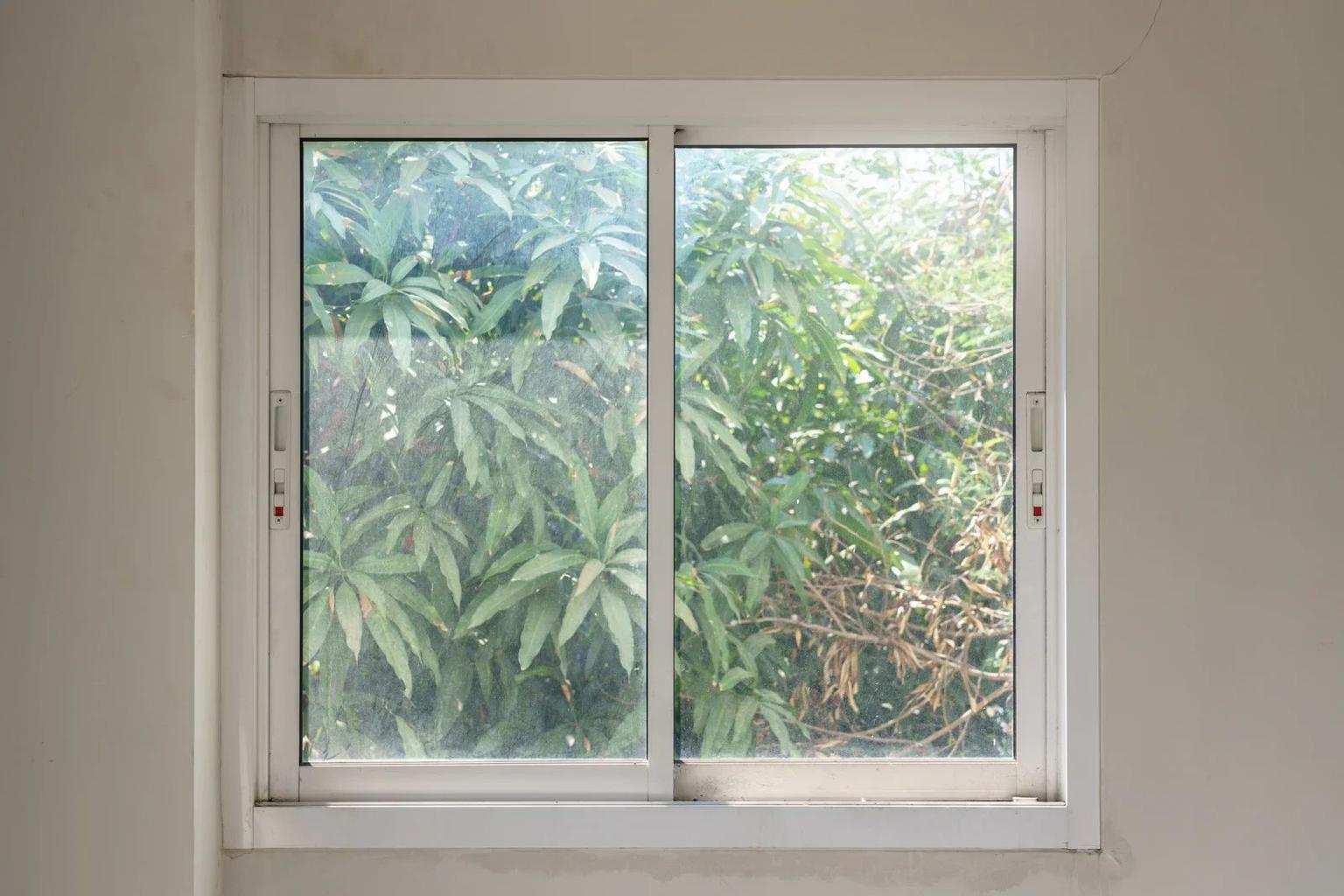
The short answer: your windows keep getting white stains because water dries on the glass and leaves minerals behind. In Rhode Island, that usually means sprinkler spray, salt air, hose water, or runoff from nearby masonry. If it keeps happening, the marks can shift from a removable film to glass damage.
Here’s the plain version:
- White stains are usually mineral deposits, not dust
- Glass cleaner often won’t remove them
- Vinegar may help if the buildup is still on the surface
- Rough or pitted glass often means the stain has started damaging the glass
- Low-E windows need extra care, because some cleaners can harm the coating
- Stopping the water source is the main way to keep the stains from coming back
A simple way I’d look at it:
| What I see | What it often means | What I’d do first |
|---|---|---|
| Light white film or spots | Surface mineral buildup | Test a small area with vinegar and distilled water |
| White rings, haze, or rough feel | Bonded deposits | Stop scrubbing and look at pro cleaning or power washing services |
| Cloudiness that stays after cleaning | Etching | Expect partial improvement at best |
A few facts matter here. Hard water minerals like calcium, magnesium, and silica are the main cause of these stains. And once deposits sit through repeated wet-dry cycles, heat and sun can make them stick harder. That’s why a window may look better when wet, then turn white again after it dries.
If you want the direct answer before reading anything else, it’s this: most Rhode Island window white stains start as mineral residue, but they turn into etching if water keeps hitting the same glass over and over.
Below, I’ll keep it simple: what the stains are, how to tell surface buildup from damage, what you can try at home, and when it makes sense to stop and call for help.
sbb-itb-634c8b2
What the white residue on your windows actually is
That white film is mineral residue. It usually comes from calcium, magnesium, and silica left behind after water dries on the glass. Hard water stains form when mineral-rich water evaporates and leaves those deposits behind.
Here’s the problem: every wet-dry cycle adds another layer. If the window gets a lot of sun, the water dries faster, which means the minerals stick faster too. Leave it alone long enough, and the buildup starts bonding more tightly to the glass. At that point, it’s much harder to remove.
Hard water deposits versus regular dirt
This matters because dirt and mineral residue are not the same thing.
Regular grime like dust, pollen, and soot usually sits on the surface. It’s loose, and in most cases, a standard glass cleaner and a wipe will take care of it.
Mineral staining behaves differently. It tends to show up as cloudy patches, a milky film, or white rings. And it usually won’t come off with basic cleaning products. That’s because the minerals have bonded to the glass surface instead of just sitting on top.
Common sources of mineral staining in Rhode Island
In Rhode Island, mineral staining often comes from repeated contact with water sources like:
- Sprinkler overspray
- Coastal spray
- Roof runoff
- Hose water
Each one can hit the glass again and again, dry in place, and leave another layer behind. That’s why the staining often comes back even after you clean the window.
The main thing to figure out is simple: is the residue still sitting on the surface, or has it already started to etch the glass?
Why white stains keep coming back
White stains return for a simple reason: every time mineral-heavy water dries on the glass, it leaves minerals behind. Then the next round adds one more layer.
That’s why glass can look clear when it’s wet, then turn hazy again as soon as it dries. Standard cleaning often wipes away loose residue, but it may leave the harder stuff stuck in place. And over time, those repeat deposits can start bonding to the glass.
How mineral buildup bonds to glass over time
When deposits sit on the glass for longer periods, sun and heat make the problem worse. They help the minerals cling more tightly, almost like they’re baking onto the surface.
The longer those deposits stay put, the harder they are to remove. At that stage, the key issue is whether the stain is still sitting on the surface or whether it has already etched the glass.
Rhode Island conditions that make the problem worse
In Rhode Island, a few local conditions can make this issue show up faster. Irrigation systems that use mineral-heavy water leave more residue on windows. If that water keeps hitting the glass through the growing season, buildup can stack up in a hurry.
Coastal air adds extra moisture and minerals, which can speed up the process. Older storm windows can also make things worse, along with shaded or screened glass that dries more slowly. When water lingers, minerals get more time to bond.
That’s why the next step is checking whether the mark is still removable.
How to tell surface staining from permanent etching

3 Stages of Window White Stains: Surface Buildup to Permanent Etching
Not every white mark means the same thing. Sometimes it’s mineral residue sitting on the glass. Other times, it’s permanent etching.
3 stages of glass damage: light spots, moderate buildup, and etching
- Stage 1 - Light surface haze: Mineral buildup is sitting on top of the glass. DIY cleaning may work.
- Stage 2 - Partial etching with a rough feel: Minerals have started to bond to the glass surface and form tiny pits. At this point, you’ll often need professional help.
- Stage 3 - Permanent etching: Long-term exposure has changed the glass itself. The damage may improve, but it usually won’t go away fully.
Simple checks you can do at home before calling a pro
Once you have a sense of the stage, the next step is figuring out whether the stain still comes off with a basic home test.
The vinegar spot test: Apply a vinegar-and-water solution to a small area. If the staining dissolves or wipes away cleanly, you’re probably looking at Stage 1. If nothing changes, the minerals have already bonded to the glass.
The touch test: Run a knuckle or fingernail across the dry glass. Stage 1 deposits usually feel smooth or a little chalky. Stage 2 or 3 damage feels rough or slightly pitted. That texture is a big clue: the glass hasn’t just been coated, it’s been changed.
It also helps to look at the stain pattern. Circular rings, vertical streaks, or a flat haze across the whole pane can each hint at a different source.
Before using any acidic cleaner, check whether your windows have a Low-E coating. A lot of newer windows do. And if you use the wrong cleaner, you can permanently strip that coating off. That turns a fixable surface staining issue into a much more expensive problem.
If the stain passes the vinegar test, the next move is picking the right house washing or pressure washing method before the damage sinks in further.
What works, what does not, and when to call a professional
If the stain passed the vinegar test but you can still see it, the next step depends on how far the damage has gone.
DIY options for early-stage mineral buildup
Before you use any acidic cleaner, check whether the glass has a Low-E coating. Acid can damage coated glass.
If you're dealing with fresh surface spots and there’s no pitting yet, a few DIY fixes are worth a shot on ground-level windows. A 1:1 mix of white vinegar and distilled water is the safest place to start. Citric acid can work on uncoated glass, but skip it on Low-E windows. A mild baking soda paste may help with light surface film.
One small detail matters a lot here: always mix cleaners with distilled water, not tap water. Using tap water can leave more mineral residue behind.
And don’t get aggressive. Avoid:
- Razor blades
- Steel wool
- Abrasive pads
Those tools can scratch the glass for good and turn a cleaning issue into a replacement bill.
If the stain doesn’t move or the glass feels rough to the touch, stop there. That usually means DIY cleaning has hit its limit, and it’s time to look at pro removal.
How professional window washing handles stubborn white stains
DIY methods tend to stop working once the minerals start bonding to the glass. At Stage 2, the deposits create tiny pits that vinegar can’t undo. That’s when pros usually switch to a two-step window washing process: an acid treatment to loosen the mineral layer, followed by cerium oxide polishing to clear the leftover haze. They also finish with mineral-free rinse water, which helps keep new residue from forming during the rinse.
If the windows are on an upper story, it makes even more sense to bring in a pro for safe access.
| Stain Stage | DIY Likely to Work? | Professional Cleaning Likely to Work? |
|---|---|---|
| Stage 1 | Yes | Yes |
| Stage 2 | No | Yes |
| Stage 3 | No | Partial improvement only |
By Stage 3, even polishing has limits. At that point, the glass itself has changed. Full clarity usually won’t come back, so replacement is often the practical move.
How to stop the stains from coming back
Cleaning gets rid of the stain. Fixing the water source helps keep the next one from showing up.
In Rhode Island, irrigation overspray and coastal salt air are the main reasons these stains return. If sprinklers are hitting the windows, adjusting the spray pattern removes the biggest source. On coastal properties, the exposure doesn’t stop, so the goal is to keep buildup from sitting long enough to bond. Regular exterior cleaning helps prevent that next layer from settling in.
Conclusion: The main reason Rhode Island windows get white stains
The short answer: mineral deposits left behind by evaporating water.
When water dries on glass, it leaves minerals behind - things like calcium, magnesium, and silica. That’s why a window can look clean right after washing, then turn hazy again after the next dry cycle. In Rhode Island, coastal salt air and irrigation overspray keep that pattern going.
The stage of the buildup matters too. Fresh deposits are usually still sitting on the surface. Bonded buildup often needs professional treatment. And after long exposure, the damage can turn into permanent etching. That lines up with the surface-staining-to-etching progression described above.
Once deposits etch the glass, cleaning alone won’t bring back full clarity.
So the first move is simple: stop the water source, then clean what’s already on the glass. Downspout Services removes hard water deposits from Rhode Island windows before they etch. Get an assessment before the damage becomes permanent.
FAQs
Can white window stains become permanent?
Yes. White window stains from mineral deposits can become permanent if they turn into glass etching or corrosion.
Once that happens, the glass surface has been damaged at a deeper level and can't be fully restored.
How do I know if my windows have Low-E glass?
You can tell if your windows have Low-E glass by checking for a thin metallic oxide coating. This is common on about 75% of residential windows installed after 2000.
It’s worth confirming before using any chemical treatment, so you can help avoid damage.
How often should coastal windows be cleaned?
Coastal windows should usually be cleaned 2–4 times per year.
If the property sits in a high-traffic area or gets heavier exposure to salt, sand, and ocean air, more frequent cleaning may be needed.