Roof Soft Washing vs Pressure Washing: RI Guide
Soft washing protects RI roofs from algae and granule loss; pressure washing risks damage and is best for hard surfaces.
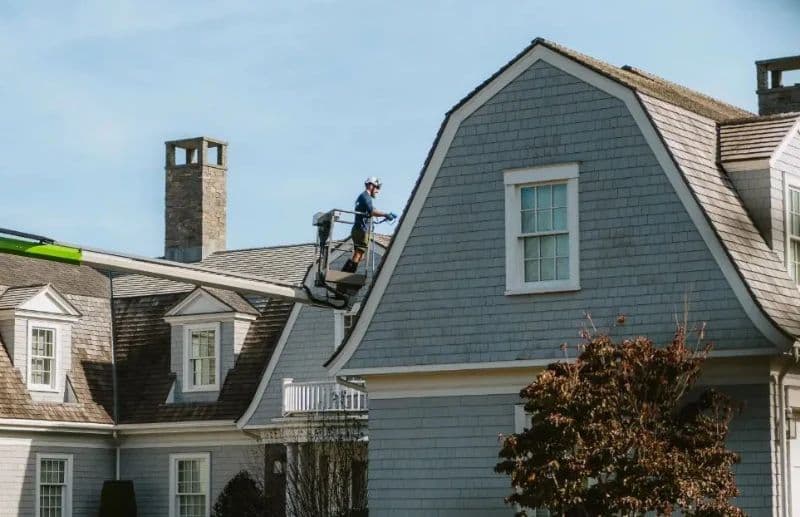
Soft washing and pressure washing are two methods for cleaning roofs, but they differ significantly in approach and suitability for different materials. Soft washing uses low pressure (100–500 PSI) and biodegradable cleaning solutions, making it ideal for delicate roofing materials like asphalt shingles and cedar shakes. Pressure washing, on the other hand, relies on high-pressure water (1,200–4,000 PSI) to remove grime and is better suited for durable surfaces like concrete or clay tiles.
Key Points:
- Soft Washing: Gentle, safe for fragile surfaces, targets algae and moss at the root, and uses less water.
- Pressure Washing: High-pressure cleaning, effective for tough stains on hard surfaces, but risky for delicate roofs.
Quick Comparison:
| Factor | Soft Washing | Pressure Washing |
|---|---|---|
| Water Pressure | 100–500 PSI | 1,200–4,000 PSI |
| Best For | Asphalt shingles, cedar, tile roofs | Concrete, clay tiles, masonry |
| Cleaning Agent | Biodegradable solutions | High-pressure water |
| Risk of Damage | Low | High for delicate materials |
| Cost Range | $250–$500 | Varies by surface size |
For Rhode Island's humid climate, which encourages algae and moss growth, soft washing is the safer, more effective choice for maintaining roof integrity and appearance.

Soft Washing vs Pressure Washing for Roofs: Complete Comparison Guide
sbb-itb-634c8b2
What is Soft Washing for Roofs?
Soft washing is a low-pressure cleaning method specifically designed for delicate surfaces like roof shingles. Unlike power washing, which uses high-pressure water jets, soft washing operates at just 150 to 300 PSI and incorporates specialized cleaning solutions to break down and eliminate organic growth effectively.
Here’s how it stands out: instead of relying on sheer force, soft washing uses biodegradable cleaning agents to target and dissolve algae, moss, mold, mildew, and pollen at their source. This method is particularly effective against Gloeocapsa magma, the black algae often seen on roofs in Rhode Island.
One of its biggest advantages is that it destroys the root systems of fungi and other organic growth, which slows regrowth compared to surface-level cleaning. It also uses much less water, making it an environmentally conscious choice for homeowners in Rhode Island. This combination of low pressure and chemical treatment ensures safe and thorough cleaning.
How Soft Washing Works
The process starts with a solution made of 12% sodium hypochlorite mixed with 88% water. This solution is applied using low-pressure nozzles, typically black or white, which keep the pressure below 300 PSI.
A key ingredient is the surfactant, which helps the solution stick to the roof’s surface longer. This increased contact time allows the chemicals to penetrate deeply and kill spores at their roots instead of just rinsing them off. The solution is delivered using either a 12-volt electric pump system with a tank or by "downstreaming" chemicals through a pressure washer equipped with low-pressure nozzles. This makes it adaptable to various roofing materials and the specific environmental conditions in Rhode Island.
Professionals also take extra steps to protect your property, such as using neutralizers and plant protectants to prevent chemical runoff from harming landscaping. Odor maskers are often added to reduce the strong bleach smell during the process. These thoughtful measures highlight the care and precision involved in soft washing.
Benefits of Soft Washing
Soft washing is a gentle yet effective way to clean roofs, and it offers several benefits:
- Protects roofing materials: Operating at 150 to 300 PSI prevents damage like stripping granules from asphalt shingles or dislodging tiles.
- Versatile for different surfaces: It works well on materials like asphalt shingles, cedar shakes, vinyl siding, and even aged brick. Unlike high-pressure methods, it won’t damage mortar or chip paint.
- Lasting results: By killing organic growth at the root level, soft washing keeps your roof cleaner for a longer period compared to surface-only cleaning.
On average, professional soft washing services cost between $250 and $500, though prices can climb as high as $1,000 for specialized treatments. This method offers an effective, safe, and environmentally friendly way to maintain your roof's appearance and integrity.
What is Pressure Washing for Roofs?
Pressure washing is a cleaning technique that uses high-pressure water jets to remove dirt, debris, and biological growth from exterior surfaces. Unlike house washing vs pressure washing differences where soft washing primarily relies on chemical solutions, pressure washing depends on the force of water to physically dislodge contaminants. The equipment typically operates with pressures ranging from 1,200 PSI to 3,500 PSI and delivers water at a rate of 2.5 to 5.0 gallons per minute. As the National Roof Cleaning Authority explains:
"operates in a range typically between 1,200 PSI and 3,500 PSI, using mechanical force as the primary cleaning agent".
When water is heated above 180°F, the process is referred to as power washing. The added heat enhances the removal of moss, algae, lichen, and oxidation, making it even more effective for tougher stains and biological growth.
However, the intense force of pressure washing can pose risks to certain roofing materials. For example, applying pressure above 100 PSI on asphalt shingles can lead to granule loss, which accelerates UV damage and may void manufacturer warranties. Because of this, pressure washing is best suited for sturdy materials like concrete tile, clay tile, or masonry, which are less vulnerable to damage.
How Pressure Washing Works
Pressure washing relies on a combination of specialized nozzles, water pressure, and precise positioning to control the cleaning impact. Operators can adjust the nozzle angles (commonly 0°, 15°, or 25°) to modify the water's force and spread. The National Roof Cleaning Authority highlights the importance of these variables:
"the critical variable in pressure washing is impact pressure at the surface, which is a product of PSI, nozzle angle, water volume... and standoff distance".
To avoid damaging the roof, professionals maintain a standoff distance of 12 to 36 inches. This is particularly important in areas like Rhode Island, where high humidity can encourage biological growth. For materials like concrete or clay tiles, the pressure is typically capped at around 1,500 PSI to align with manufacturer recommendations and prevent surface damage.
Benefits of Pressure Washing
Pressure washing is an effective method for removing stubborn dirt, oxidation, and biological growth from durable roofing materials. For homeowners with concrete or clay tile roofs, it offers a quick and efficient way to restore the roof's appearance, especially in humid climates like Rhode Island. However, due to the potential risks associated with asphalt shingles, this method is not recommended for roofs that rely on granules for protection.
Soft Washing vs Pressure Washing: Side-by-Side Comparison
When it comes to cleaning roofing materials, especially in Rhode Island's humid climate, understanding the differences between soft washing and pressure washing is key. These two methods vary significantly, particularly in terms of water pressure and cleaning approach.
Soft washing operates at a gentler pressure - between 100 and 500 PSI - while pressure washing ranges from 1,200 to 4,000 PSI. This difference in force can have major implications for delicate materials like asphalt shingles. As the National Roof Cleaning Authority explains:
"A single pass at 2,500 PSI can remove measurable granule mass from a 20-year-old shingle that soft washing at 60 PSI would leave intact".
The methods also diverge in their cleaning strategies. Soft washing uses biodegradable solutions with sodium hypochlorite (1% to 6%) to kill algae, moss, and lichen at the root level. These solutions typically require a dwell time of 10 to 30 minutes to work effectively. On the other hand, pressure washing relies solely on high-pressure water to blast away debris. While this approach removes visible dirt, it may leave behind spores, leading to quicker regrowth.
Comparison Table
| Factor | Soft Washing | Pressure Washing |
|---|---|---|
| Water Pressure | 100–500 PSI | 1,200–4,000 PSI |
| Main Cleaning Agent | Biodegradable chemical solutions (biocides) | Mechanical force (water impact) |
| Roof Material Suitability | Ideal for delicate surfaces such as asphalt shingles, wood, and clay tile | Best for hard, non-porous surfaces (e.g., concrete tile, masonry) |
| Risk of Damage | Minimal | High (can cause granule loss, leaks, or broken tiles) |
| Result Timing | Gradual (develops over hours or days) | Immediate |
| Result Longevity | Longer-lasting, as it targets the root of biological growth | Shorter-lasting, as it removes only surface debris |
| Nozzle Type | Wide fan (65–110 degrees) | Narrow angle (0–25 degrees) |
| Equipment Needed | Low-pressure pumps or injectors | High-pressure pumps and engines |
| Water Usage | Lower consumption | Higher consumption |
| Warranty Impact | Recommended by ARMA for asphalt shingles | May void manufacturer warranties for delicate roofing materials |
Rhode Island's humid environment provides the perfect conditions for organisms like Gloeocapsa magma (black algae) and moss to thrive. Soft washing is particularly effective in this setting because it addresses biological growth at the cellular level, reducing the likelihood of rapid regrowth. The Asphalt Roofing Manufacturers Association (ARMA) even endorses low-pressure biocide treatments as the best method for cleaning asphalt shingles.
This comparison highlights why soft washing is often the better choice for maintaining roofs in coastal and humid areas like Rhode Island. Its ability to clean thoroughly while minimizing damage makes it ideal for preserving delicate roofing materials.
Pros and Cons of Soft Washing on Rhode Island Roofs
Soft Washing Pros
Soft washing brings a range of benefits to homeowners in Rhode Island. Its low-pressure technique - operating at less than 500 PSI - protects fragile roofing materials like asphalt shingles and cedar shakes. Plus, it uses less water and employs biodegradable cleaning solutions, which are safer for nearby plants and landscaping. As Sadie Schroeder from MTM Hydro Parts puts it:
"Soft washing is about preservation, while pressure washing is about power".
This method doesn’t just clean surfaces - it tackles organic growth at its root. Those dark streaks often seen on roofs? They’re caused by Gloeocapsa magma, a type of algae that feeds on limestone in shingles. Soft washing eliminates these organisms, reducing the chance of regrowth. This can help lower cooling costs during the summer and address problems linked to excessive organic buildup.
Another bonus? Soft washing is a relatively cost-effective way to maintain your roof. However, as with any method, it has its limitations.
Soft Washing Cons
Soft washing isn’t without its challenges. One of the main drawbacks is the longer dwell time required for the cleaning solutions to break down organic matter effectively.
Cost can also be a sticking point for some homeowners. If a roof has been previously cleaned using DIY methods, any leftover chemicals may require professionals to rewash the area, adding to the expense.
Lastly, soft washing requires professional know-how and specialized equipment. While buying materials for a DIY attempt might cost nearly as much as hiring a professional, homeowners won’t have access to the advanced tools or safety gear needed for thorough and safe cleaning.
Pros and Cons of Pressure Washing on Rhode Island Roofs
Pressure Washing Pros
Pressure washing uses water pressure ranging from 1,300 to 3,100 PSI, making it a powerful tool for removing stubborn buildup like mold, mildew, and algae - especially in Rhode Island's weather, where rain, snow, and sleet are common. This method works exceptionally well on durable surfaces such as concrete and stone, ensuring a deep clean.
One of the biggest advantages is speed. Cleaning a standard house exterior typically takes about two hours, making it a practical choice for areas like concrete driveways and stone walkways. As Rhode Island Power Washing and Roof Cleaning highlights:
"Our pressure washing services will help restore your property to its original condition and add years of life back to it."
When performed by trained professionals with the right equipment and insurance, pressure washing can improve curb appeal and may even increase property value. However, while effective on hard surfaces, this method isn't always suitable for delicate roofing materials.
Pressure Washing Cons
The same force that makes pressure washing effective can also create problems, particularly for roofs. High-pressure water can push its way under shingles, leading to leaks and internal damage. Additionally, it can strip away the protective limestone granules on asphalt shingles, reducing their lifespan.
Cedar shake shingles are even more fragile. The intense water pressure can splinter or crack the wood, jeopardizing the roof's structural integrity. Marvin E., a customer, shared his preference:
"I prefer and highly recommended their soft wash technique vs a traditional power wash."
Another downside is water usage. Pressure washing consumes a lot more water compared to gentler cleaning methods. It can also bend aluminum gutters, damage seams, peel paint, or loosen shingles, which can lead to moisture problems down the line. For Rhode Island homeowners, selecting the right cleaning method is critical. Given the potential risks, pressure washing is often not the best choice for most roofing materials.
Which Method Works Best for Rhode Island Roofing Materials and Climate
Soft washing stands out as the best method for cleaning most roofing materials in Rhode Island.
"It is not a good idea to use a pressure washer on your roof. This will damage your shingles and force water under the roof."
This recommendation aligns with the unique weather conditions in Rhode Island. The state's humid environment, particularly in shaded areas near trees, fosters the growth of algae, moss, and bacteria. These organisms feed on the limestone in asphalt shingles, leading to the dark streaks often seen on roofs and gradually weakening their structure.
Soft washing effectively tackles this problem. It safely removes harmful organisms without risking damage to the roofing material. This method works well on various types of roofs, including tile, metal, and cedar, ensuring a thorough clean while protecting shingles and surrounding landscaping. Roof Cleaners RI elaborates on their process:
"Our preferred technique for roof cleaning is by using a hot water soft-washing method, with gentle solutions so as not to damage your shingles, or anything else on your house or on your property such as landscaping."
In addition to being gentle on materials, soft washing is particularly suited to Rhode Island's frequent rain and heavy precipitation. Regular professional roof cleaning using this method helps to prolong the life of your roof.
When to Choose Soft Washing Over Pressure Washing in Rhode Island
Older roofs can lose their protective granules over time, making them more prone to leaks if high-pressure washing is used. The force of pressure washing can push water under shingles, causing damage. Soft washing, on the other hand, effectively removes buildup without harming fragile materials.
Another key factor is the presence of biological growth. Dark streaks on your roof often indicate active algae growth, specifically Gloeocapsa magma. This algae feeds on the limestone in asphalt shingles, gradually weakening them. Soft washing targets and eliminates algae at its root, preventing long-term harm. As Roof Cleaner Providence RI explains:
"If you let the algae and bacteria keep growing, eventually over time they will slowly eat through your shingles, consuming all the limestone in your roof."
Soft washing is particularly suitable for delicate surfaces like cedar shakes, tile, and older asphalt shingles. Wet Powerwash Solutions emphasizes this approach:
"We always ensure that we are not causing any damage to the surfaces we clean, whether it is an asphalt roof or aging cedar shake shingles."
This method uses low pressure to evenly apply cleaning solutions, reducing the chances of cracking tiles or splintering wood.
In addition to protecting your roof, regular cleaning can impact your insurance coverage. Some Rhode Island insurance companies require routine roof maintenance to prevent moss and mold, which can lead to wood rot. Soft washing not only meets these requirements but also helps protect your home at a fraction of the cost of replacing your roof.
Roof Cleaning Recommendations from Downspout Services
Downspout Services specializes in professional roof cleaning across Rhode Island, helping homeowners combat the effects of humidity, which often lead to moss and algae growth. Operating out of West Greenwich, the company serves the entire state, covering coastal areas like Narragansett and Newport as well as inland towns such as Coventry and Smithfield. Their deep understanding of Rhode Island's climate allows them to tackle the specific conditions that encourage moss and algae to thrive.
Using techniques designed for the state's unique weather patterns, Downspout Services employs soft washing - a method known for its ability to remove years of harmful buildup without damaging the roof. As the company puts it:
"Eliminate moss, algae, and years of buildup to protect and extend your roof's lifespan."
With over 275 five-star reviews, Downspout Services has become a trusted name in roof cleaning. They are fully insured and offer free in-person estimates, ensuring each roof receives a tailored approach. Whether your home features cedar shakes, older asphalt shingles, or tile roofing, their team adapts their cleaning methods to suit your roof's specific needs.
Beyond roof cleaning, Downspout Services provides a range of exterior maintenance services, including gutter cleaning and house washing. These additional services ensure that your home's drainage and exterior systems work seamlessly to protect your property. Their commitment to quality is reflected in their service philosophy:
"Downspout is committed to serving our community with integrity, reliability, and excellence, ensuring only top-notch, five-star service for our customers."
Conclusion
Rhode Island's coastal climate and the challenges of organic growth make picking the right roof cleaning method essential for preserving your roof's lifespan. Soft washing stands out as a safe and effective option, using biodegradable solutions to remove moss, algae, and mildew without harming delicate materials like asphalt shingles, cedar shakes, or tile. On the other hand, pressure washing is better suited for tough surfaces like concrete driveways and sidewalks that can handle high-pressure cleaning.
For homeowners dealing with the Ocean State's humid conditions, soft washing offers a gentle yet thorough solution. It helps maintain your roof's integrity, preventing issues like shingle granule loss or water intrusion. Experts agree that soft washing uses far less pressure than traditional pressure washing, ensuring your roof is cleaned without unnecessary wear and tear.
Soft washing is often the best choice for Rhode Island homes. If you're unsure about the right method for your roof or need advice tailored to the local climate, Downspout Services can help. They provide free in-person estimates and expert recommendations, backed by years of experience in addressing the specific needs of Rhode Island roofs.
Don't risk damaging your roof with the wrong cleaning method. Reach out to Downspout Services today for a free estimate and personalized roof cleaning that protects your home's value and durability.
FAQs
How often should I soft wash my roof in Rhode Island?
To keep your roof in good shape and looking its best in Rhode Island, it's a good idea to soft wash it every two years. However, if you start seeing heavy moss, algae, or mold growth, you might want to clean it more often. Regular cleaning helps prevent damage and extends the life of your roof.
Will soft washing harm my plants or landscaping?
Soft washing uses a gentle, low-pressure water system, making it safer for plants and landscaping when handled correctly. With professional methods and careful application, the process minimizes any potential harm to surrounding greenery.
How do I know if my roof is safe to pressure wash?
When deciding if your roof is suitable for pressure washing, take into account both the type of roofing material and its current condition. For example, asphalt shingles are prone to damage from high-pressure water, while tile or metal roofs tend to be more durable under such conditions. To avoid potential issues, it's best to consult a professional or review the manufacturer's guidelines to confirm that pressure washing won't lead to damage.
Related Blog Posts
Heading 1
Heading 2
Heading 3
Heading 4
Heading 5
Heading 6
Lorem ipsum dolor sit amet, consectetur adipiscing elit, sed do eiusmod tempor incididunt ut labore et dolore magna aliqua. Ut enim ad minim veniam, quis nostrud exercitation ullamco laboris nisi ut aliquip ex ea commodo consequat. Duis aute irure dolor in reprehenderit in voluptate velit esse cillum dolore eu fugiat nulla pariatur.
Block quote
Ordered list
- Item 1
- Item 2
- Item 3
Unordered list
- Item A
- Item B
- Item C
Bold text
Emphasis
Superscript
Subscript